


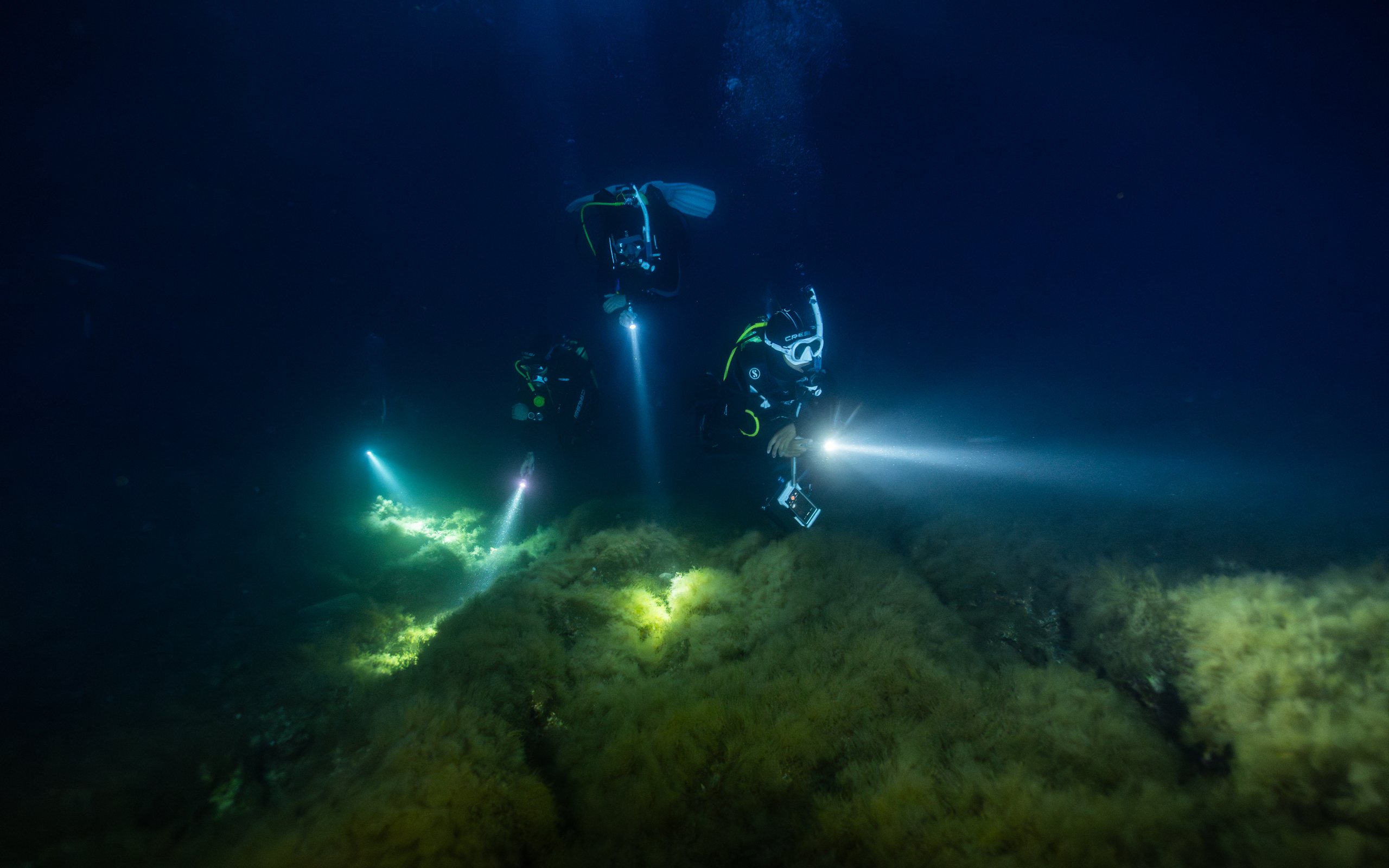
The same water, a different dive.
PADI Night Diver: night diving with a plan

Course description
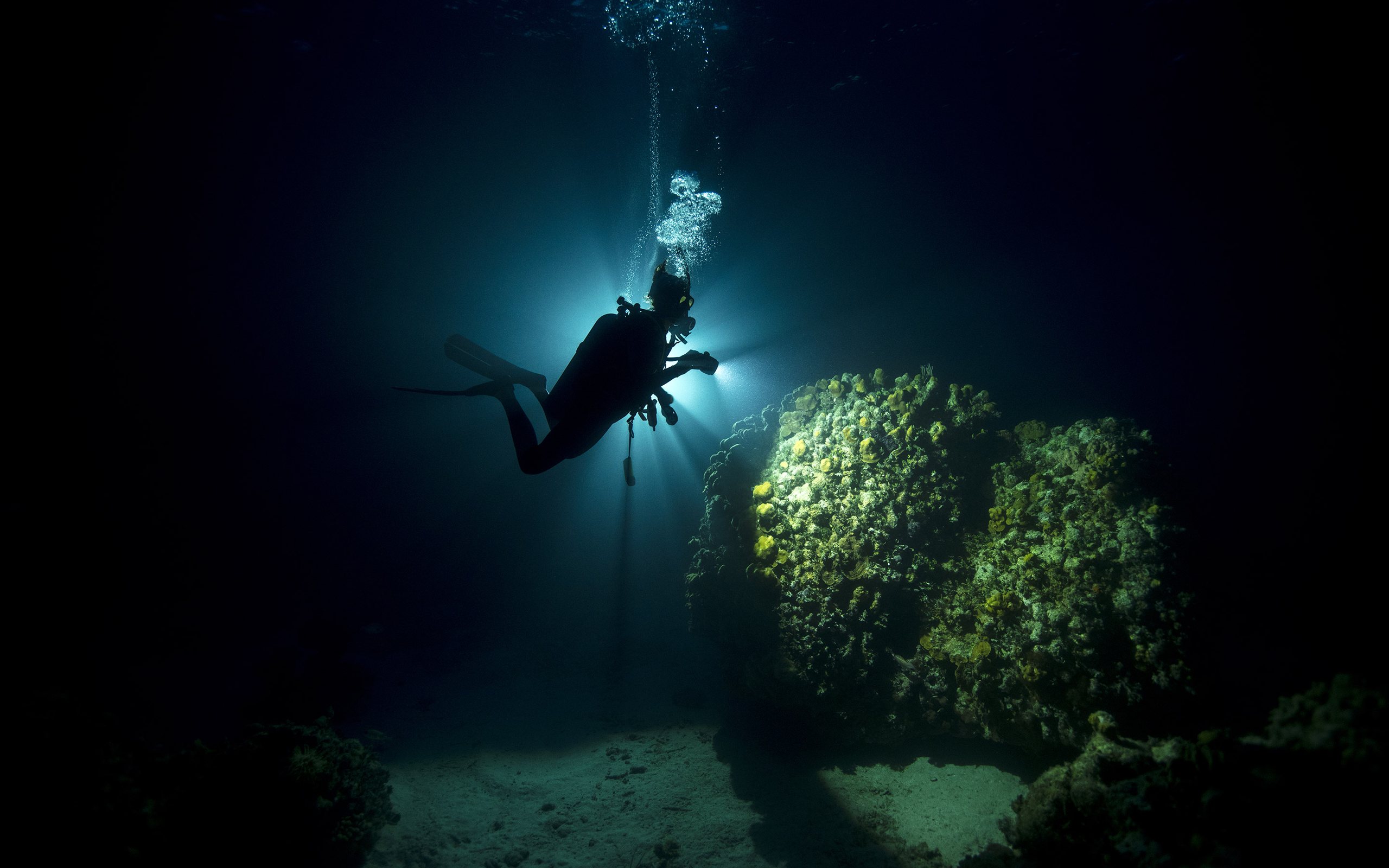
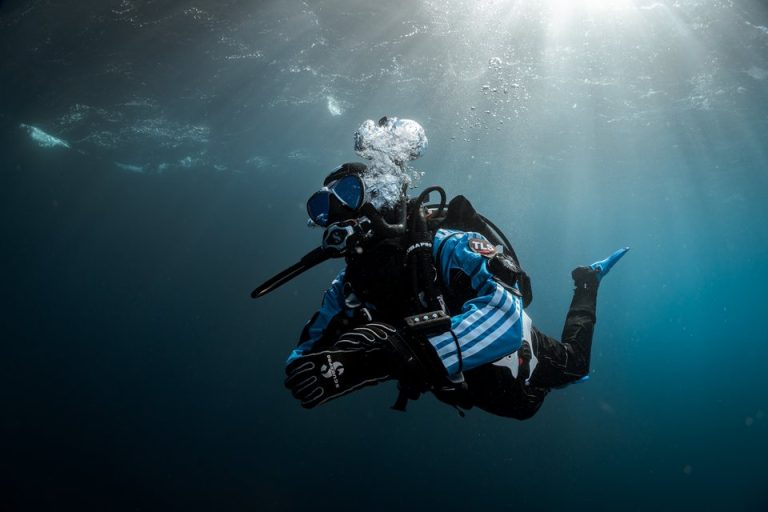
PADI Night Diver teaches you to plan and conduct dives after dark. A familiar site looks completely different at night: your field of view narrows to the beam of a torch, your orientation changes, and animals you cannot see by day appear underwater. The course shows how to keep calm, stay in control and stay in contact with the team in these conditions.
On the course we focus on practical things: choosing and handling a primary and backup torch, light signals, staying in contact with your buddy, navigating in the dark and marking the exit point. We give a lot of attention to buoyancy and trim (the PADI Peak Performance Buoyancy course develops them further), because at night it is easier to miss changes in depth and touch the bottom by accident.
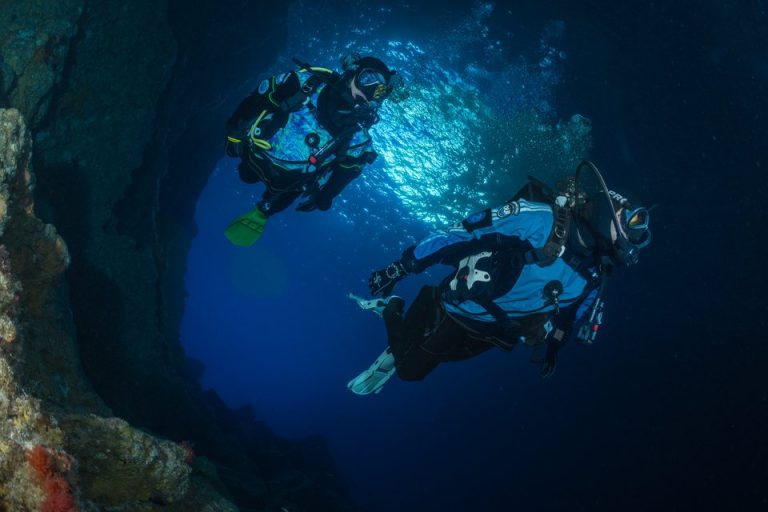
The course also has a technical side. Working with a torch, communicating with light and diving with a limited field of view are basics that return in wreck, cave and technical diving. Anyone who learns to hold a torch steadily and shine it so as not to dazzle their buddy has an easier start on the Cavern, Wreck or Tec Basics courses.
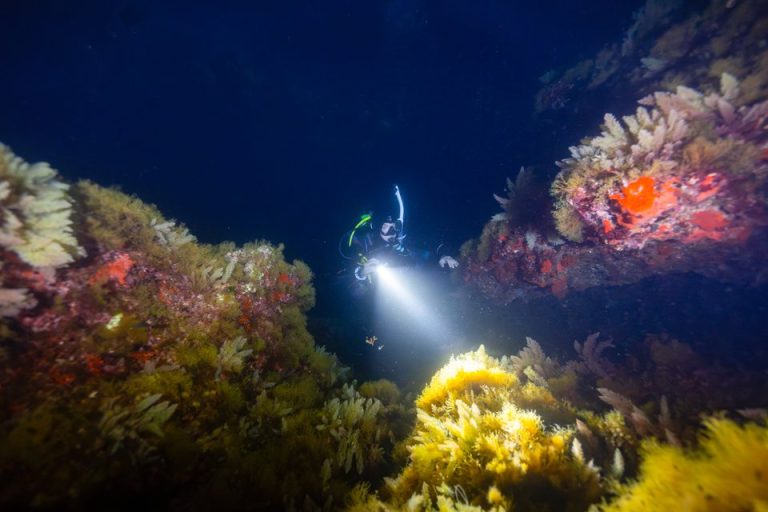
In Poland, night diving starts earlier than you might think: in autumn and winter it is dark by the afternoon, and at depth in lakes and quarries there is half-light even by day. So the course prepares you not only for night dives but for any dive in poor light.

Usually two or three evenings, or one day with an evening series of dives. The theory part and equipment preparation take place before dusk.
Three night dives in open water. The first can start at dusk, so you can get used to the site in the last of the daylight.
Dives are made within the limits of your certification. On the course we choose moderate depths and sites we know well, so that all your attention goes to technique in the dark.
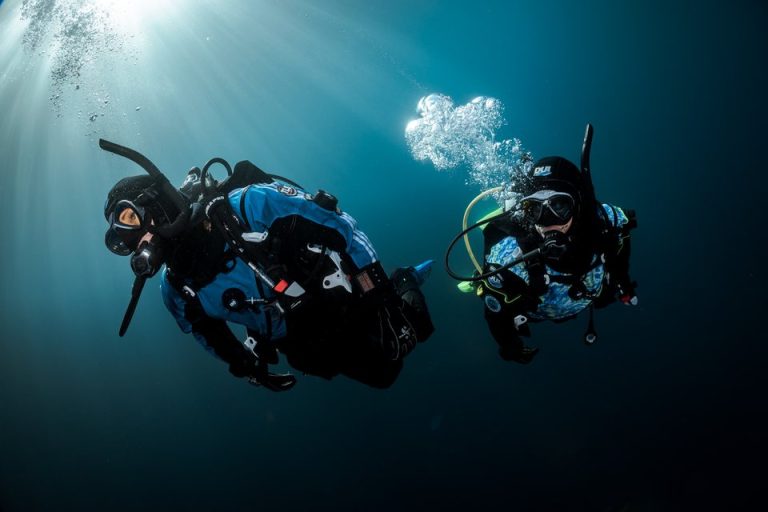
A maximum of 4 students per instructor. At night, keeping control of the group requires closeness, and a small group lets the instructor see each student’s light.
Air or nitrox, if you hold a PADI Enriched Air Diver certification or equivalent.
Skills after the course:
- planning a night dive and choosing a site,
- handling the primary and backup torch,
- communicating with light signals and touch,
- staying in contact with your buddy in the dark,
- compass and natural navigation after dark,
- buoyancy and trim control without a clear point of reference,
- marking the entry point and returning safely to the shore or boat.
- aged 12 or over,
- PADI (Junior) Open Water Diver certification or equivalent,
- good health confirmed by a medical questionnaire and, if needed, a doctor’s certificate,
- stable buoyancy and a few dives after the entry-level course; the more, the more calmly the course goes.
Specialist equipment
- primary torch,
- backup torch,
- marker light (chemical light stick or strobe),
- compass,
- cutting tool.
Standard kit
- wetsuit or dry suit suited to the water temperature,
- jacket or wing with a backplate,
- regulator with a backup second stage,
- dive computer,
- fins, mask, hood and gloves.
We can rent torches. Bring charged batteries and a charger to the course, and check your backup torch before every dive, not only the first one.
Training fee
Price set individually.
Registration and certification fee
According to the current PADI price list.
Additional costs
Equipment rental, gases, entry to dive sites (some sites charge extra for night diving), boat logistics for sea dives, travel and accommodation.
Theory
The theory part covers:
- planning a night dive and assessing the site in daylight,
- torches: types, batteries, redundancy and handling,
- communicating with light and touch within the team,
- orientation and navigation in limited visibility,
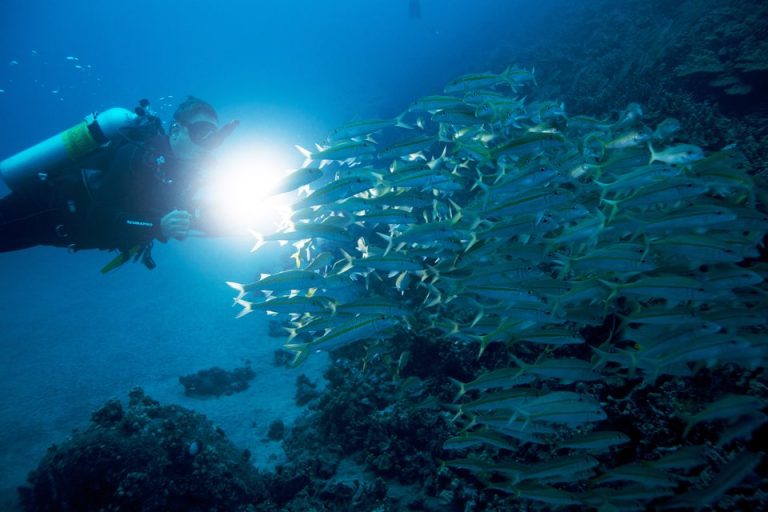
- changes in the behaviour of aquatic animals after dark,
- how darkness affects sensations, stress and the perception of time,
- procedures for a lost buddy and a torch failure.
Practice
Dive 1: dusk dive
- entering the water in the last of the daylight,
- watching the change from day to night,
- light signals and contact with your buddy,
- buoyancy control while holding a torch.
Dive 2: navigation after dark
- compass navigation in the dark,
- returning to a marked starting point,
- practising a primary torch failure.
Dive 3: night dive with wildlife observation
- watching nocturnal life in the water,
- diving as a team to your own plan,
- surfacing and getting out onto the shore or the boat in the dark.
Shine your light where you are looking, not in your buddy’s face. A steadily held torch is the simplest way for the team to know where you are and what you are doing.

FAQ

The next step on your path
- PADI Underwater Navigator: more confident navigation, also in poor visibility,
- PADI Wreck Diver or PADI Cavern Diver: working with a torch in environments with limited light,
- PADI Dry Suit Diver: comfort on long night dives in cold water,
- PADI Tec Basics: communication with light and team discipline at technical level.
The Night Diver course is a good moment to invest in a proper primary torch. The same torch will then serve you on wrecks, in caves and on technical dives.
Trips
- Egypt and night dives on the reef in the Red Sea,
- Malta and Gozo, with easy shore entries after dark,
- Croatia and the night life of the Adriatic,
- Polish lakes and quarries in autumn and winter,
- dive safaris where a night dive is a regular part of the programme.
Torch batteries taken on a plane must go in your hand luggage. Check the airline’s rules on their capacity beforehand.