


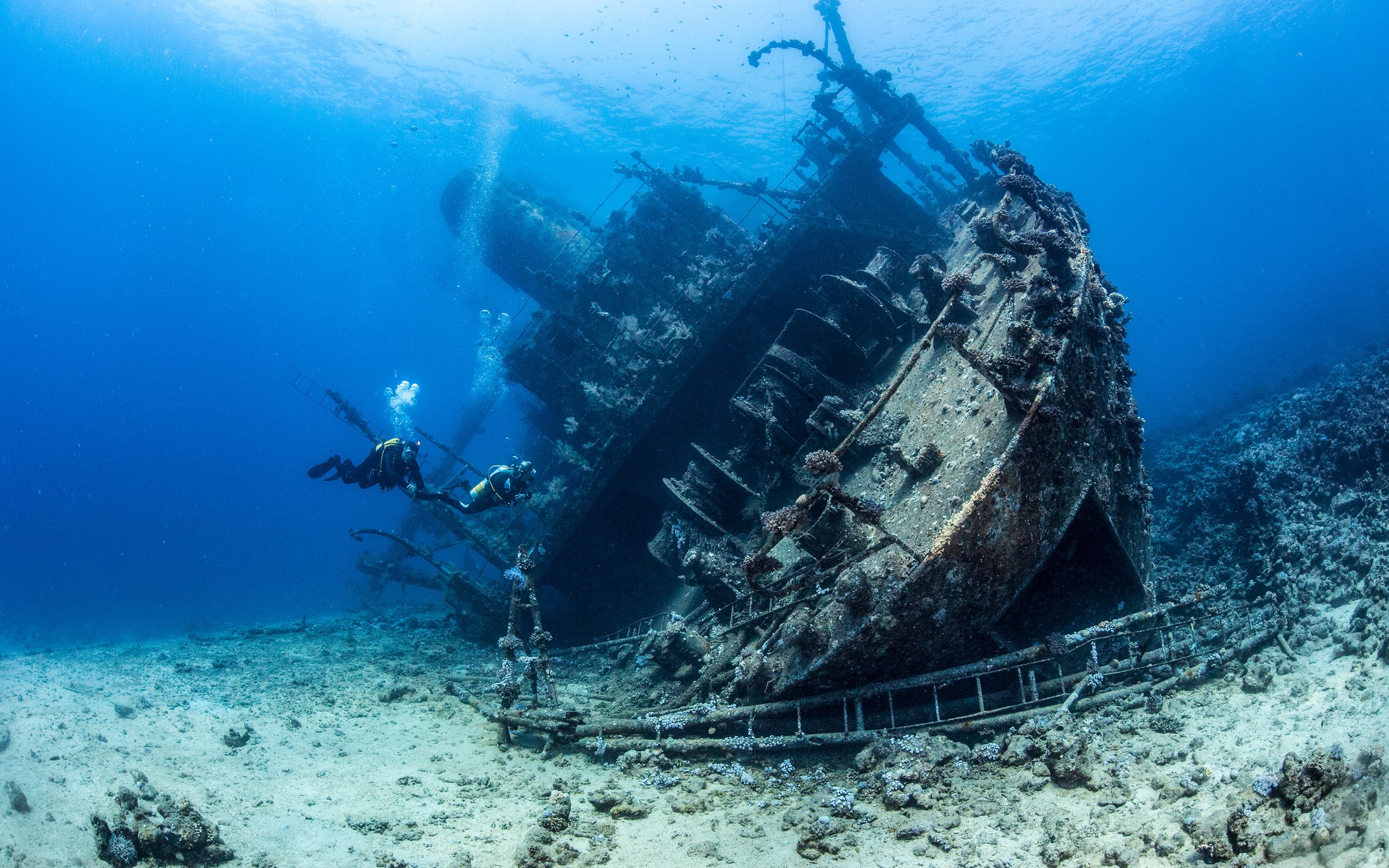
More control underwater
PADI Advanced Open Water Diver: developing diving skills

Course description
PADI Advanced Open Water Diver is the next stage after the entry level: a course that widens the range of your dives and builds experience in new conditions. It is the point where diving becomes more deliberate and controlled.
The programme is built on task-based dives. Two are mandatory: the deep dive and underwater navigation. We choose the other three together, based on the environment you dive in and the direction you want to develop. The options include night diving, wreck diving, buoyancy improvement, dry suit or nitrox, among others.
It is worth knowing that the course has no theory exam and in practice consists mainly of dives. You learn in the water, with a briefing before and a debrief after every descent. For many people after the entry-level course, this is the most enjoyable stage of the whole recreational path.
The aim is to develop the skills gained at the entry level and prepare you for more demanding dives, with more confidence, control and understanding of what happens underwater.

2-3 training days, depending on how the dives are organised and which specialties are chosen. Often spread over several days to help the skills sink in.
5 open water dives: two mandatory (deep and navigation) and three of your choice.
Dives down to 30 metres. For divers aged 12-14 a limit of 21 metres applies.
A maximum of 4 students per instructor.
Air. Nitrox is also possible, particularly useful for deep and repetitive dives.
Mandatory: the deep dive and underwater navigation. We choose the other three individually. The most popular in Polish conditions:
- buoyancy improvement (Peak Performance Buoyancy): the biggest single jump in comfort;
- dry suit: it genuinely extends the diving season;
- night diving: a completely different experience at a familiar site;
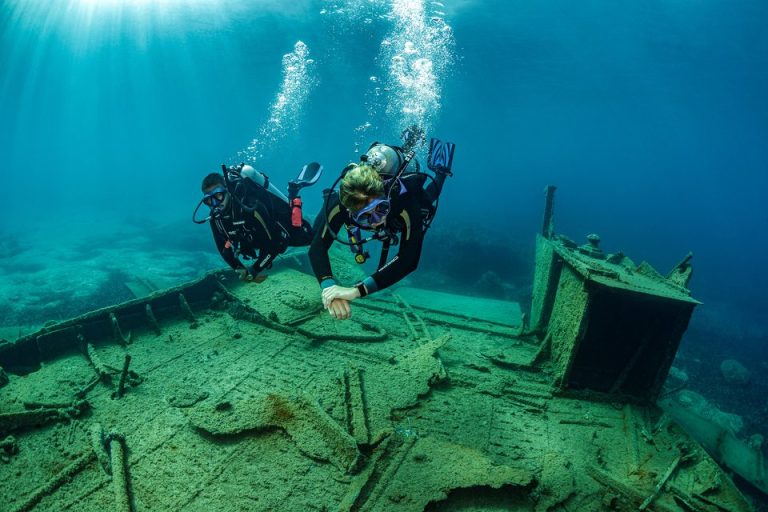
- wreck diving;
- Nitrox: no extra dives, but you can use it right away;
- search and recovery, boat diving, DPV.
Each completed themed dive can be credited towards the full specialty in that area. It is a real saving if you plan to progress through specialties.
- Age: minimum 12 years (up to 14 the certification is Junior Advanced Open Water Diver);
- Certification: PADI Open Water Diver or an equivalent certificate from another organisation;
- Health: no contraindications to diving;
- Experience: no specific number of dives is required, though a few dives after the entry-level course clearly make the start easier.
Basics
- mask, snorkel and fins,
- regulator with a pressure gauge,
- buoyancy control device (BCD),
- diving cylinder and weight system,
- dive computer,
- thermal protection suited to the conditions.
Depending on the chosen dives
- compass: navigation;
- primary and backup torch: night and wreck diving;
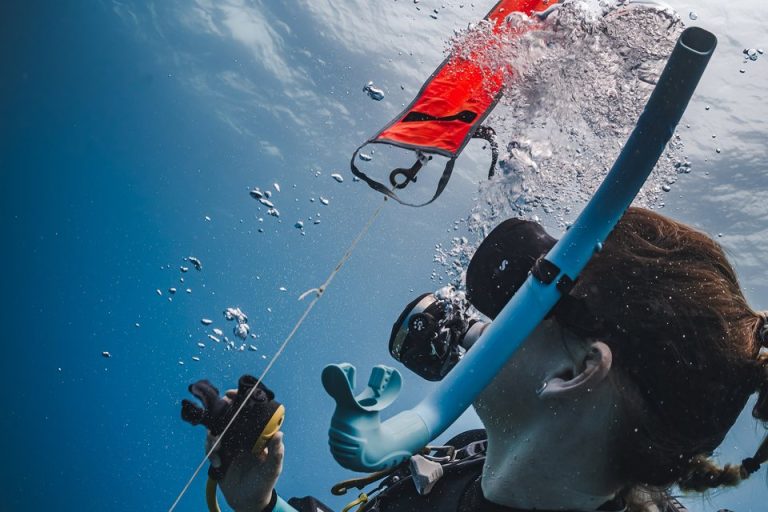
- surface marker buoy (SMB) with a reel;
- dry suit with an undersuit.
We provide specialist equipment as part of the course. At this stage it is worth considering your own dive computer: a device whose settings and dive history should be yours.
Training fee
The price is set individually, depending on the location, logistics and chosen dives.
Registration and certification fee
Training materials and the certification fee, according to the current price list of the certifying organisation.
Additional costs
Equipment rental, breathing gases, site entry fees, travel, accommodation and meals.
Theory
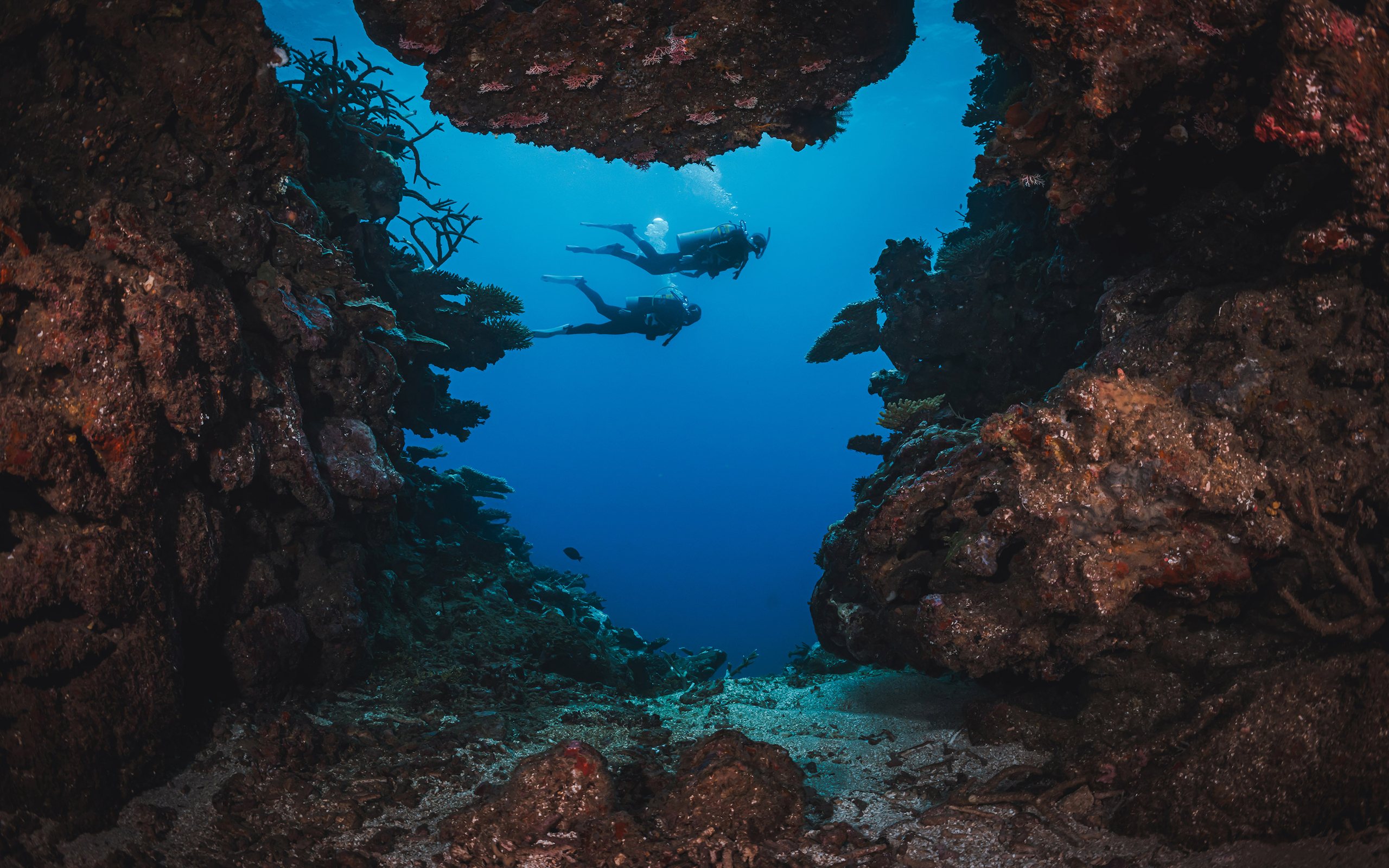
The amount of theory depends on the chosen dives and always relates directly to practice. There is no final exam:
- planning deep dives and the effect of depth on the body;
- nitrogen narcosis: recognition and response;
- underwater navigation: compass, reference points, natural orientation;
- gas management and planning a reserve;
- working in limited visibility and changing conditions;
- topics specific to the chosen themed dives.
Practice
Five task-based dives, each with a specific goal:
- deep dive: planning, time and gas control, observing your own reaction to depth;
- underwater navigation: compass and natural orientation, returning to the starting point;
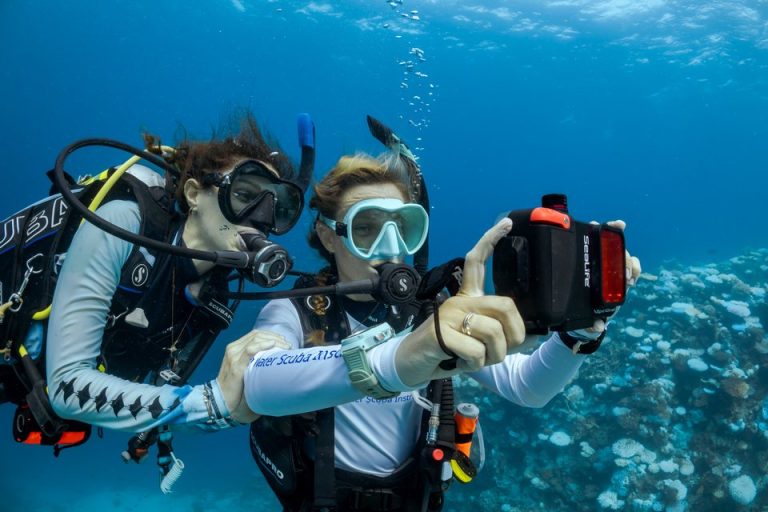
- three themed dives chosen to suit the environment and your goals;
- work on stability and buoyancy control in each of them;
- communication with your buddy and decision-making in changing conditions.
Every dive is preceded by a briefing and ends with a debrief. That conversation after leaving the water gives you the most, more than the descent itself.

FAQ

The next step on your path
Ways to progress after the Advanced course:
- PADI Rescue Diver: the biggest step up in quality on the whole recreational path;
- specialties: deep diving, wreck diving, dry suit diving, nitrox, navigation, buoyancy improvement;
- PADI Master Scuba Diver: after Rescue, five specialties and 50 dives;
- the first technical level, if you feel drawn that way: Advanced is required for it.
If you can only take one course after Advanced, make it Rescue Diver. It changes the way you dive more than any other.
Trips
Trips are the natural place to use your new certification:
- dives on sites deeper than 18 metres (down to 30 m);
- doing the course as a trip, in varied conditions;
- night, wreck and drift dives in places where they make sense;
- working with different buddies and adapting to new conditions;
- combining a trip with another specialty.
Experience gained in several different dive sites is worth more than the same number of dives in one place. We keep the trip calendar separately.