


Qualifications to teach PADI specialty courses
PADI Instructor Specialty Training: Instructor Specialties

Course description
Instructor Specialty Training is a course for PADI instructors that extends their skills to teaching specialty courses. The programme is run by a PADI Course Director and combines formal qualifications with practical preparation for working with divers at different levels of experience.
Specialties let you teach courses that develop specific skills: deep diving, wreck diving, navigation, night diving or nitrox. For an instructor they mean a real training offer, not another line on a profile: each qualification is a specific course that you can sell and teach.
Specialties are also a key element of an instructor’s career. Five Specialty Instructor qualifications are one of the two conditions for the PADI Master Scuba Diver Trainer rating, the other being 25 certifications issued. In practice each drives the other: the more courses you can teach, the faster you collect certifications.

Usually 1-2 days for each instructor specialty, depending on the scope of the course and the training conditions. Several specialties can be completed in one block.
Theory sessions, instructor workshops, preparing your own training programme and, for diving specialties, in-water sessions.
Small instructor groups that allow individual work on your teaching skills.
The training is led by a PADI Course Director.
- Certification: PADI Open Water Scuba Instructor or higher, with active instructor status; alternatively, an IDC or OWSI programme completed within the last 12 months;
- Experience: before applying for a given qualification you usually need at least 10 dives logged in the area of that specialty; you can do them before the workshops, during them or after them;
- Diver certification: some specialties require the relevant certificate at diver level, which applies among others to Enriched Air, Self-Reliant Diver, the equipment specialty and rebreather qualifications;
- Current documents: a current medical statement, first aid training and professional insurance.
Most often chosen for the market
- Enriched Air Nitrox Instructor: the most widely sold specialty, requires a prior diver certificate;
- Deep Diver Instructor: deep diving;
- Wreck Diver Instructor: wreck diving;
- Navigation Instructor: underwater navigation;
- Peak Performance Buoyancy Instructor: perfect buoyancy;
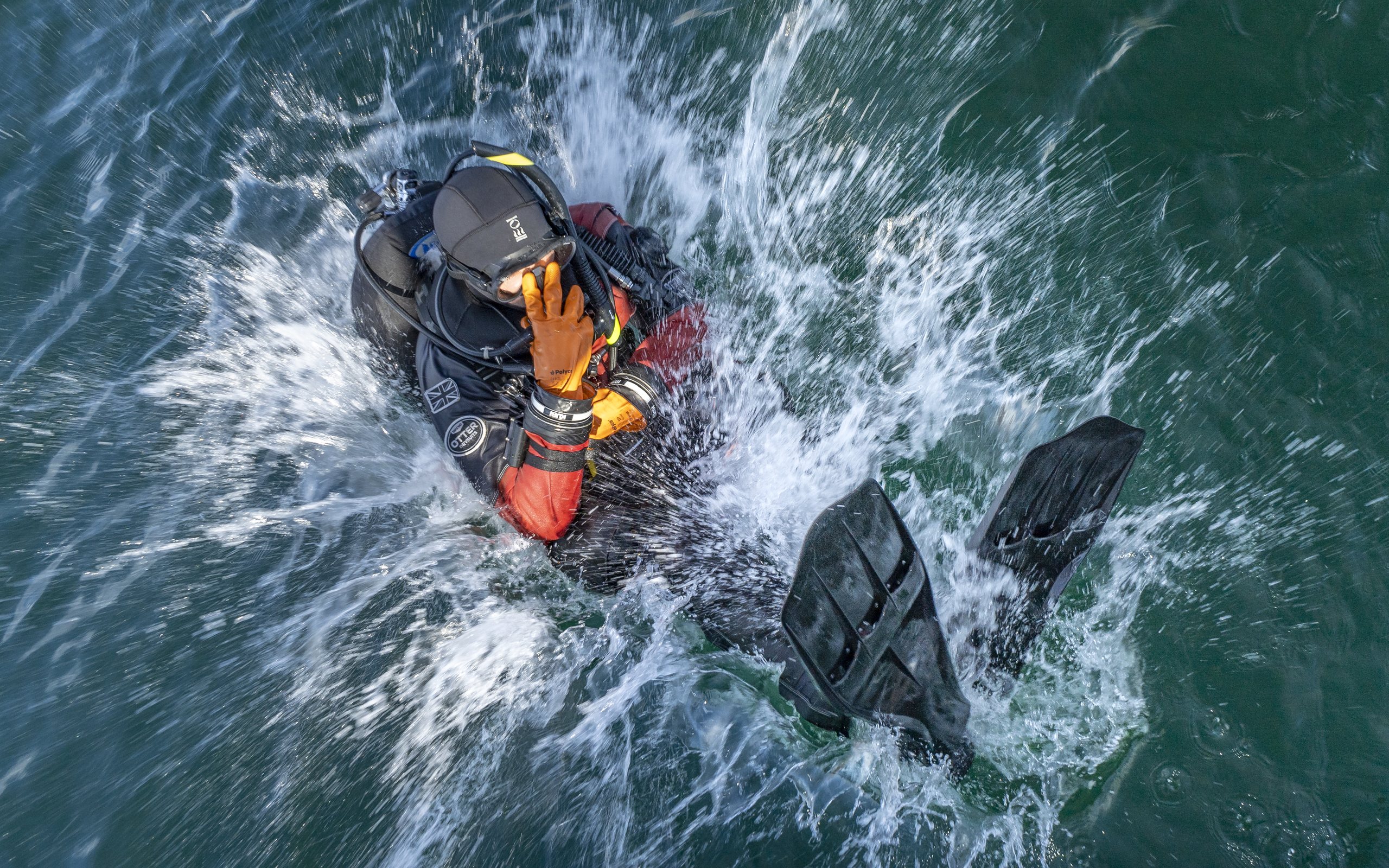
- Dry Suit Instructor: dry suit diving, a particularly strong choice in Polish conditions.
Technical and equipment
- Sidemount Diver Instructor,
- Self-Reliant Diver Instructor: requires a diver certificate and documented experience,
- Equipment Specialist Instructor: requires prior technical training,
- Diver Propulsion Vehicle Instructor,
- Delayed Surface Marker Buoy Instructor,
- Emergency Oxygen Provider Instructor.
Environmental and exploration
- Night Diver Instructor,
- Boat Diver Instructor,
- Drift Diver Instructor,
- Altitude Diver Instructor,
- Multilevel Diver Instructor,
- Search and Recovery Instructor.
Nature, imaging and conservation
- Underwater Naturalist Instructor,
- Fish Identification Instructor,
- Digital Underwater Imaging Instructor (photo and video),
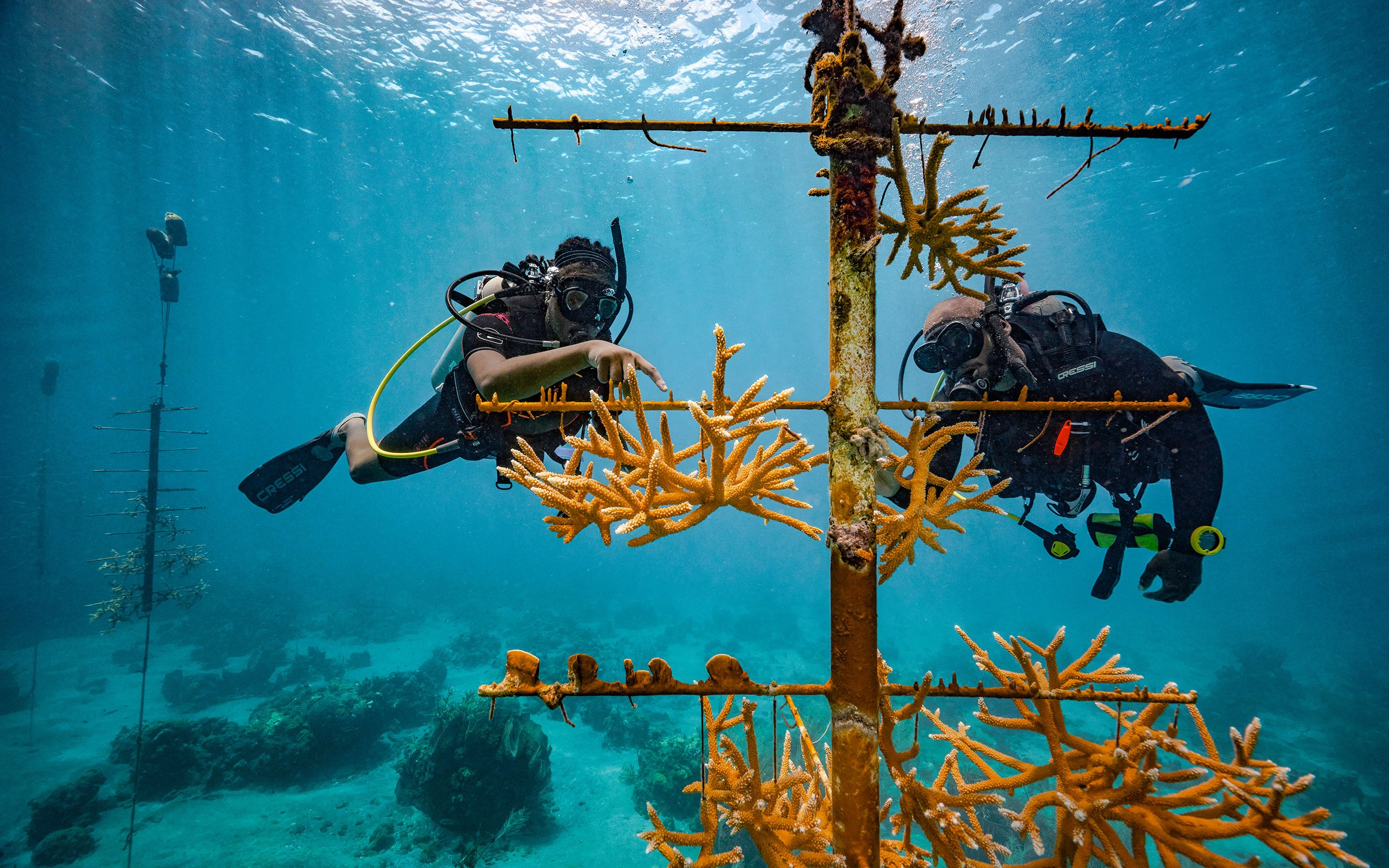
- Coral Reef Conservation Instructor,
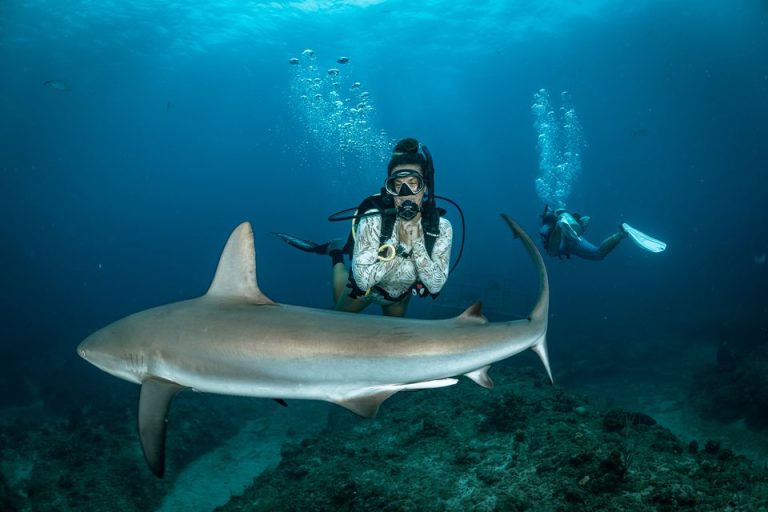
- Project AWARE and Shark Conservation Instructor.
The list is not closed: PADI offers several dozen standard specialties, and there are also distinctive specialties that an experienced instructor can develop for their own working environment.
The equipment depends on the type of specialty. In most cases standard diving equipment is enough, but some courses require additional equipment:
- diving compass: navigation;
- reels and spools and a marker buoy: wrecks, DSMB, search;
- primary and backup torch: night diving;
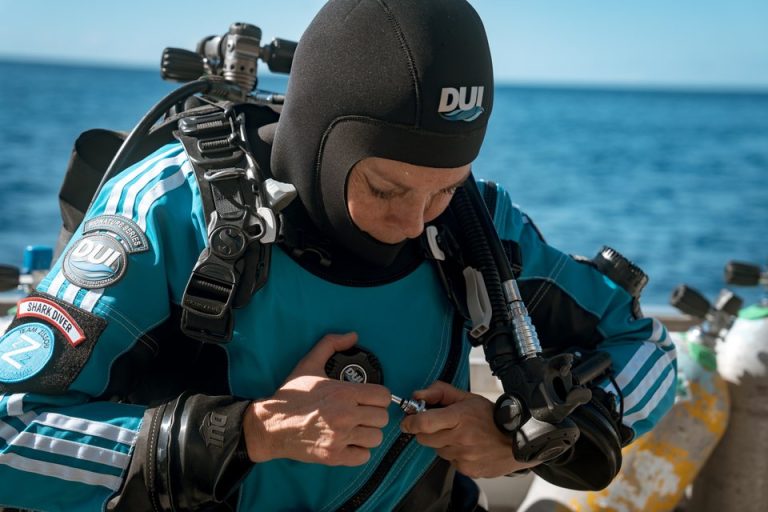
- dry suit with undergarment: Dry Suit;
- oxygen analyser: nitrox;
- photo or video equipment: imaging specialties;
- underwater scooter: DPV.
Instructors also use PADI training materials: course manuals, instructor materials and presentations used during theory sessions. It is worth agreeing before the training what the centre provides and what you need to have yourself.
Training fee
The price depends on the number and type of instructor specialties you complete. Specialties that require dives cost more than those done in a workshop format.
Registration and certification fee
The PADI application fee for each Specialty Instructor qualification, according to the current price list of the certifying organisation.
Training materials
Instructor materials for each specialty and student-level manuals, charged separately.
Additional costs
Breathing gases, diving logistics, hire of specialist equipment, travel, accommodation and meals.
Theory
The theory part focuses on the structure of specialty courses and the rules for teaching them:
- PADI training standards for individual specialties;
- the structure of a specialty course and its place in the student’s development path;
- preparing your own training plan and supporting materials;
- methods of teaching theory and practice in a narrow subject area;
- adapting the programme to the students’ level and the environmental conditions;
- choosing specialties to fit the market and organising the offer within the centre.
Practice
The practical part develops the instructor’s craft in a specific specialty area:
- teaching theory sessions for a chosen specialty;
- presenting and demonstrating exercises underwater;
- organising training dives for specific goals;
- managing a group of students in conditions specific to the given specialty;
- discussing lesson scenarios and problem situations typical of the given area.
The goal is a skill set that lets you teach the course independently from the first day after you earn the qualification, not merely a formal pass.

FAQ
Instructors with several specialties are in higher demand at diving centres and often have more opportunities to work in the diving industry.
Further training
PADI career path after you earn instructor specialties:
- PADI Master Scuba Diver Trainer: after 5 specialties and 25 certifications;
- PADI IDC Staff Instructor: work training future instructors, requires MSDT;
- PADI Tec Instructor: the technical path, for which MSDT is a prerequisite;
- further Specialty Instructor qualifications that extend your offer beyond the required minimum.
It is worth treating specialties as an investment in your offer, not as a stage to tick off. The fifth qualification opens MSDT, but it is usually the sixth and seventh that decide what sets you apart.
Trips
Specialties work best in the field, and that is where certifications grow fastest:
- teaching specialty courses during training trips;
- themed diving camps built around a single specialty;
- seasonal work in Poland and abroad;
- teaching in different environments: different water, different students, different problems;
- building the portfolio of certified divers needed for further career development.
A trip is usually the fastest way to collect certifications: several courses in a week instead of several in a month. We keep the trip calendar separately.
Professional practice
Work in which your new qualifications turn into an offer:
- teaching specialty courses as part of the Long Deco offer;
- building a certification portfolio on the way to the MSDT rating;
- creating your own training programmes and themed workshops;
- teaching specialty courses during trips;
- building recognition in a specific training area.
It is worth planning your first courses in a new specialty soon after the training: your skills straight after the workshops are much better than after a break of several months.