


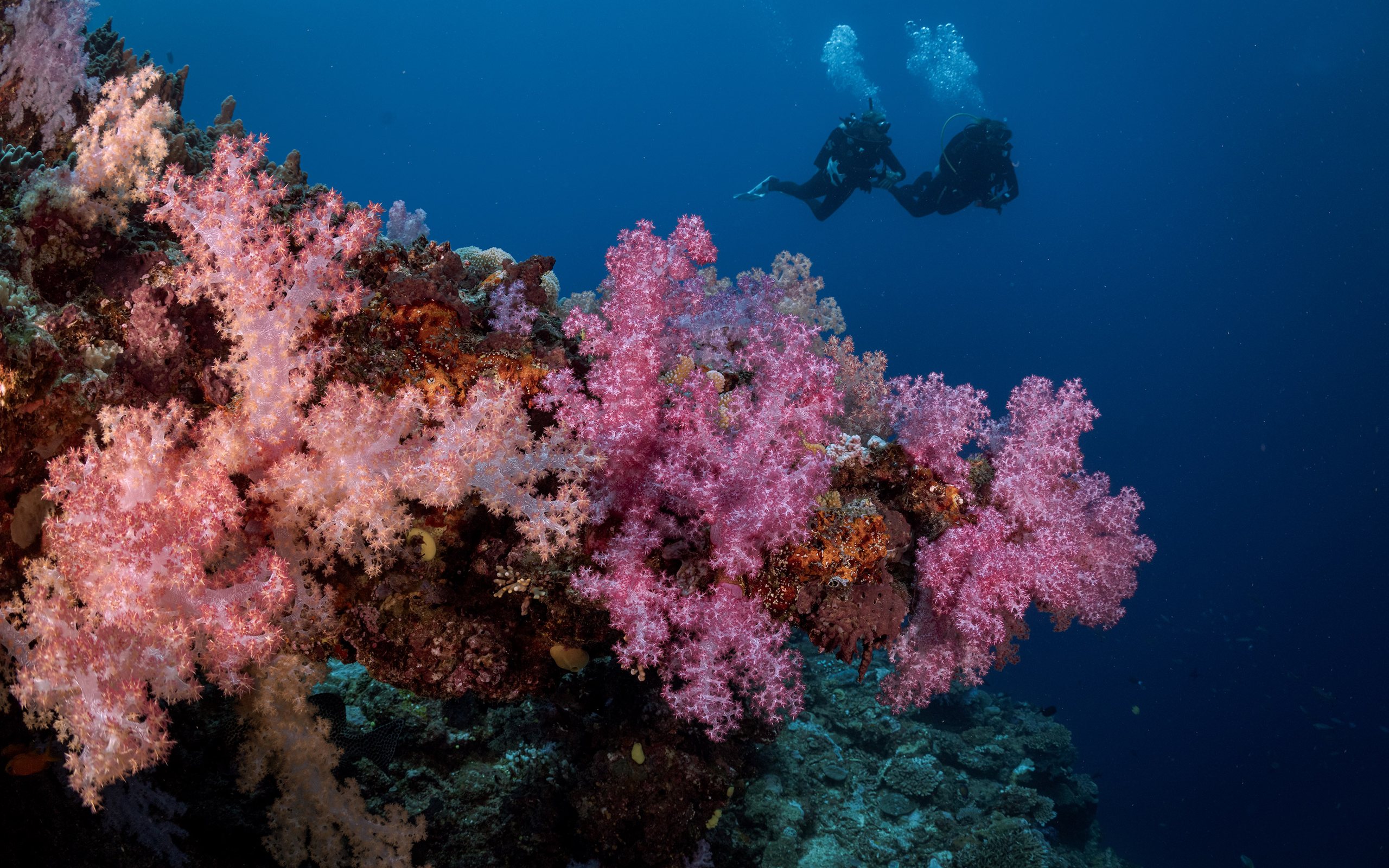
Experience, not luck
PADI Master Scuba Diver: more than a certificate

Course description
PADI Master Scuba Diver is the highest level of recreational diving: a confirmation of experience, consistency and deliberate skill development. It is not a single course but the result of a path built on training and real diving.
You reach the level through successive stages: the entry-level course, Advanced Open Water Diver, Rescue Diver, five specialties and at least 50 dives recorded in your logbook. It is the only recreational level that signing up for a course cannot speed up. It simply requires time spent diving.
Master Scuba Diver means that a diver not only has knowledge and skills but knows how to apply them. At this level control, awareness and repeatable performance become the standard, not the exception.
Variety of experience matters: dives in different conditions, work with different equipment and development through specialties. This certificate says less about the number of courses and more about the fact that diving has stopped being an occasional activity.

The Master Scuba Diver level has no fixed duration, because it is not a single course but the result of long-term development.
The time it takes to reach this level depends on how fast you gain experience, complete further training and log dives. In practice it is a process spread over time, from a few months to a few years.
The Master Scuba Diver level includes no specific training and no required dives of its own.
To earn this level, however, you need at least 50 dives recorded in your logbook, which confirm the experience gained during earlier courses and your own diving activity.
The Master Scuba Diver level includes no classes or training, so the idea of group size does not apply here.
It is a status awarded individually, based on meeting specific requirements and confirmed diving experience.
The certificate grants no new diving privileges, as these come from the certifications you hold. What it does confirm is something a single course cannot:
- a completed full training path in recreational diving,
- rescue skills at the Rescue Diver level,
- experience in at least five different specialty areas,
- documented diving practice, not only training.
In practice this certificate is also recognised in dive centres around the world. It is sometimes taken as a sign that you can plan a more demanding dive with such a diver.
The Master Scuba Diver level does not refer to a specific breathing gas, because it is not practical training.
The gas used depends on the specialties earned and the diver’s experience. It can include both air and nitrox, depending on the kind of dives being done.
The Master Scuba Diver level does not specify a particular equipment set, because it is not practical training.
The equipment you need depends on the kind of dives you do and the specialties you have earned. At this stage the key is choosing and configuring your equipment deliberately for the environment, and keeping a high level of control and order in your configuration.
Certification fee
The certificate does not include training. The fee covers only processing the application and issuing the certificate, according to the current price list of the certifying organisation.
Cost of earlier stages
The real cost is spread across the courses leading to this level: Advanced Open Water Diver, Rescue Diver and five specialties. It is worth planning this as a seasonal budget, not a one-off expense.
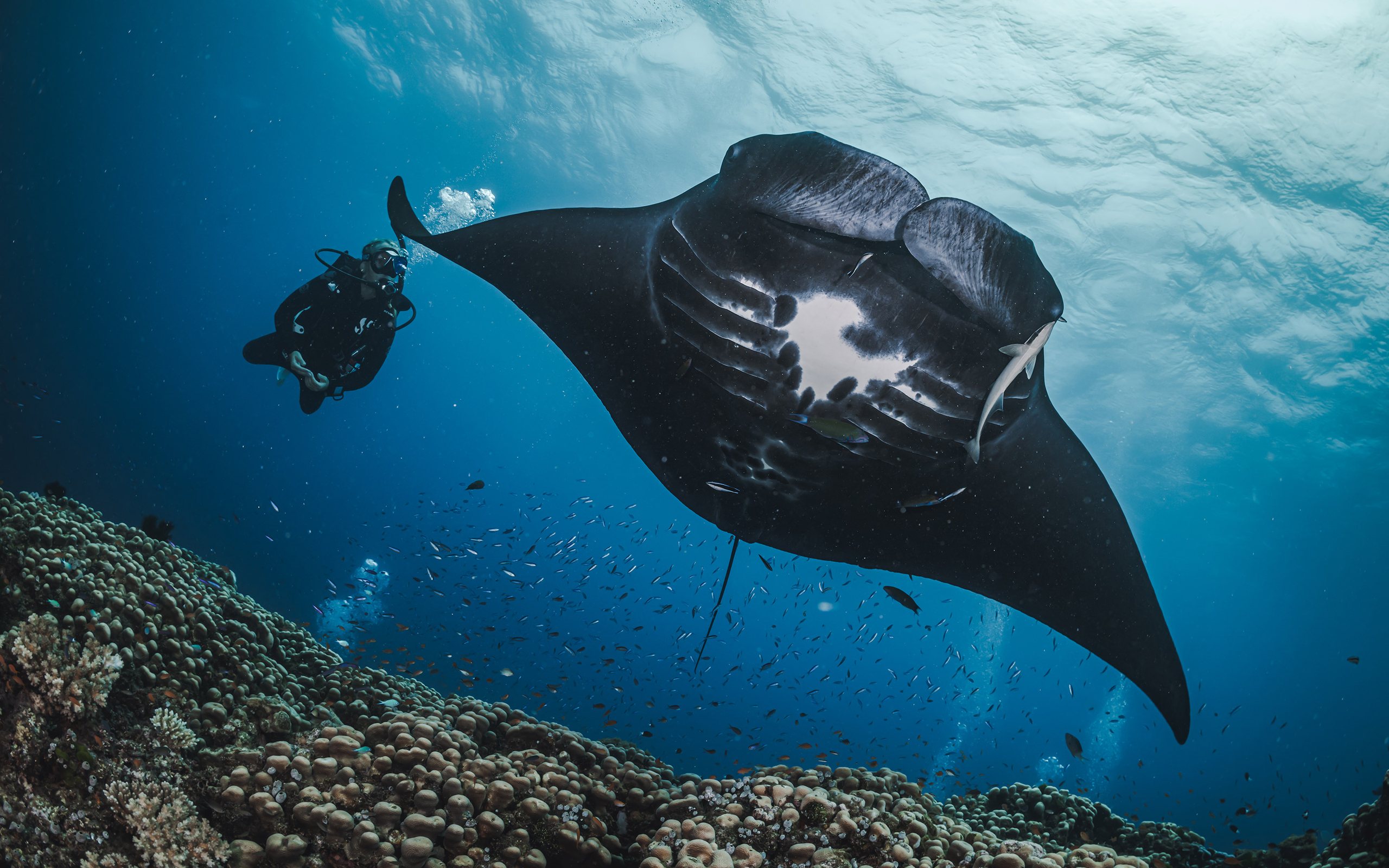
Theory
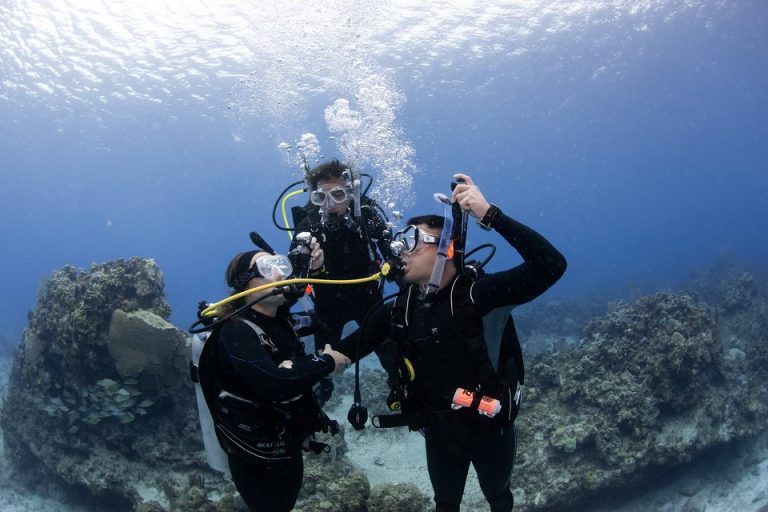
This level has no separate theory part, because it is not a stand-alone course. Knowledge is built up in stages: through the entry-level course, Advanced, Rescue and the specialties.
Together, these experiences build an understanding of the diving environment, planning, risk management and working with different equipment. At this level theory stops being a separate element and becomes a natural part of how you plan a dive.
Practice
There is no separate practical part. Skills develop gradually: through courses, specialties and dives of your own. It is the variety of conditions that builds real control and repeatable performance.
At this level, practice is not about performing exercises but about using your skills deliberately on real dives, even when nobody is assessing you.
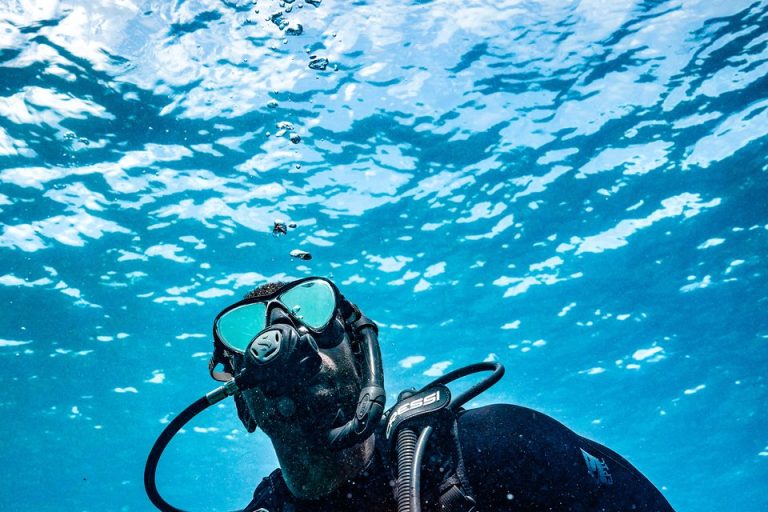
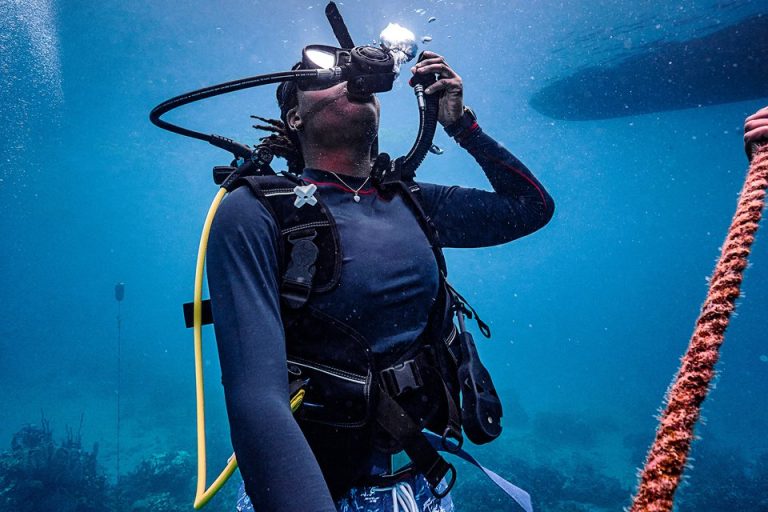
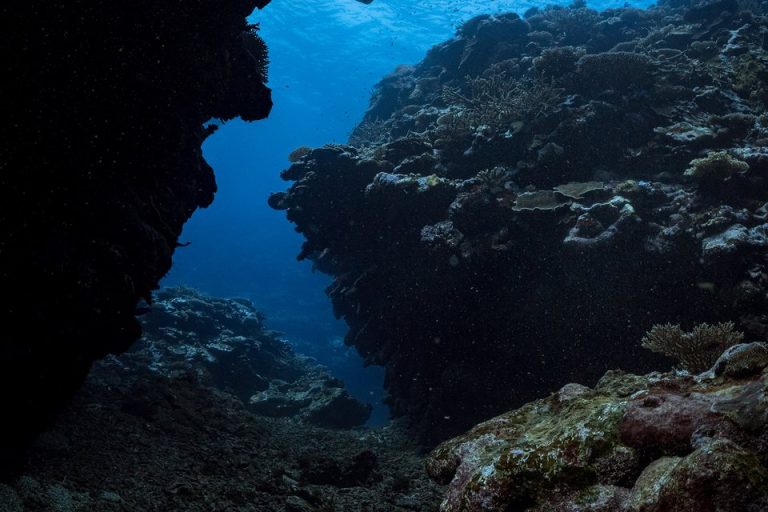
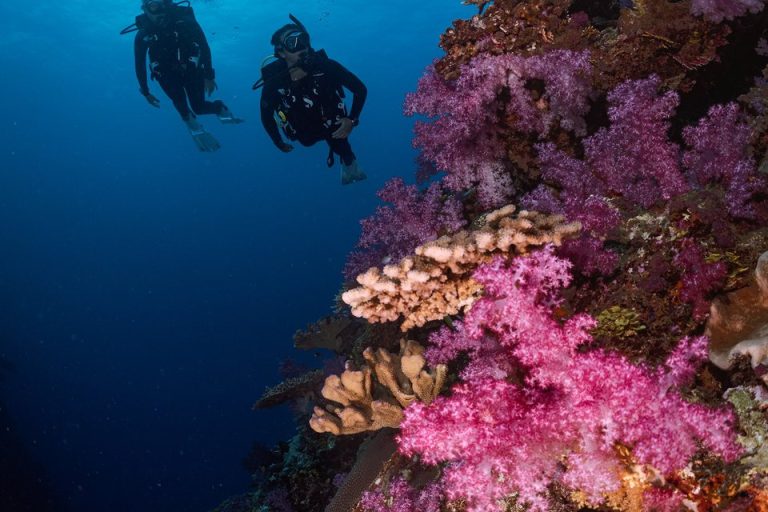

FAQ

The next step on your path
The main directions to choose between at this level:
- PADI Divemaster: the first professional level, working with people and taking responsibility for a group;
- PADI Tec Basics and Tec 40: the entry into technical and decompression diving;
- further specialties that develop a specific area of interest;
- DAN courses: medical and rescue skills for the diving environment.
If you hesitate between the professional path and the technical one: the first is about working with people, the second about working with procedures. Both take time, but they answer completely different motivations.
Trips
At this level, trips stop being occasional diving:
- exploring new locations and varied environments;
- dives that demand adaptation: current, limited visibility, cold water;
- taking part in projects and themed trips;
- working with different teams and configurations;
- supporting less experienced participants on the trip.
It is the variety of trips that builds the experience behind this level. We keep the trip calendar separately.