


The start of the PADI professional path
PADI Divemaster (DM): dive guide

Course description
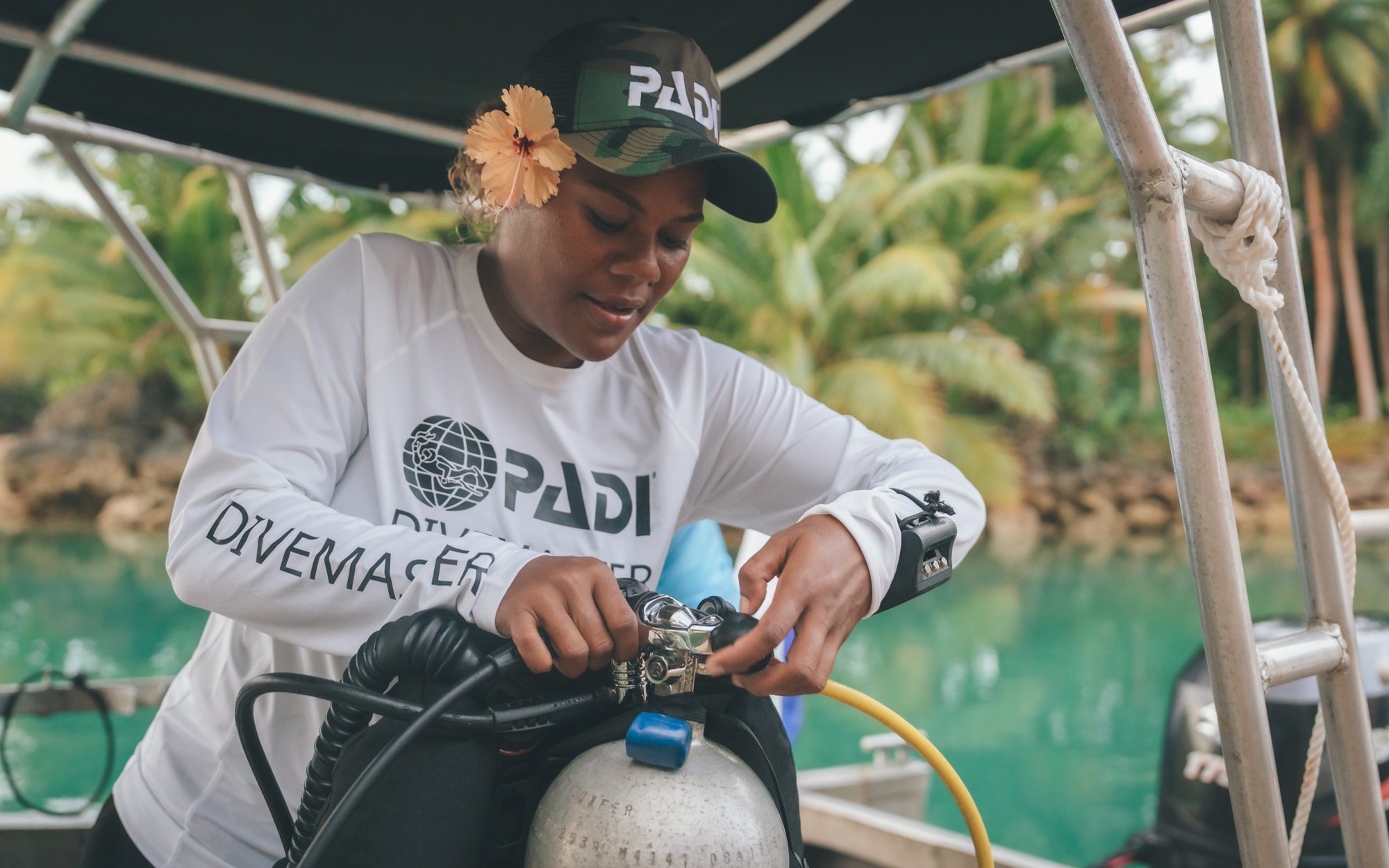
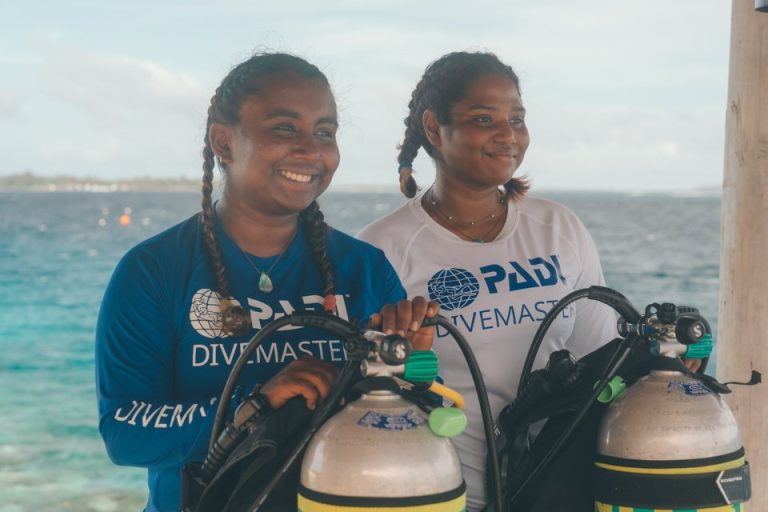
PADI Divemaster is the first professional level in the PADI system and the point where diving stops being only a hobby. It is the move from taking part in a dive to being responsible for other people, and this change, not further skills in the water, is the heart of the course.
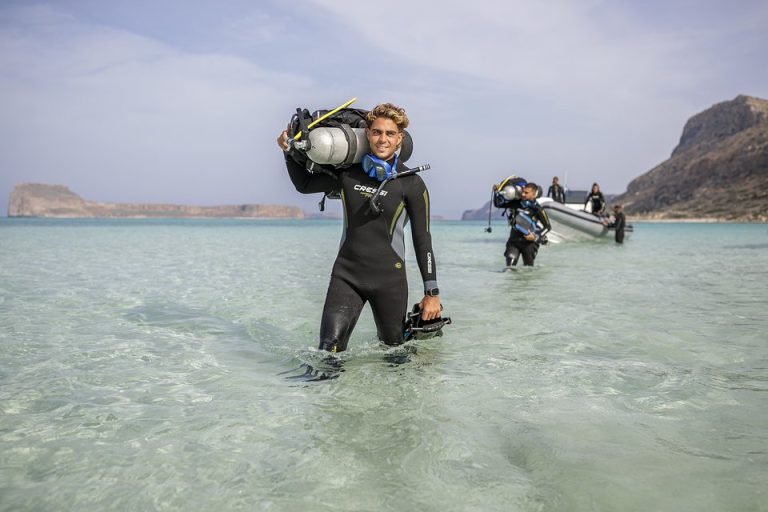
The training concentrates on organising dives, supervising a group and supporting the training process. Students learn to plan dives, lead briefings, assess conditions and, the hardest part, anticipate the behaviour of other divers before it becomes a problem.
An important part of the course is developing communication and leadership skills. A Divemaster has to be able to tell the group clearly what will happen, stay calm when the plan falls apart, and keep authority without raising their voice. Good diving technique cannot make up for these things.
The aim of the training is to prepare you for real work in the diving environment, in line with PADI standards and the realities of running a centre day to day. The course is also a mandatory stage before entering the instructor path.

Individual: from a dozen or so days to several weeks, depending on the format (intensive or modular) and the student’s availability.
Theory, practical workshops, exercises in the water, practical dives and assistant practice on real courses.
A professional course focused on responsibility, working with people, and the organisation and safety of dives.
Small training groups or individual mode, which allows ongoing assessment of competence.
- Age: 18 years old;
- Certification: PADI Advanced Open Water Diver and PADI Rescue Diver, or equivalent certifications from another organisation;
- First aid: completed first aid and CPR training (EFR Primary & Secondary Care or equivalent) within the last 24 months;
- Experience: a minimum of 40 logged dives at the start of the course, a minimum of 60 for certification;
- Health: a current medical statement (signed by a doctor within the last 12 months).
A Divemaster carries real responsibility for the safety of the divers they work with. The course clearly defines the scope of authority, the limits of responsibility and the duty to work according to standards and procedures.
This is the stage where professionalism stops being a declaration. Deciding to call off a dive, talking to a client who overrates their abilities, or stopping a group’s descent are everyday parts of this role, not exceptional situations.
Training fee
The price is set individually, depending on where the course takes place and the logistics.
Registration and certification fee
PADI training materials and registration and certification fees, according to the current price list of the certifying organisation.
Additional costs
Pool, breathing gases, travel, accommodation, insurance and any local fees.
Costs after the course
Working as a Divemaster requires active PADI membership, renewed every year, and professional insurance. It is worth including this in your budget from the start.

Scope of competence after the course
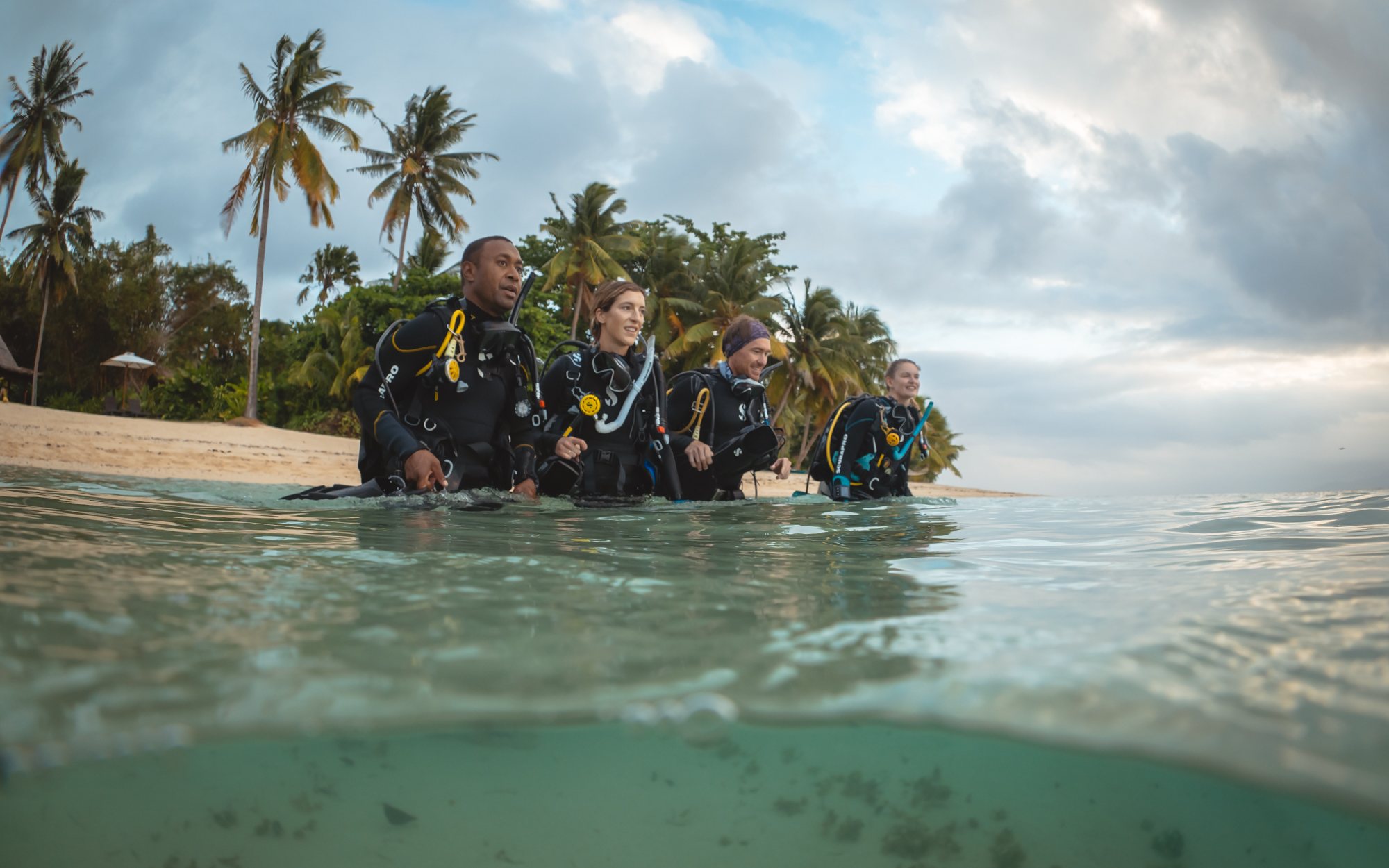
PADI Divemaster certification qualifies you to:
- supervise certified divers and organise and lead recreational dives,
- assist instructors during certification courses,
- independently teach selected PADI programmes, within the scope set by the standards,
- work in a dive centre, at a base and on dive trips.
A Divemaster is not an instructor and cannot independently teach certification courses. The course makes this distinction very clear, because the scope of legal responsibility depends on it.
Theory
The theory part concentrates on practical use of knowledge, not on academic topics:
- diving physics and physiology, at a level that lets you answer a student’s question, not just pass an exam;
- risk management and dive safety;
- PADI standards and procedures and how to interpret them in everyday work;
- organising dives and courses, logistics and documentation;
- the Divemaster’s role in the structure of a dive centre and the limits of their responsibility;
- dive planning, assessing conditions and making the decision to call a dive off.
Practice
The practical part covers work in the water and work with people, in roughly equal proportions:
- diving skills at demonstration level, meaning performed slowly, clearly and in a way that others can copy;
- fitness tests and stamina exercises in line with the standard;
- leading briefings and debriefings;
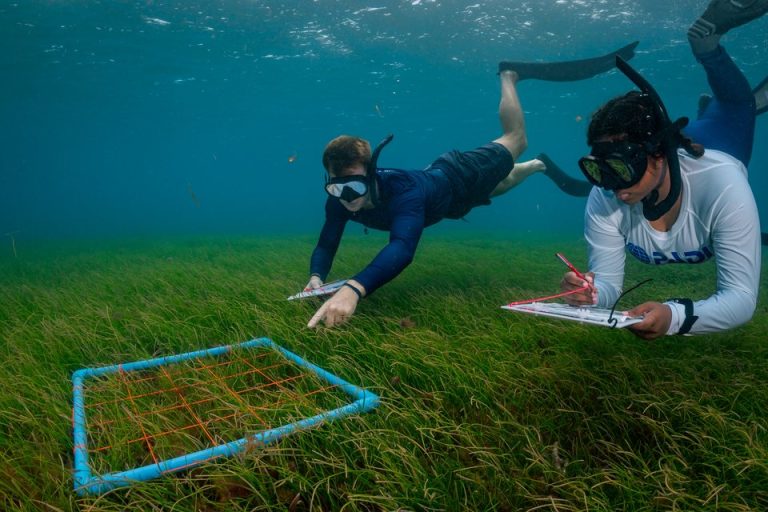
- mapping a dive site and preparing a dive plan for a group;
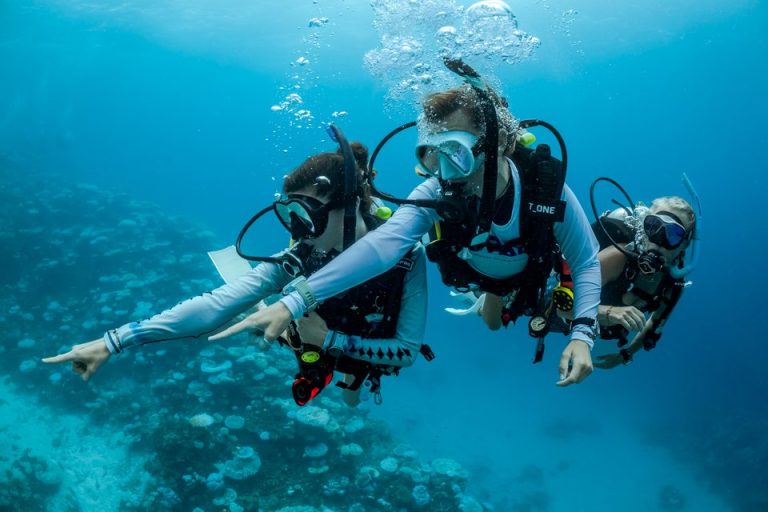
- leading and supervising certified divers;
- assisting on real recreational courses;
- emergency simulations and managing a problem within a group.

FAQ
Professional practice
Real work, where the competence from the course turns into experience:
- assisting on recreational courses run at Long Deco;
- leading dives for certified divers and trip groups;
- organisational and logistical support for courses and projects;
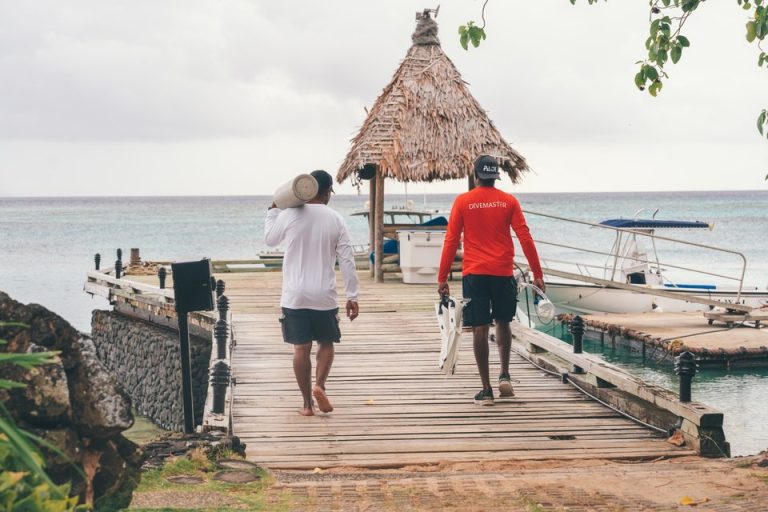
- looking after the centre’s equipment and technical facilities;
- taking part in internship programmes for new professionals.
We match the tasks to your experience and pace of work. The first season after the course is the most important one, because it decides whether the certificate turns into a career.
Trips
Going on a trip as staff is the fastest way to build professional experience:
- taking part in Long Deco trips as support for the staff;
- leading groups of certified divers at well-known dive sites;
- internships and placements at partner centres in Poland and abroad;
- seasonal work, the most common first form of employment after the course;
- logistical support for technical and project trips.
Seasonal work abroad usually requires active PADI membership, professional insurance and current first aid training. We keep the trip calendar separately.