


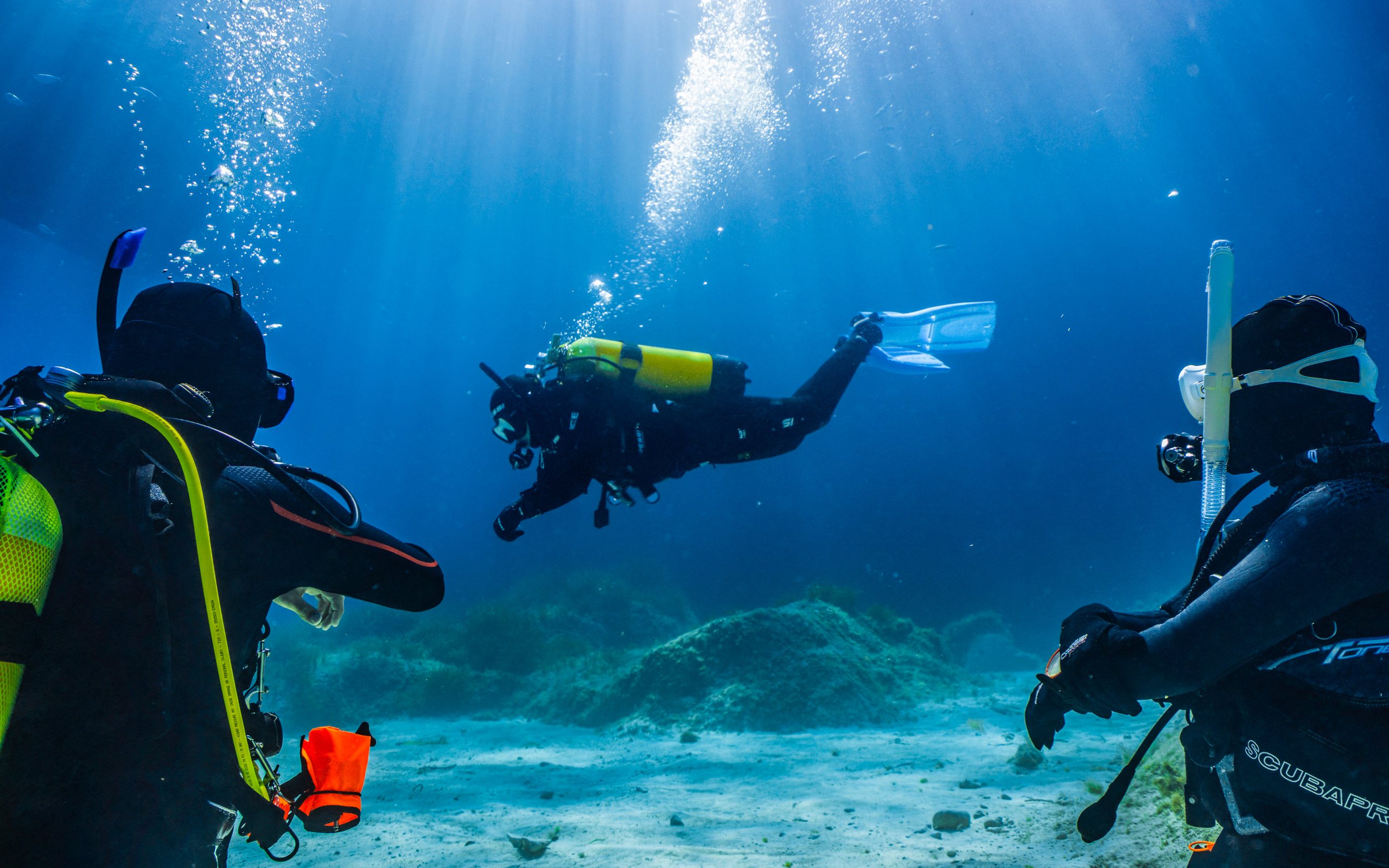
The first step to becoming a PADI instructor
PADI Assistant Instructor (AI): more than an assistant

Course description
PADI Assistant Instructor is the first instructor level and the move from the role of Divemaster to active teaching work. The perspective changes: from your own skills to the process of teaching others. These are two quite different competences, and the course makes this clear very quickly.
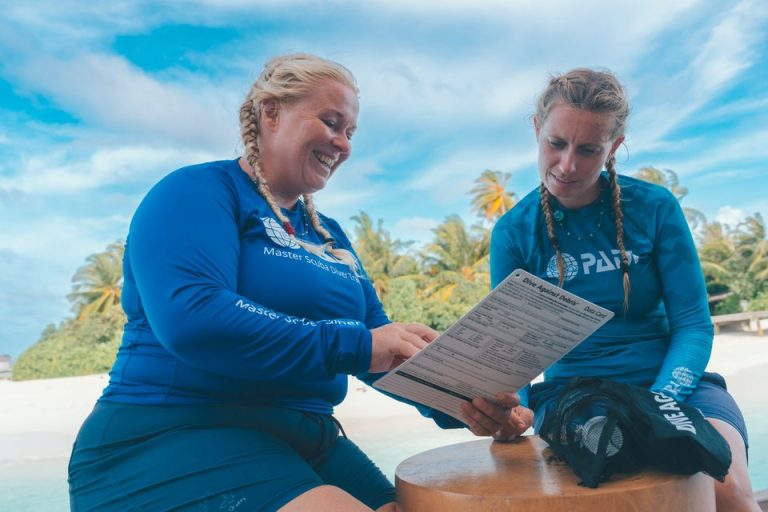
The training focuses on teaching methods, lesson planning, giving presentations and assessing students’ skills. Participants learn to turn PADI standards into practical action: clear communication, a structured session and effective error correction without causing stress.
Formally, the AI course is the first part of the Instructor Development Course (IDC). You can complete it as a separate, self-contained stage and start teaching, or continue straight on to the OWSI part and take the instructor exam.
An Assistant Instructor is not yet a full instructor, but has concrete teaching competences and begins to take real responsibility for the training process.

Usually 5-7 training days, depending on the format (continuous or modular) and the pace of the group.
Theory, teaching workshops, instructor presentations, confined water sessions and assisting on real courses.
An instructor course focused on teaching, communication, assessing students and teaching responsibility.
Small training groups or individual mode, allowing ongoing assessment of competence.
An Assistant Instructor takes real teaching responsibility, but works within the framework and under the supervision of an instructor. The course clearly sets out the scope of privileges, the limits of independence and the duty to work in line with the standards.
In practice this is the stage where you learn to say “once more, slower” instead of “almost right”, and to recognise when a student needs a break, not another repetition.
- Age: 18 years completed;
- Certification: PADI Divemaster or an equivalent certification from another organisation;
- Diving experience: certified diver status for at least 6 months;
- First aid: completed first aid and CPR training (EFR Primary & Secondary Care or equivalent) within the last 24 months;
- Experience: at least 60 dives recorded in a logbook;
- Health: a current medical statement (signed by a doctor within the last 12 months);
- Insurance: current diving insurance.
If you plan to continue to full instructor privileges, it is worth planning the PADI EFR Instructor course already at this stage: it is required for OWSI certification and is often done alongside the instructor training.
Training fee
The price is set individually, depending on where the course is held, the training format and logistics.
Registration and certification fee
PADI training materials (the IDC Crew-Pak) and registration and certification fees, according to the current price list of the certifying organisation.
Additional costs
Pool, breathing gases, travel, accommodation, insurance and any local fees.
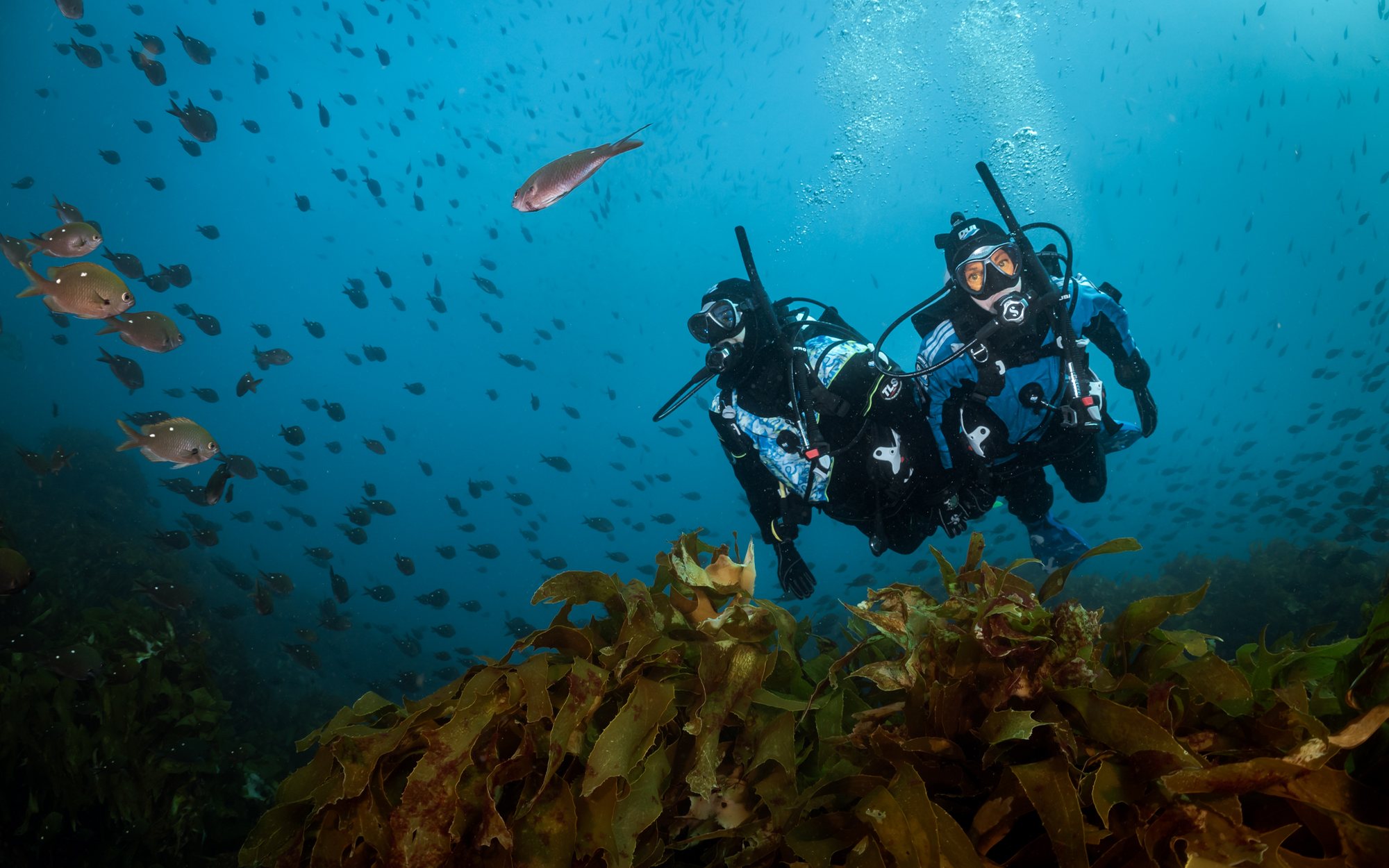

Scope of competence after the course
The PADI Assistant Instructor certification entitles you to:
- give theory presentations under indirect instructor supervision,
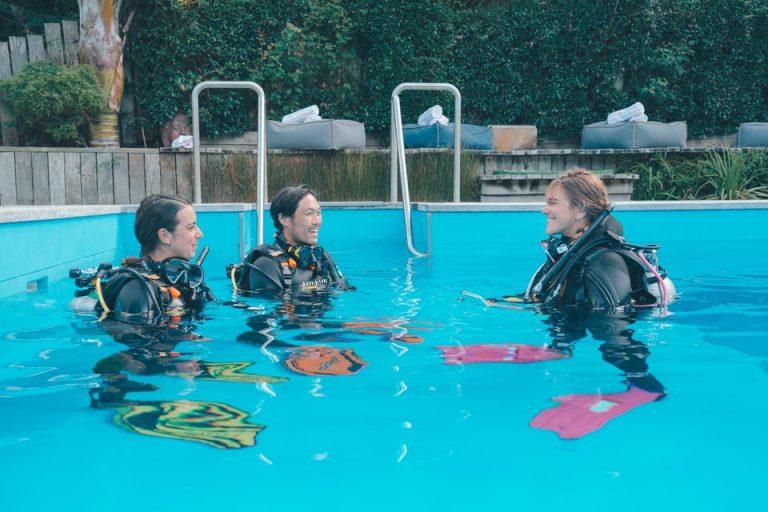
- run and assess exercises in confined water,
- assess the surface skills of Open Water Diver students,
- run selected PADI programmes independently, within the scope set by the standards,
- assist actively on certification courses.
An Assistant Instructor cannot independently run full certification courses or issue certifications.
Theory
The theory part is didactic rather than academic: every block translates directly into what you do in front of a group:
- PADI standards and procedures and how to interpret them in teaching practice;
- methods of teaching adults: how people learn and why repetition is not enough;
- the structure of recreational courses and the logic of the PADI educational system;
- building a presentation: goal, sequence, checking understanding;
- assessing a student’s progress and the criteria for passing a skill;
- the responsibility of the instructor and the assistant, including legal and insurance matters.
Practice
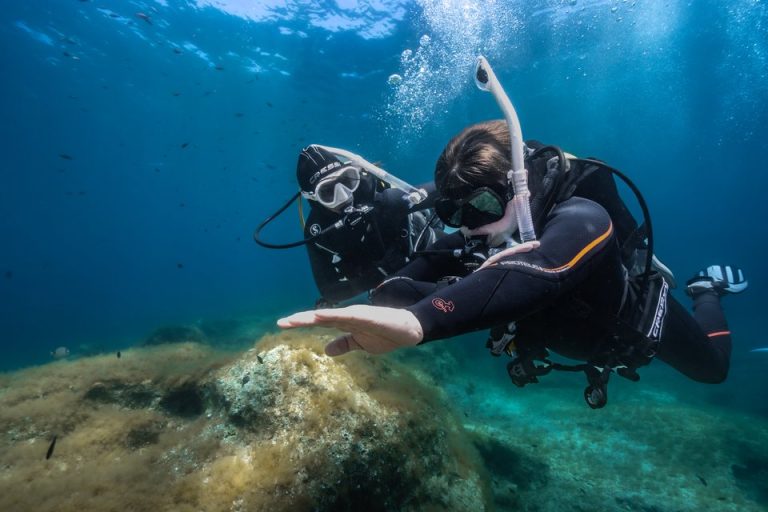
Practical sessions are mostly work in front of a group and in the water with a student:
- giving theory presentations with assessment and feedback;
- demonstrating skills at instructor level: slowly, clearly, broken into stages;
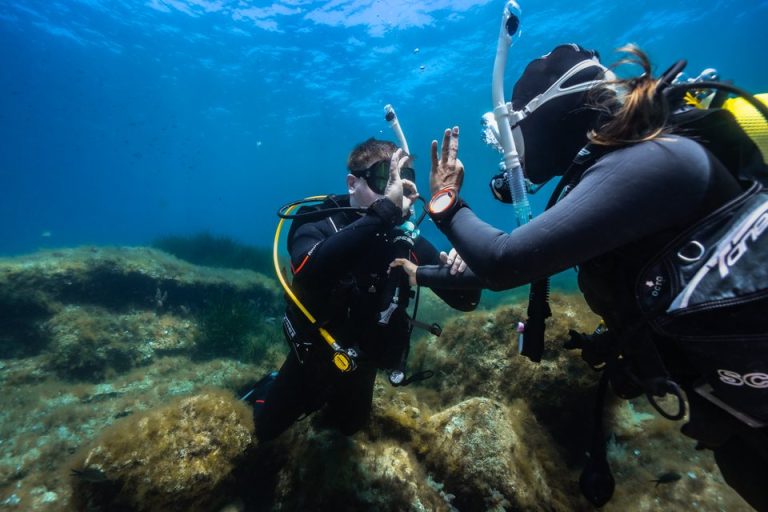
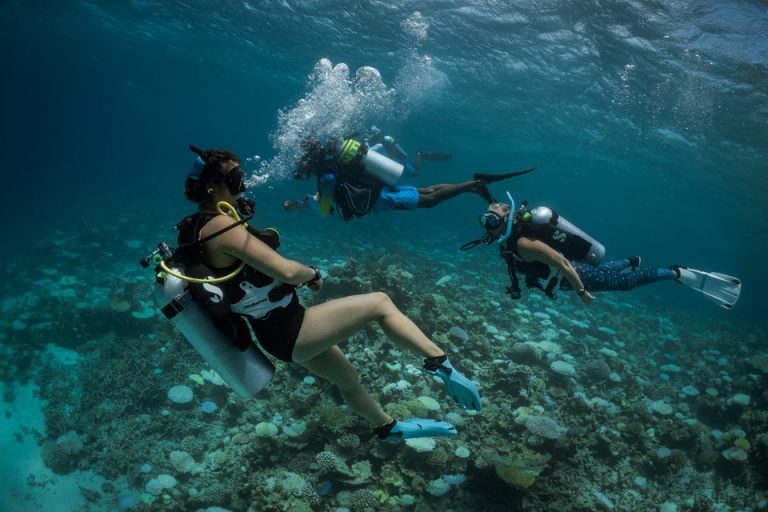
- recognising and correcting a student’s mistakes underwater;
- running exercises in confined water;
- assisting with open water sessions;
- working with a student who is struggling, the hardest and most valuable part of the course.
We repeat the exercises many times, until you reach a clear, calm and safe teaching style. The point is not to deliver a presentation, but to make sure the student actually learns something.

FAQ
Further training
The PADI career path after Assistant Instructor:
- PADI Open Water Scuba Instructor: the second part of the IDC, followed by the IE exam and full privileges;
- PADI EFR Instructor: required for instructor certification, best done before OWSI;
- PADI Master Scuba Diver Trainer: the next level after gaining instructor privileges;
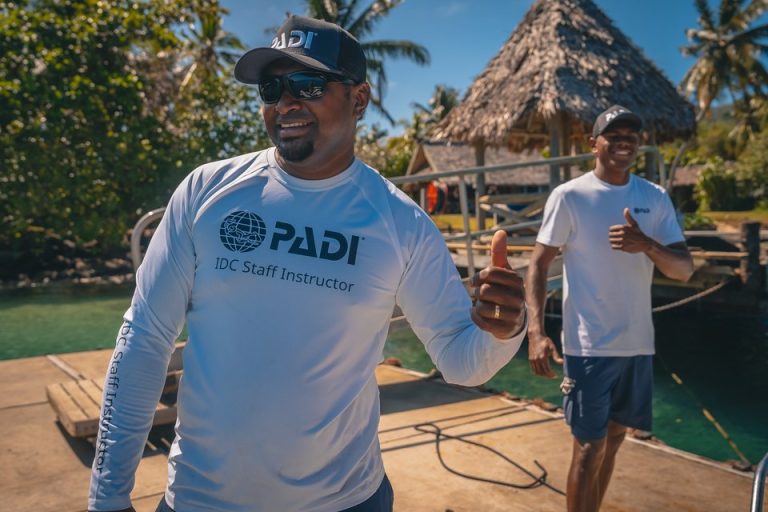
- PADI IDC Staff Instructor: working on the training of future instructors.
The IE exam requires 100 dives recorded in a logbook. If you currently have about 60, plan to make up the rest alongside the training, not after it.
Trips
Travelling as staff is the fastest way to build teaching hours:
- joining Long Deco trips as support for the training staff;
- teaching part of the sessions on trip-based courses;
- internships and placements at partner centres in Poland and abroad;
- seasonal work, a real chance to teach almost every day;
- watching staff work in a different environment and a different style of running courses.
Working abroad usually requires active PADI membership, professional insurance and current first aid training. We keep the trip calendar separately.
Professional practice
Work in which teaching craft turns into experience:
- giving theory presentations on real courses;
- running confined water exercises under an instructor’s supervision;
- running programmes independently within the scope of AI privileges;
- assisting on recreational courses run at Long Deco;
- watching different instructors at work, the fastest way to build your own style.
We match the tasks to your experience. The more hours you have worked with a group before starting OWSI, the easier the IDC and the exam will be.