


A solid foundation in technical diving
PADI Tec Basics: technical diving basics

Course description
PADI Tec Basics is the technical foundation: a course that lets you move on to further training without having to learn the basics from scratch underwater. We focus on the elements that matter most in technical diving and are often skipped in recreational training: buoyancy and trim control, stable movement in the water column, conscious equipment management and teamwork.
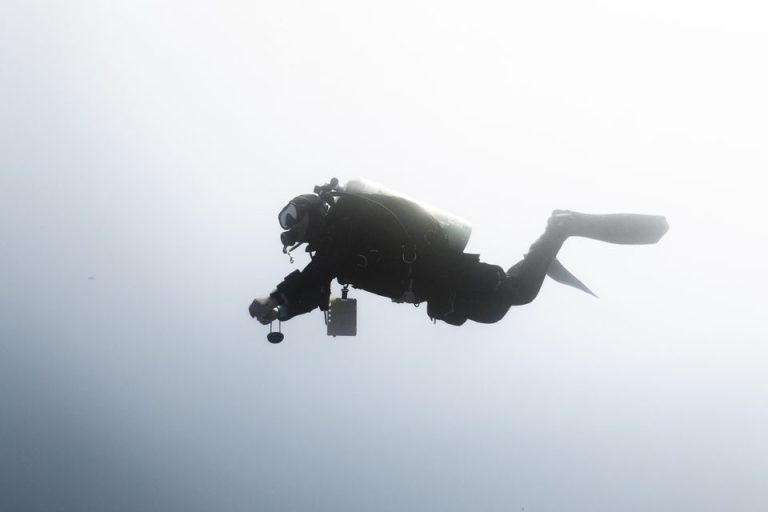
The course is run within no-decompression limits and within recreational limits. All attention goes to the quality of execution, not to depth or the complexity of the profile. Participants learn to hold position, react calmly to problems and do the exercises without losing control of the dive.
The Tec Basics programme matches the first part of the PADI Tec 40 course. This means that part of the completed material can be credited towards Tec 40: the first training dive, the practical sessions and the introductory theory sections, if you start the Tec 40 course within 12 months. It is a real saving of time and money, not an “extra” course.
Tec Basics works well in three situations: as preparation before Tec 40, as an orientation in a new equipment configuration (for example, moving from backmount to sidemount), and as a skills refresher for a technical diver after a longer break.

2-3 training days, depending on the scope of work and the pace of the group.
Theory (e-learning and a discussion with the instructor), practical sessions on land and in confined water, training dives.
Workshops in confined water or a pool and 3-4 training dives. The PADI standard requires fewer sessions: we add more so that each skill is practised until it is repeatable.
No-decompression dives only, within recreational limits.
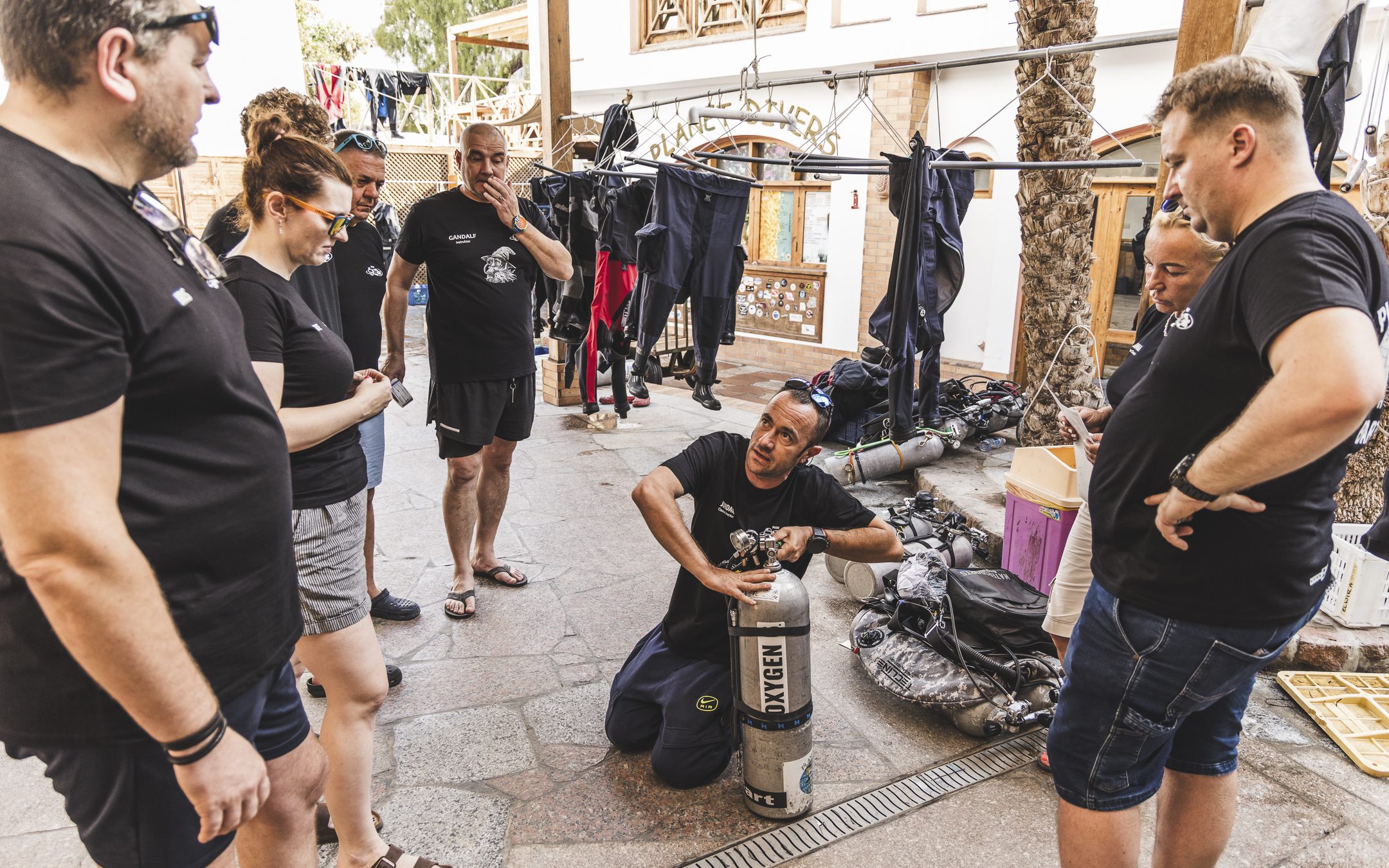
A maximum of 3 people per instructor. In practice we most often work in teams of 2, which allows individual technique correction.
Air or nitrox, within no-decompression limits.
Tec Basics ends with a PADI certification. After completing the course you can:
- hold stable trim and buoyancy in a technical configuration, without a visual reference,
- assemble and check a technical rig correctly,
- perform basic technical procedures, including a regulator switch and a valve shutdown,
- work in a team according to an agreed division of tasks and communication.
A note on a common misunderstanding: Tec Basics is a certification course. The programme without certification, purely introductory, is PADI Discover Tec, a short experience in confined water.
- Age: 18 years old;
- Certification: PADI Advanced Open Water Diver or an equivalent certification from another organisation;
- Recommended: PADI Rescue Diver and PADI Enriched Air Diver. They are not required, but they make the further technical path much easier;
- Experience: the PADI standard does not set a minimum number of dives; at Long Deco we take 25-30 dives recorded in a logbook as the point at which the course makes sense;
- Health: a current medical statement clearing you to dive.
Main configuration
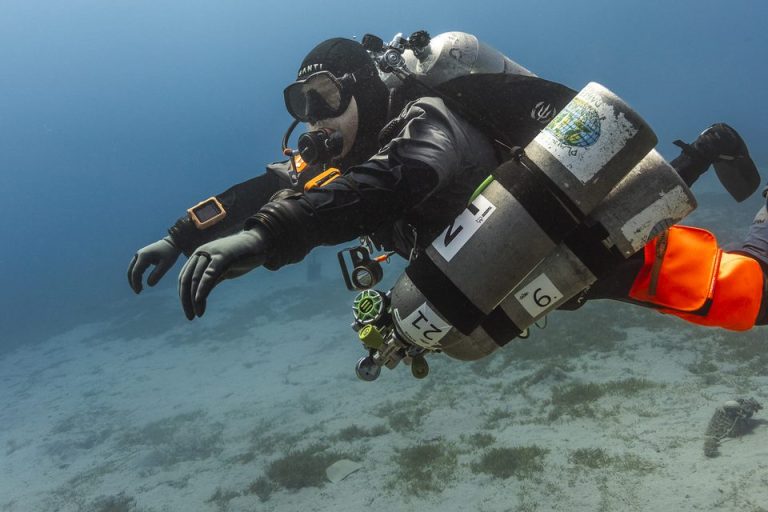
- a twinset (minimum 2 × 12 l) with an isolation manifold, or a sidemount set,
- a steel or aluminium backplate with a one-piece harness,
- two D-rings on the shoulder straps and two on the waist belt (rigid ones recommended),
- a crotch strap with a D-ring,
- a wing with 20-30 l of lift, matched to the configuration,
- a weighting system, with central weighting preferred,
- two first stages and two second stages,
- hoses: a long one of about 200 cm for the primary regulator, a short one of about 55 cm for the backup,
- a neck bungee (necklace) for the backup regulator,
- a pressure gauge on a 55-60 cm hose with a bolt snap,
- a wing inflator hose and, with a dry suit, an inflation hose of about 80 cm.
Instruments and safety equipment
- a dive computer and a backup instrument for time and depth,
- a surface marker buoy (minimum 25 kg of lift) and a reel or spool with at least 30 m of line,
- a backup mask,
- an underwater slate or a waterproof notebook,
- a cutting tool.
Thermal protection
- a dry suit with an undersuit (recommended); alternatively a thick wetsuit chosen for the conditions.
Also recommended
- an oxygen analyser,
- dive planning software on a laptop or tablet,
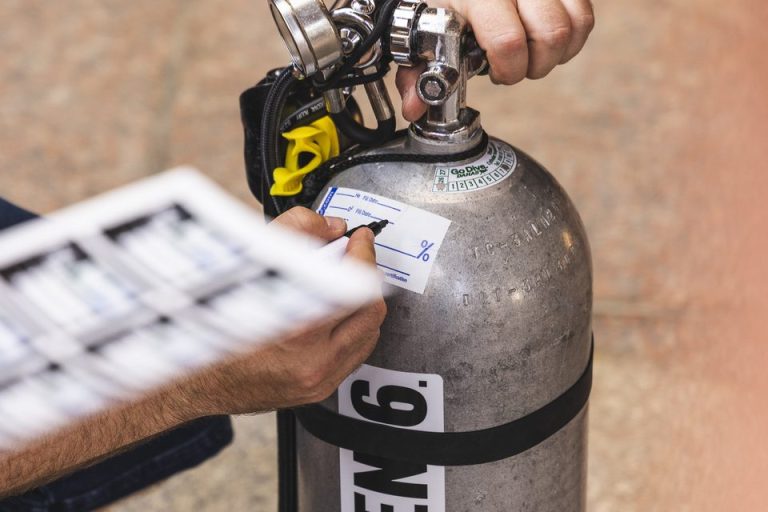
- electrical tape and a white permanent marker for labelling cylinders,
- a regulator service kit and basic hand tools,
- spare bungee cords, O-rings and gloves.
Training fee
The price is set individually, depending on where the course takes place and on logistics.
Registration and certification fee
According to the current price list of the certifying organisation.
Training materials
The PADI Tec Basics package (e-learning and planning materials), charged separately.
Additional costs
Breathing gases, technical equipment rental, dive logistics, travel, accommodation and meals.
Theory
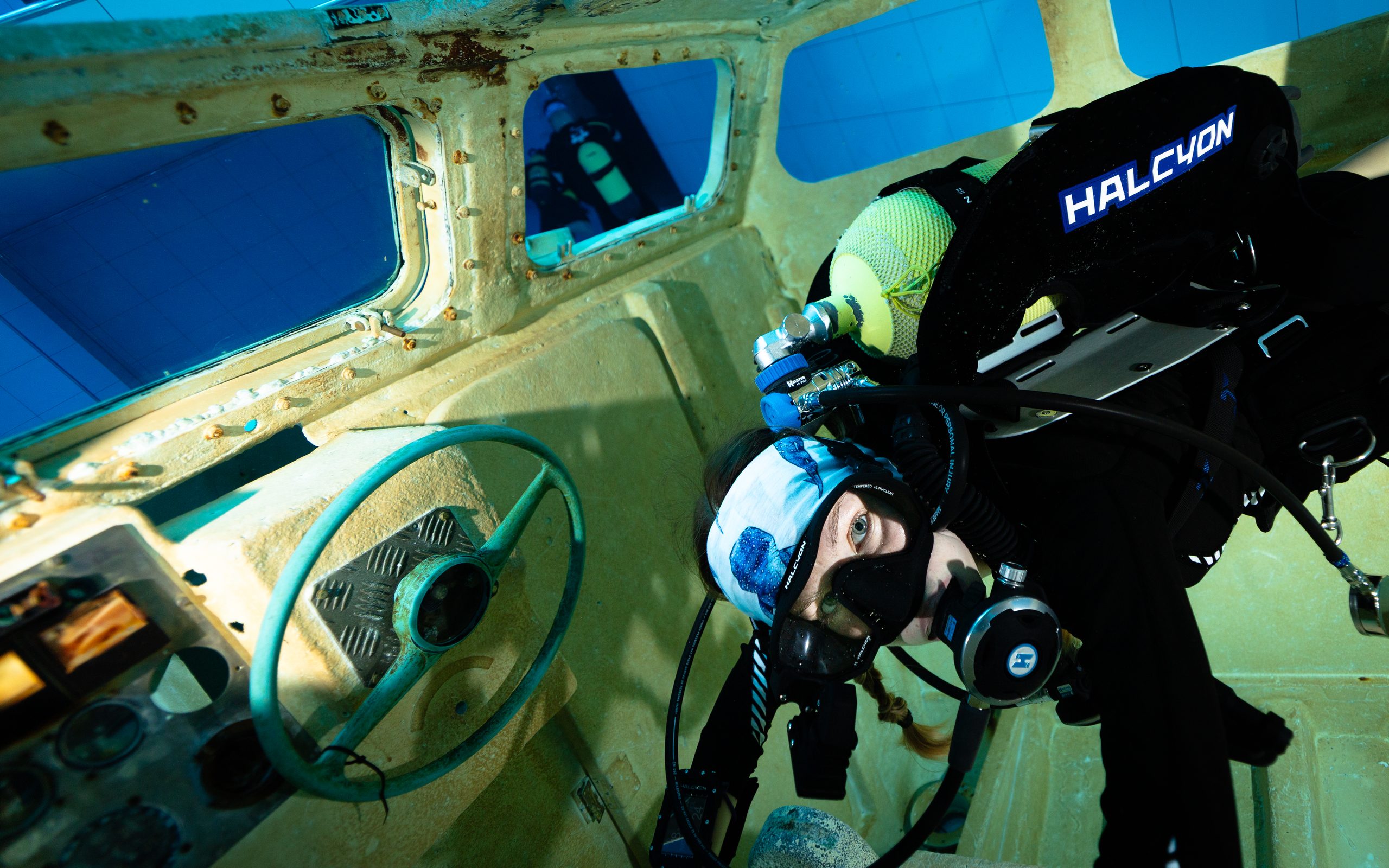
The theory part is practical: every block directly supports the exercises in the water:
- how technical diving differs from recreational diving: scope, risk, responsibility;
- the philosophy of equipment configuration: why each element is placed where it is;
- rig ergonomics, choosing hose lengths and trim;
- the basics of teamwork: division of roles, communication, mutual equipment checks;
- managing task loading and making conscious decisions underwater;
- an introduction to gas planning and reserve rules.
Practice
Practical sessions are the core of the course. We repeat exercises until the technique is correct, not until the time limit runs out:
- buoyancy control and holding horizontal trim without a visual reference;
- propulsion techniques: frog kick, modified frog, back kick, helicopter turn;
- switching from the primary regulator to the backup and working with a long hose;
- valve procedures in a backmount configuration or handling independent cylinders in sidemount;
- deploying a surface marker buoy while keeping position and depth control;
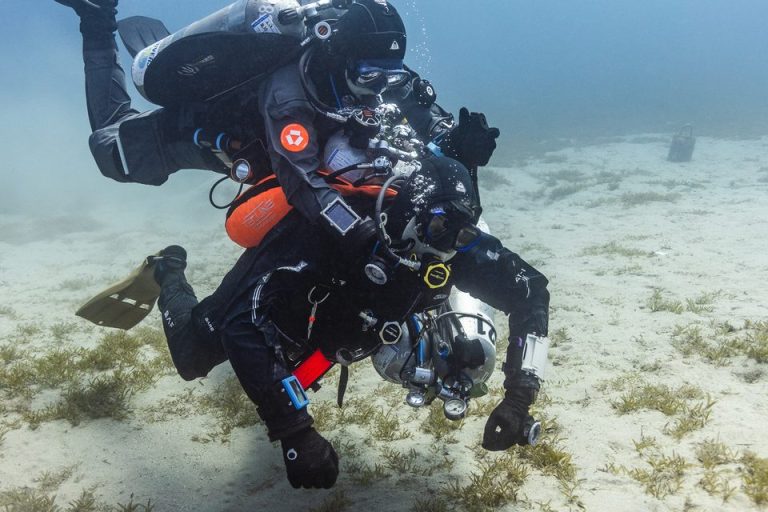
- sharing gas on the move, as a team;
- stress control and calm problem solving under increasing task loading.
The goal of the course is to build repeatable habits. We treat a skill as mastered when it is done correctly while keeping control of position and situational awareness, not simply when it is done.

FAQ
Projects
Dives with a specific task, within no-decompression limits: a way to consolidate freshly built habits:
- consolidation dives at familiar sites, supervised by our staff;
- photo documentation of shallow sites: the first task loading;
- working with a line and spool in limited visibility;
- taking part in team projects in a surface support role.
We choose team members by training level, not by the order of applications. If a given project is too early for you, we suggest an intermediate path.
Trips
Several days in a row with the same team build experience faster than the same number of dives spread across the whole season:
- trips within Poland: lakes and flooded quarries, weekend format, demanding thermal conditions;
- trips abroad: warm water and good visibility, good for the first dives in a new configuration;
- small teams and a dive plan of increasing complexity;
- a briefing before every dive and a debrief after it;
- staff supervision on site, including equipment servicing.
Before a trip it is worth planning an equipment check, a check dive in the target configuration and valid diving insurance. We keep the trip calendar separately.
Further training
A natural continuation after Tec Basics. The order depends on what you want to achieve:
- PADI Tec 40: the first technical level, decompression dives to 40 metres;
- PADI Tec Sidemount: if you want to master a second configuration;
- PADI Enriched Air Diver and Deep Diver: if you are missing them for the Tec 40 prerequisites;
- PADI Rescue Diver: recommended before Tec 40 and required at Tec 45 level.
Part of the Tec Basics material counts towards Tec 40 if you start that course within 12 months.