


First aid in diving accidents
DAN Diving First Responder (DFR): Diving emergency responder
Course description
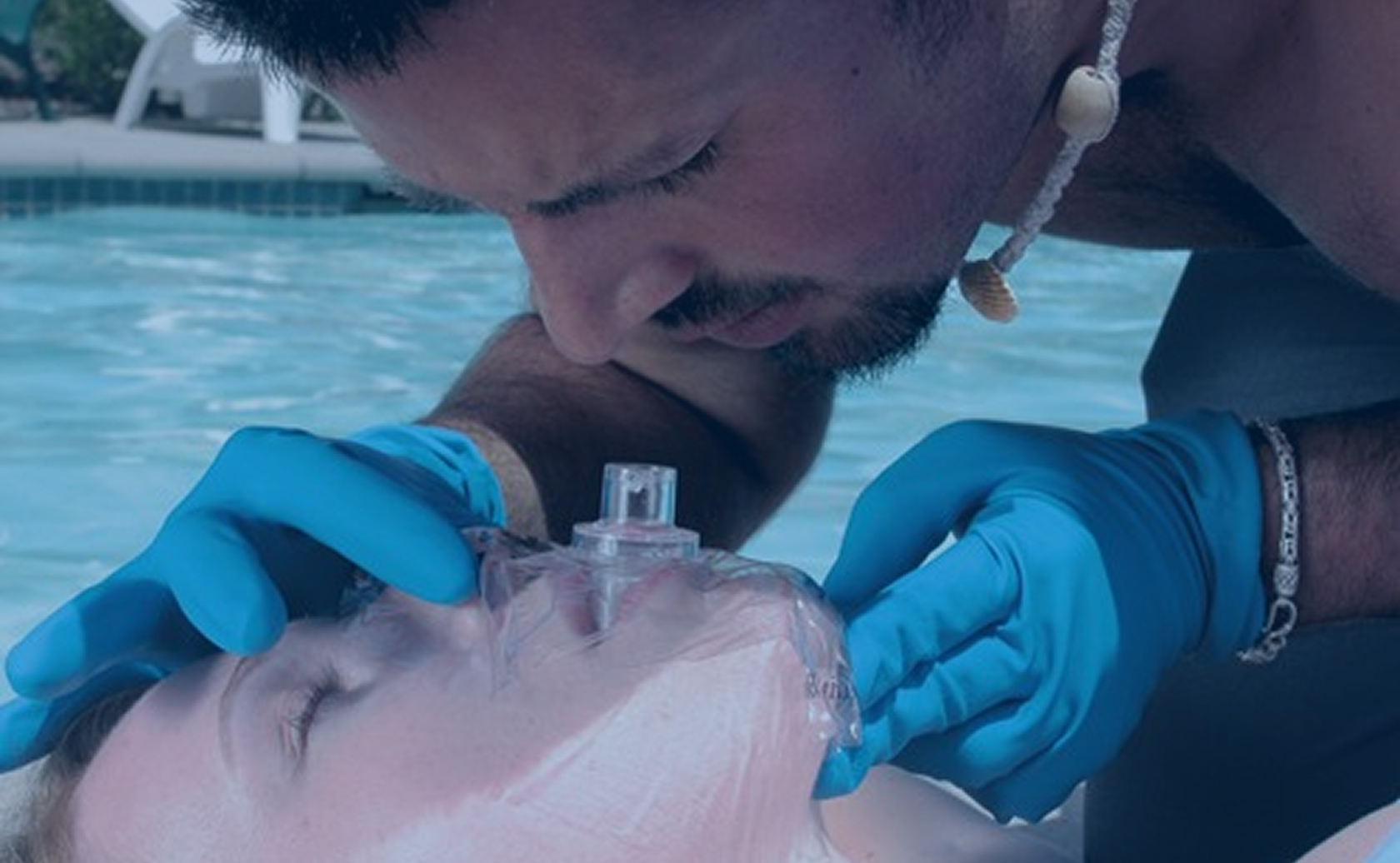
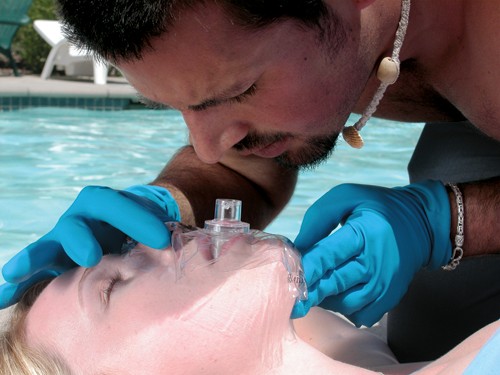
DAN Diving First Responder is an integrated rescue programme that combines skills from several separate DAN courses into one coherent response system for the diving environment: basic resuscitation with an AED, oxygen first aid, management of injuries caused by marine life, and neurological assessment of the casualty.
The training focuses on practical action. The participant learns to recognise the symptoms of diving injuries, assess the casualty’s condition, start oxygen therapy and work with the medical services. The programme includes realistic scenarios, teamwork and building decision-making skills under stress.
The key difference from a basic first aid course is the context. A diving accident rarely looks like a textbook cardiac arrest. More often it is a diver who has come out of the water and says something is wrong. Recognising that this is the start of decompression sickness, and giving oxygen in the first minutes, has a direct effect on the prognosis.
This is a course for people who want to move from being a witness to being a conscious, prepared first responder, both in diving and outside it.
Intensive format (2-3 days) or extended format (4 days), depending on the range of scenarios and the group’s experience level.
Theory workshops on physiology and diving injuries, practical exercises in CPR, AED and oxygen therapy, rescue scenario simulations, and teamwork with a debrief.
This is a competence-based programme: participants must show they can apply the knowledge in practice, not just attend the classes.
A maximum of 8 people per instructor, which allows intensive practical work and individual feedback.
DAN recommends refreshing your skills every 2 years. For professional work with groups, more often.
The Diving First Responder plays a key role in the first phase of an incident. This is the person who starts the response, stabilises the situation and prepares the ground for further medical help.
The role includes securing the scene, initial assessment and stabilisation of the casualty, carrying out life-saving procedures, coordinating the team and communicating with the emergency services, emotional support for the casualty, and reliable handover of medical information.
The programme stresses that the First Responder does not replace the medical system but is its first link. Knowing this limit is as important as the skills themselves: a responder who oversteps their competence can do harm.
- Certification: no formal requirements; earlier CPR training is welcome but not necessary;
- Diving: you do not need to be a diver, and the course is also open to non-divers;
- Health: no contraindications to taking part in practical exercises and simulation scenarios;
- Attitude: readiness to work in realistic scenarios and to take responsibility for the team.
Training fee
The price is set individually, depending on the training model: in person, hybrid or group.
Registration and certification fee
Training materials and DAN certification, according to the current price list of the certifying organisation.
Additional costs
Logistics and accommodation for courses away from base. Oxygen kits, training defibrillators and manikins are provided as part of the course.
Scope of competence after the course
The programme does not focus on single skills but on an integrated approach to the incident, from the first assessment through stabilisation to handing the casualty over to the emergency services. After the course you can:
- assess the scene and identify hazards to the responder and the team,
- carry out a primary assessment of the casualty and recognise life-threatening symptoms,
- carry out a secondary medical assessment, including history and monitoring of vital signs,
- recognise the symptoms of diving injuries: decompression sickness, gas embolism, barotrauma, hypothermia,
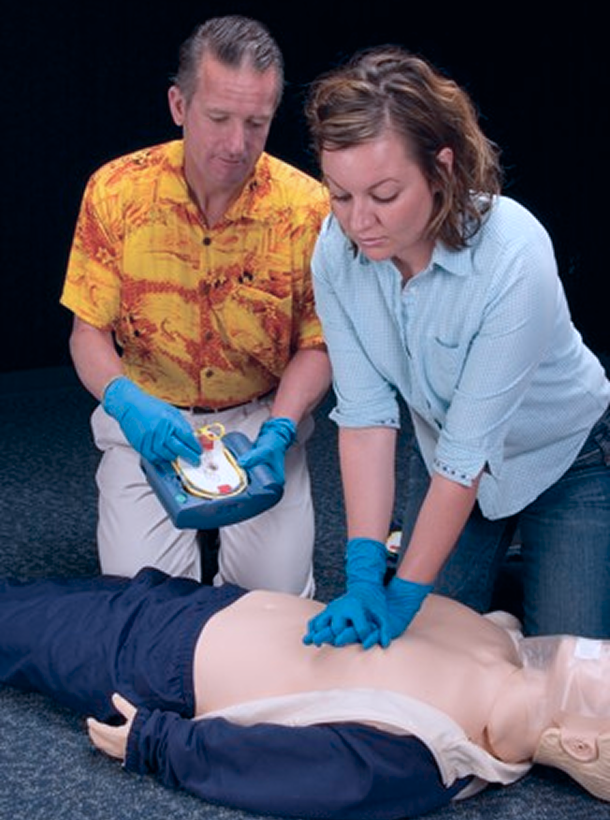
- perform resuscitation and use an AED in line with current guidelines,
- start oxygen therapy in a diving accident and monitor the casualty’s response,
- organise communication with the emergency services and the DAN emergency hotline,
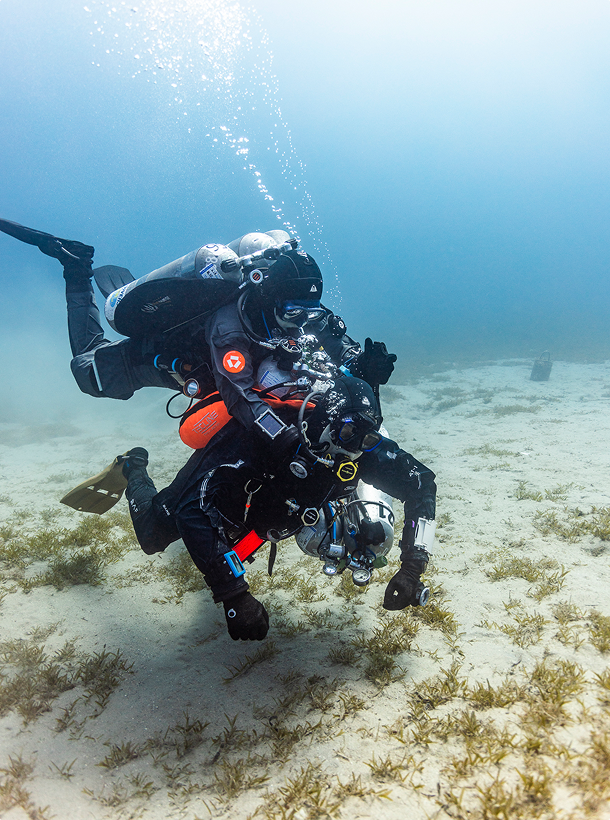
- act as a member of a rescue team and support other divers in an emergency.
These skills translate directly into the safety of dives, trips and technical projects, especially where the emergency services take hours to arrive, not minutes.
Theory
The theory part is the foundation for the practical skills. Its aim is to understand the mechanisms behind the symptoms, not to memorise a list:
- basics of respiratory and circulatory physiology;
- how diving and decompression injuries develop;
- how oxygen therapy works and how it affects the injured person;
- algorithms for handling sudden medical emergencies;
- the responder’s role in the medical response system and the limits of their competence;
- biological safety and personal protection;
- psychological aspects of reacting in crisis situations.
Classes are interactive, using case studies and analysis of real incidents. This works better than a lecture, because in a real accident the symptoms never line up the way they do in a textbook.
Practice
The practical part focuses on building automatic responses and the ability to act under time pressure. Participants repeat the procedures many times in realistic scenarios:
- resuscitation of adults, children and infants;
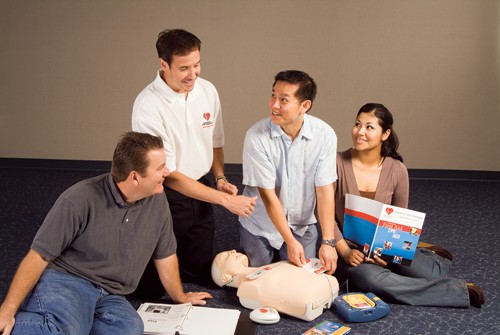
- using an AED in sudden cardiac arrest scenarios;
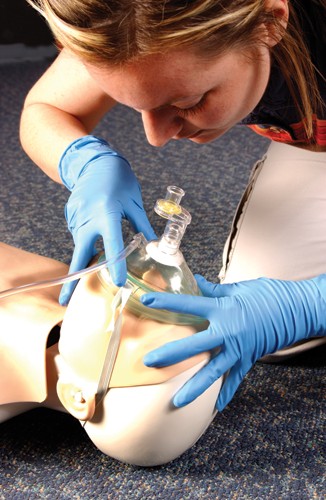
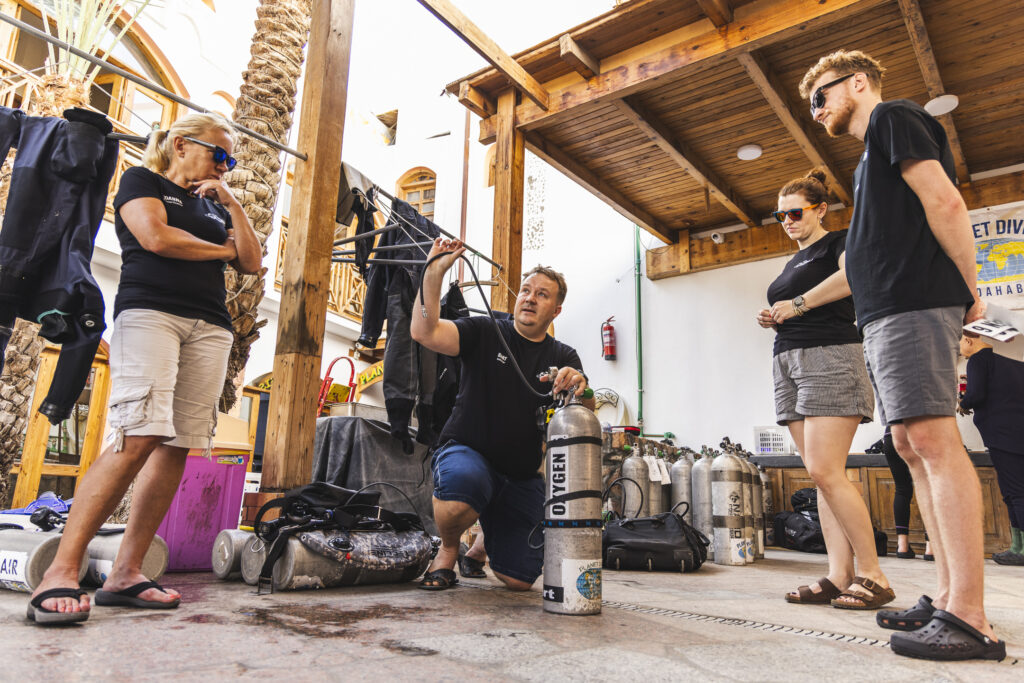
- working with an oxygen kit: assembly, configuration and choosing the delivery method;
- oxygen therapy for breathing and non-breathing casualties;
- neurological assessment of an injured diver;
- managing a diving injury scenario from the moment the diver leaves the water;
- transport and positioning of the casualty;
- teamwork and communication in dynamic situations.
The training moves from simple single-skill exercises to complex scenarios that require combining knowledge, communication and decision-making with incomplete information.


FAQ
The next step on your path
Ways to develop after gaining first response skills:
- further DAN modules and training levels, including advanced oxygen first aid;
- PADI Rescue Diver: rescue in the water, if you do not have it yet;
- Qualified First Aid (Kwalifikowana Pierwsza Pomoc, KPP), a Polish state course with a broader rescue scope;
- training in incident management and expedition safety planning.
For people developing in technical diving or instructing, rescue skills are part of professional maturity, not an addition to the logbook.
Work and practice
Practical uses of these skills in diving and beyond:
- the role of the person responsible for medical safety during dives;
- helping the team plan emergency procedures before a trip or project;
- taking part in safety simulations and workshops organised at Long Deco;
- checking and assembling rescue equipment: first aid kit, oxygen kit, AED;
- building medical awareness in a diving group.
Before a trip, it is worth agreeing who on the team has rescue skills and where the equipment is. That conversation takes two minutes and is often the most important part of the preparation.