


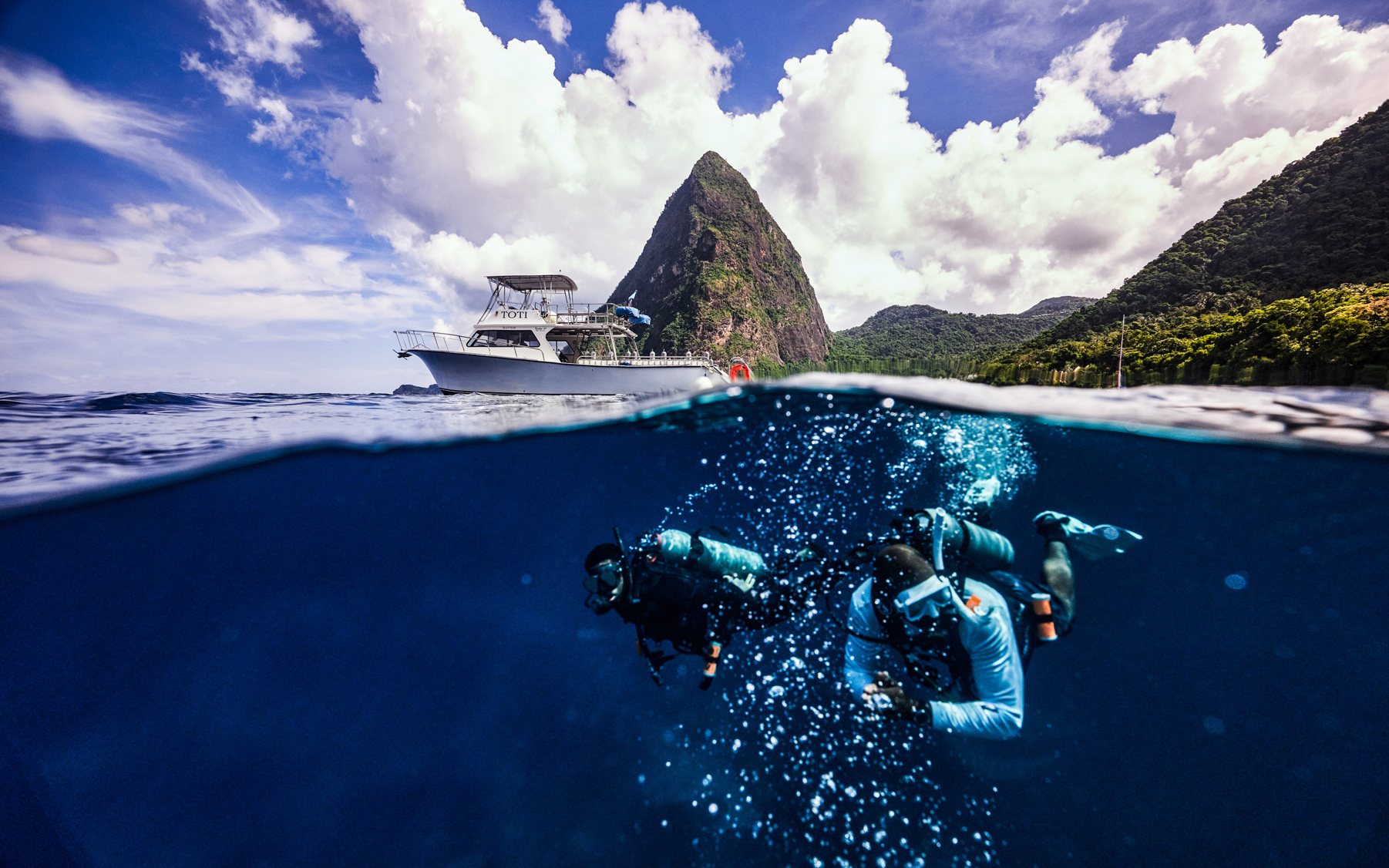
Direction by choice, not by chance
PADI Specialty Diver: development through specialties

Course description
PADI Specialty Diver is a development path built on specialty courses, which let you develop specific skills and act deliberately in different environments. It is not a single course but a process of building competence by choosing a direction.
Each specialty focuses on a different area, from buoyancy control, through navigation and deep diving, to environments such as wrecks, night diving or the dry suit. Each develops a specific skill and has a direct effect on practice.
A deliberate choice matters. Specialties should fit the environment you actually dive in and the direction you want to develop in. This is not collecting certificates but building real competence, and the difference between the two shows underwater after a few minutes.
Completing five specialties is also one of the conditions for earning PADI Master Scuba Diver, the highest level in recreational diving.

Depends on the number of specialties chosen. Each usually takes 1-2 days. In practice it is a process spread over time, from a few days to a few months.
Depends on the specialty: usually 2-4 training dives per course. Some, such as nitrox, require no dives.
A maximum of 4 students per instructor, depending on the nature of the specialty.
Most often air; for some specialties also nitrox.
Depends on the specific specialty: some are available after the entry-level course, some require the Adventure or Advanced level.
Most often chosen in Polish conditions
- Dry Suit Diver: dry suit; it genuinely extends the diving season,
- Peak Performance Buoyancy: buoyancy improvement; the biggest single jump in comfort,
- Deep Diver: deep diving to 40 metres,
- Underwater Navigator: underwater navigation,
- Enriched Air (Nitrox) Diver: no mandatory dives,
- Night Diver: night diving.
Environmental and exploration
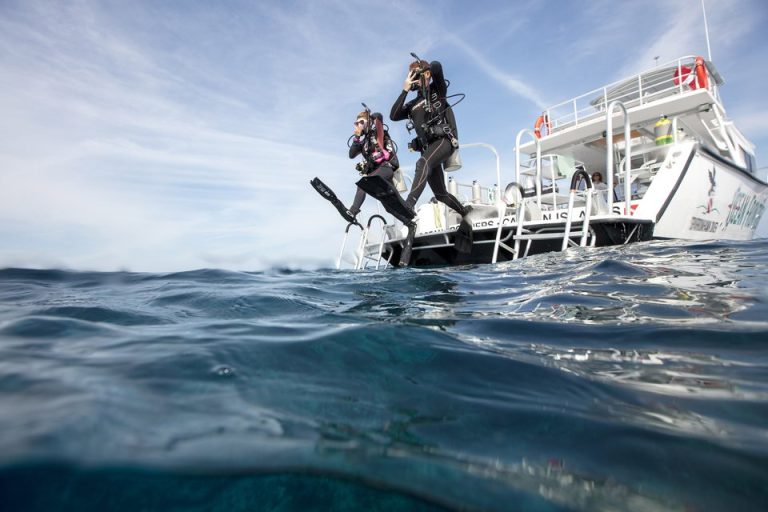
- Wreck Diver, Boat Diver, Drift Diver,
- Altitude Diver, Ice Diver,
- Search and Recovery Diver, Multilevel Diver.
Equipment and technical
- Sidemount Diver, Equipment Specialist,
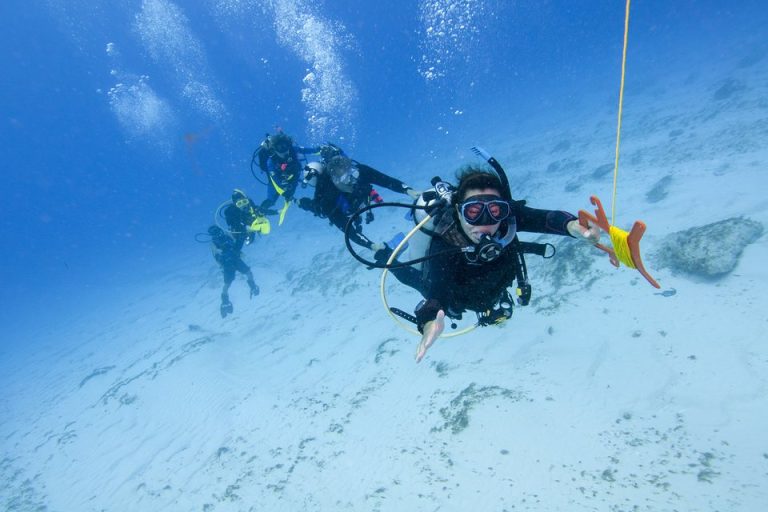
- Diver Propulsion Vehicle (DPV),
- Self-Reliant Diver, Emergency Oxygen Provider.
Nature, imaging and conservation
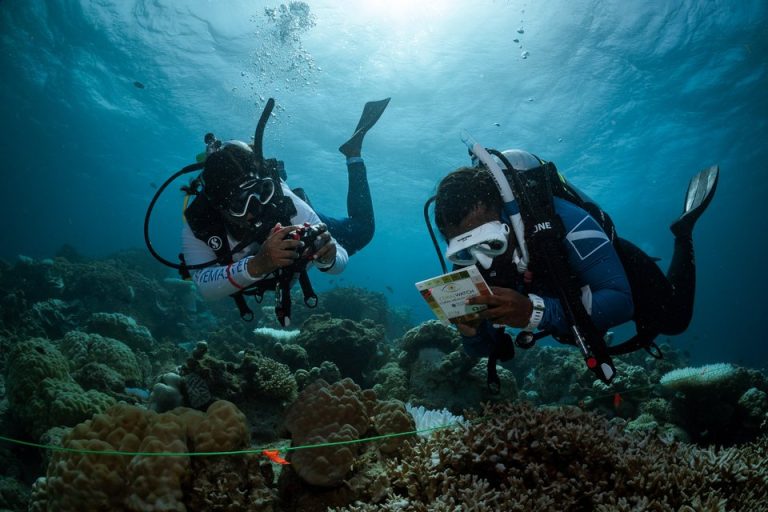
- Digital Underwater Photographer,
- Underwater Naturalist, Fish Identification,
- Coral Reef Conservation, Dive Against Debris, AWARE Shark Conservation.
If you have done themed dives as part of the Advanced Open Water Diver course, they may count towards the matching specialties. It is worth asking about this when planning.
The PADI Specialty Diver programme does not define a single set of equipment, because the requirements depend on the specialties chosen.
In most cases standard diving equipment is used, which may be extended depending on the nature of the course.
For example:
- dry suit (Dry Suit Diver)
- torch (Night Diver, Wreck Diver)
- surface marker buoy (SMB)
- compass (Underwater Navigator)
- oxygen analyser (Nitrox Diver)
What matters is matching the equipment to the environment and the purpose of the dive, and using it deliberately and in an orderly way.
Training fee
The price depends on the number and type of specialties chosen. Courses with dives cost more than those done as workshops.
Registration and certification fee
A separate certification fee for each specialty, according to the current price list of the certifying organisation.
Additional costs
Hire of specialist equipment, breathing gases, dive logistics, travel, accommodation and meals.
Theory
Each specialty develops a different area of knowledge, so there is no single shared theory part. The scope depends on the course and may include dive planning, navigation, buoyancy control, gas management, equipment handling or the specifics of an environment.
What they do share is one principle: theory is not an end in itself. Every specialty turns knowledge directly into practice. You learn specific rules that you will apply on your next dive.
Practice
The practical part is delivered within each course and covers dives built around specific tasks: buoyancy control, navigation, work inside a wreck structure, night diving or gas management.
Every specialty widens what you can do underwater, and the skills are developed step by step and in a repeatable way. The aim is real experience, built through dives that have a specific purpose.
The greatest value comes from specialties you will actually use. An ice diving course taken by someone who only dives in Egypt is an interesting experience, but not a competence.

FAQ

The next step on your path
Directions that specialties lead to:
- PADI Master Scuba Diver, after Rescue, five specialties and 50 dives;
- PADI Rescue Diver, if you do not have it yet: the biggest change in quality on the recreational path;
- PADI Divemaster, the first professional level;
- PADI Tec Basics and Tec 40, the entry into technical diving.
Technical specialties, such as Sidemount or Self-Reliant, are a good bridge between recreational and technical diving. Consider them if you are thinking about that path.
Trips
A trip is where specialties stop being a course and become a tool:
- completing several specialties during one trip;
- night, wreck and drift dives where they make real sense;
- adapting to changing conditions and working with different buddies;
- themed trips focused on one specialty;
- building the number of dives needed for the Master Scuba Diver title.
We keep the trip calendar separately. It is worth settling the specialty plan before the trip, as some courses need equipment that has to be reserved in advance.