


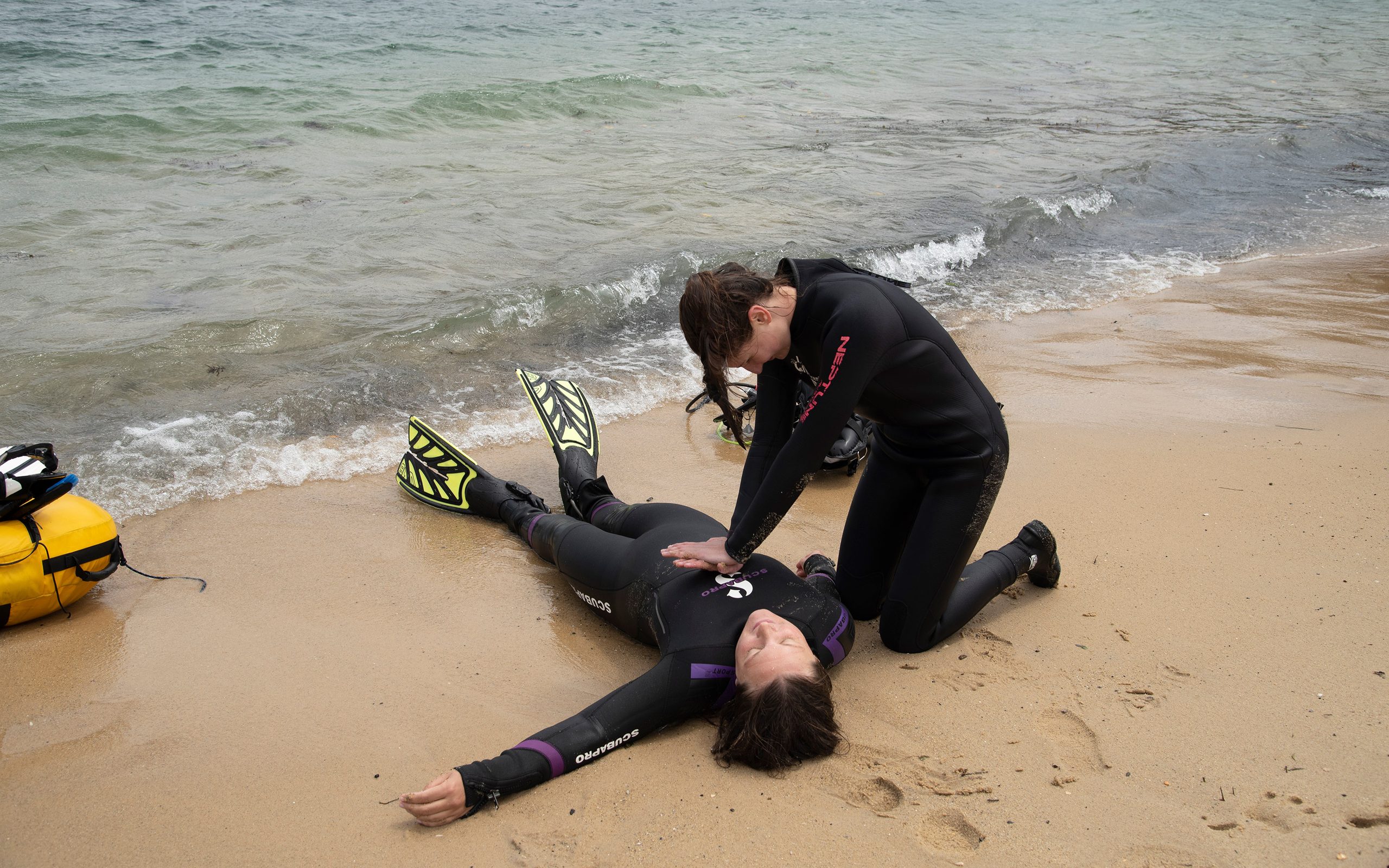
EFR first aid instructor
PADI EFR Instructor (EFRI): first aid instructor

Course description
The Emergency First Response Instructor course prepares you to teach first aid, cardiopulmonary resuscitation and AED use independently. It extends the professional skills of professional divers, instructors and people who work with groups.
The training covers both practical and methodological skills. Participants learn how to structure a course, the EFR standards and how to work effectively with a group. The theory part introduces the philosophy of the EFR programmes, the assessment requirements, the role and responsibility of the instructor, and the administrative and documentation side.
For people on the diving path the course has one more practical meaning: EFR Instructor qualifications are required to be certified as a PADI Open Water Scuba Instructor. Many people do it alongside instructor training, but doing it earlier clearly spreads the workload during the most intensive period of the IDC.
The aim of the course is to prepare you to teach commercial and educational courses (CPR & AED, Primary & Secondary Care and refresher courses) in an organised, safe way that meets the standards.

1-2 days of workshops, depending on the candidate’s experience and the pace of the group.
Theory and EFR standards, methodology workshops, candidate presentations, practical sessions and simulations, and a final exam.
An instructor course focused on teaching methodology, giving presentations, positive coaching and assessing participants.
Small groups that allow individual work and detailed correction of teaching technique.
- Age: 18 years or older;
- Certification: a current first aid and CPR & AED certificate, Emergency First Response Primary & Secondary Care or equivalent, completed within the last 24 months;
- Skills: correct performance of the required rescue procedures during the initial assessment;
- Experience: experience of working with people is recommended but not required.
The course is independent of the diving path. You do not need to be a diver to complete it, and you do not need to dive to use it professionally.
An EFR instructor does not just pass on theory, they build readiness to act in a life-threatening situation. They are responsible for the quality of training, the safety of participants and the course’s compliance with standards.
For a professional diver, EFR Instructor qualifications are also part of a centre’s safety structure: running internal courses, medical cover for trips, building a safety culture in the team and training support for staff. It is a role that links the standard with real action.
Training fee
The price is set individually, depending on the course location, the training model and the number of participants.
Registration and certification fee
The instructor certification fee according to the current price list of the certifying organisation.
Training materials
EFR instructor materials, charged separately.
Costs after the course
Teaching courses requires active membership and periodic renewal of your instructor status. If you run commercial training, you also need to account for the cost of your own teaching equipment: manikins, a training AED and consumables.
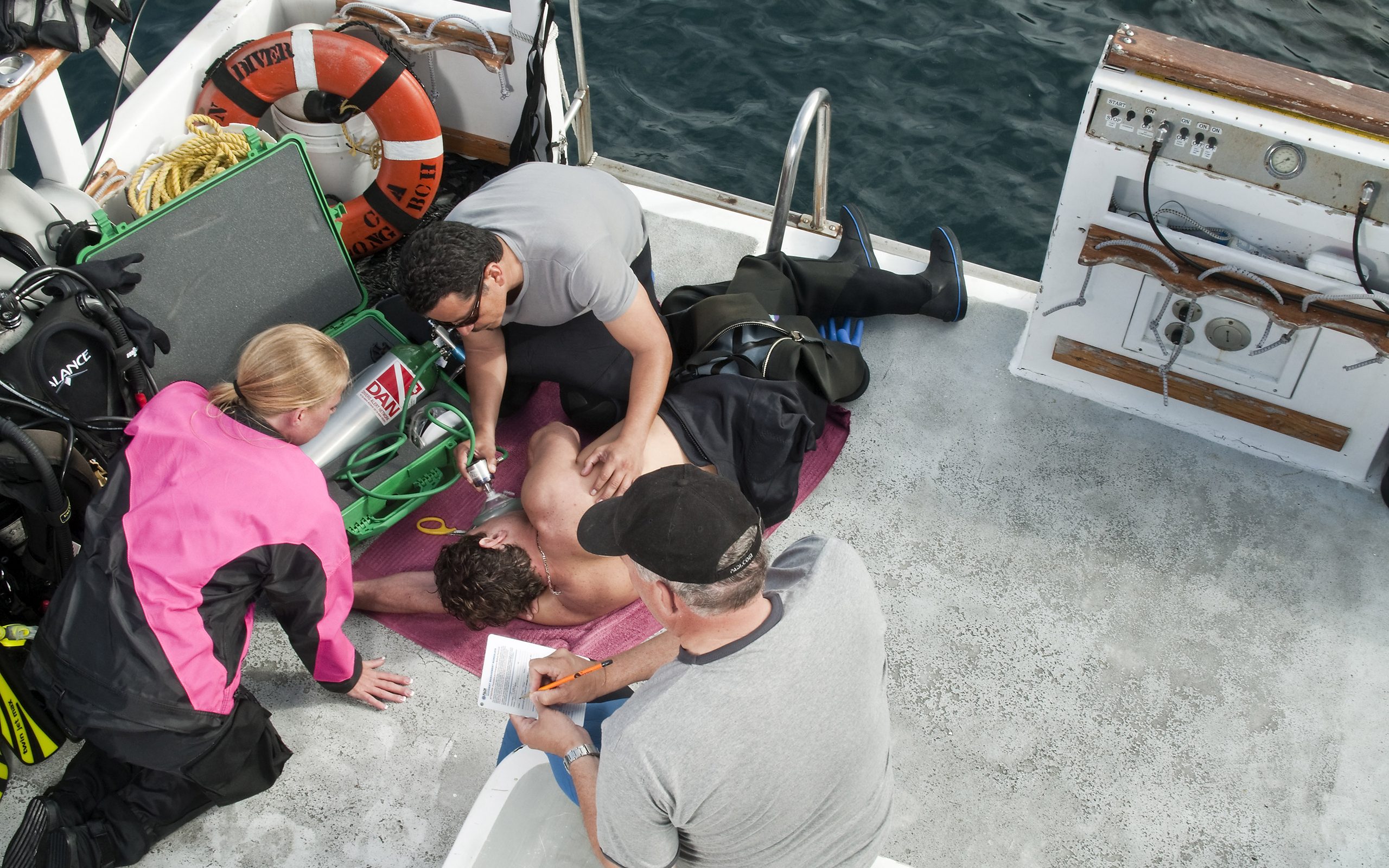

Scope of competence after the course
After certification you can teach courses independently within the scope of your qualifications:
- CPR & AED: resuscitation and defibrillator use,
- Primary & Secondary Care: basic and extended first aid,
- refresher courses for people whose certifications are about to expire,
- commercial training for companies, institutions and organised groups, including those outside the diving community.
The course builds teaching skills and confidence in the instructor role: giving presentations, demonstrating technique, managing group dynamics and correcting mistakes without creating stress.
Theory
The theory part covers both the EFR programme standards and the methodology of teaching them:
- the philosophy of the Emergency First Response programmes and the logic behind how they are built;
- EFR standards and the current ILCOR guidelines that form their evidence base;
- the structure of the CPR & AED and Primary & Secondary Care courses;
- methods for teaching adults and building an effective presentation;
- positive coaching: correcting mistakes in a way that builds the participant’s confidence instead of taking it away;
- criteria for assessing and examining participants;
- course organisation and administration, paperwork and the instructor’s responsibility.
Practice
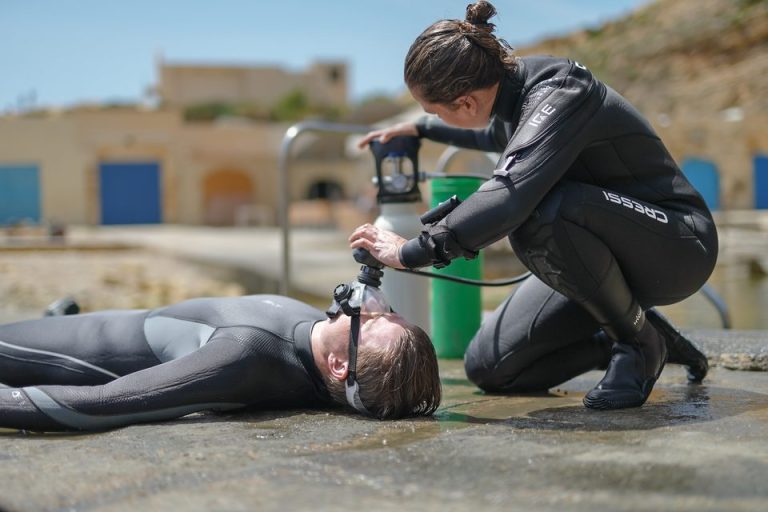
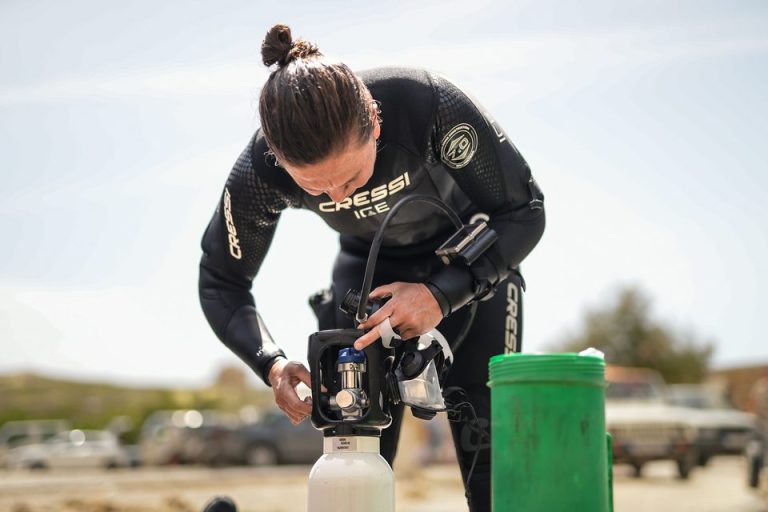
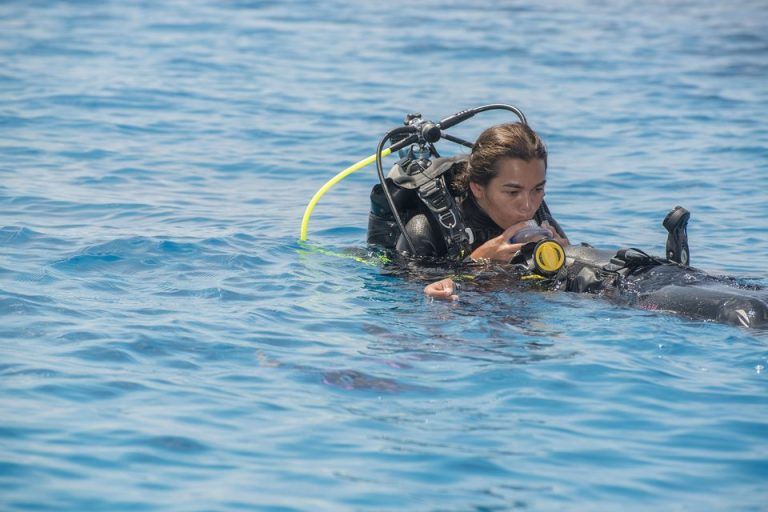
Practical sessions are the core of the training:
- teaching parts of a course in front of a group;
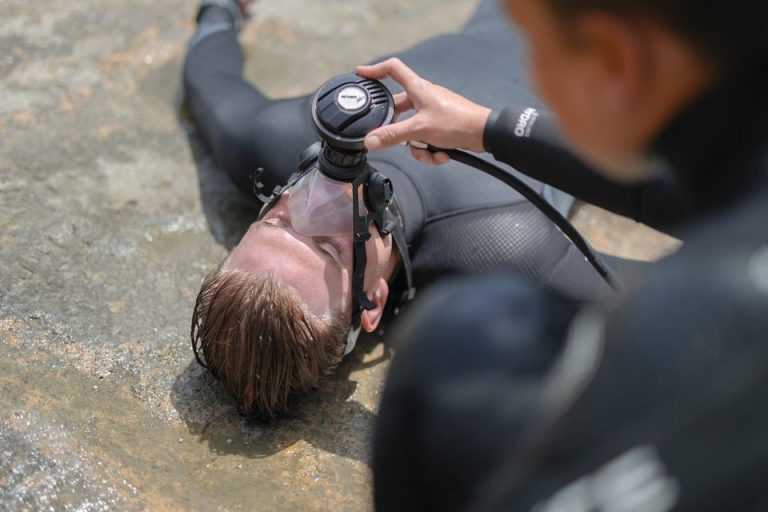
- demonstrating rescue skills at a teaching level: slowly, clearly, broken into stages;
- running training drills and scenarios;
- correcting participants’ mistakes and managing group dynamics;
- assessing participants against the programme criteria;
- the final instructor exam.
The aim is not technical correctness of the procedures alone, but the ability to bring a participant to the point where they will act under pressure. That is a completely different task from performing a procedure yourself.

FAQ
Further training
Development path after you gain first aid instructor qualifications:
- EFR Instructor Trainer: training new first aid instructors, once you have gained experience;
- PADI Open Water Scuba Instructor: if you are progressing on the diving path, EFR Instructor is required for it;
- PADI Emergency Oxygen Provider Instructor: adds rescue skills for the diving environment;
- specialist training in rescue and diving medicine.
For people planning to work in the diving industry, combining EFR Instructor with Divemaster or instructor qualifications is one of the most practical sets to start with.
Trips
EFR instructor qualifications have a double use on trips, for training and for safety:
- training support on diving trips as a member of staff;
- teaching first aid courses for trip participants;
- responsibility for the first aid provision and the emergency plan of the trip;
- taking part in staff development programmes;
- building teaching experience in real instructor working conditions.
On technical and project trips, having a first aid instructor on the staff is part of the safety plan, not an extra. We keep the trip calendar separately.
Professional practice
Work in which your qualifications turn into real experience:
- teaching first aid courses as part of the Long Deco offer;
- commercial training for companies, institutions and organised groups;
- refresher courses for staff and regular clients of the centre;
- medical cover for diving trips and projects;
- building and maintaining a safety culture in the team.
In this area the market for corporate training is much larger than the diving market and less seasonal. For many instructors it is a steady addition to their income outside the season.