


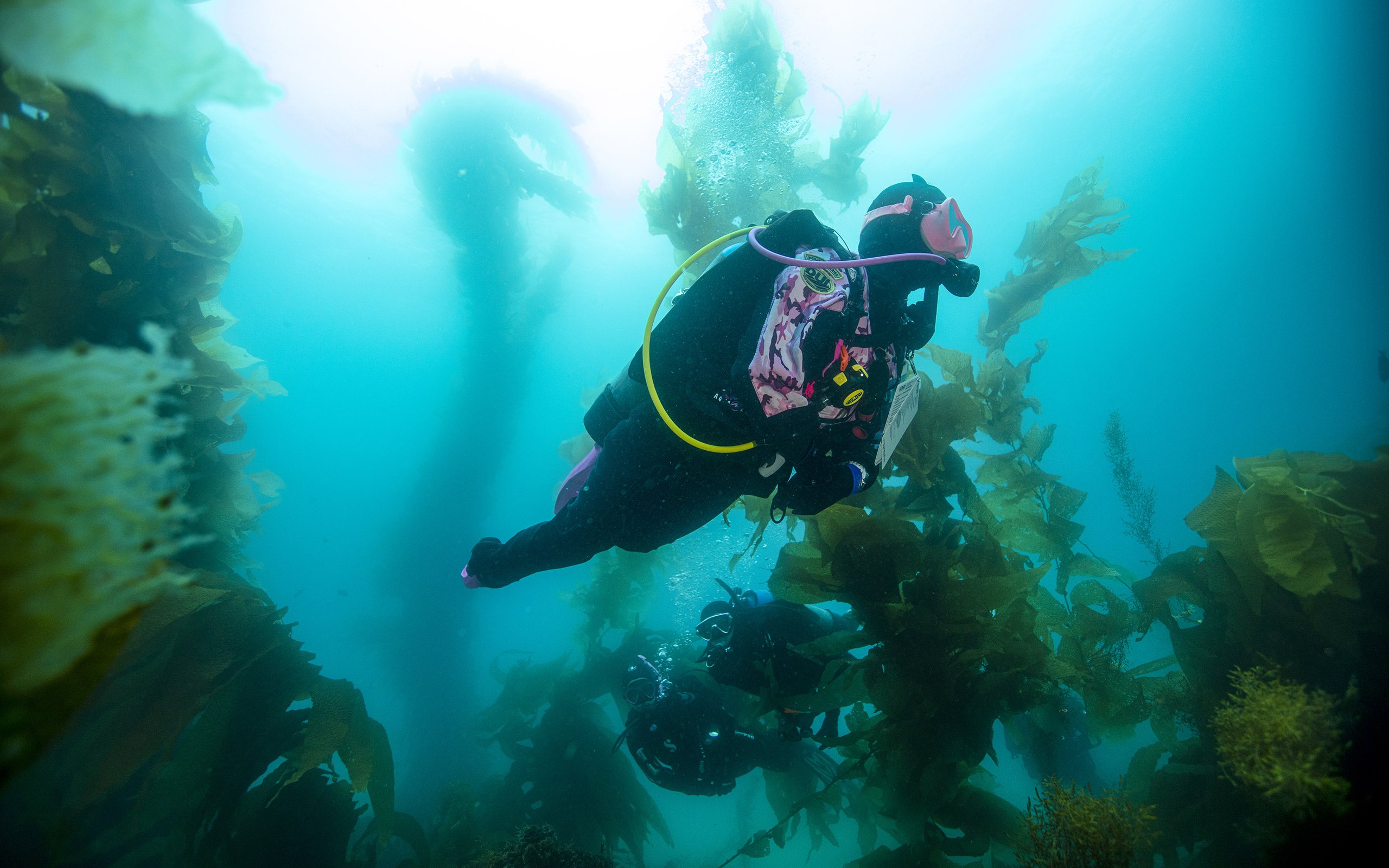
The dry suit without the chaos
PADI Dry Suit Diver: dry suit diving

Course description
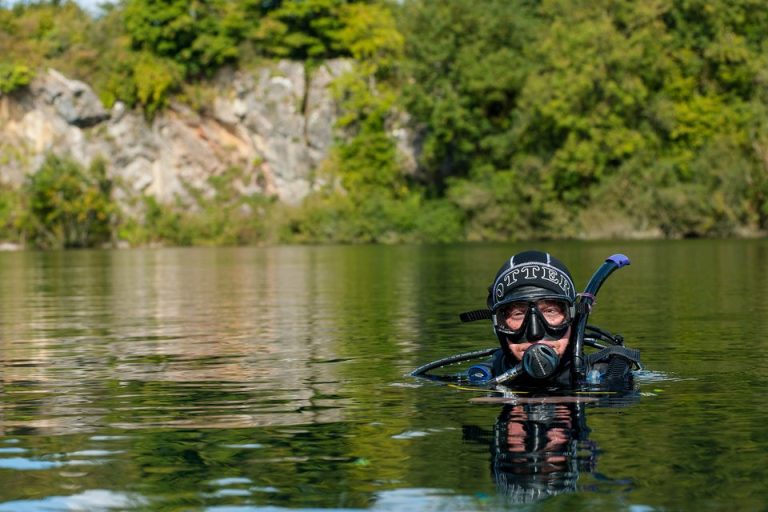
The PADI Dry Suit Diver course introduces diving in a dry suit, a configuration that needs different buoyancy control and conscious gas management. In Polish conditions this training really changes how available diving is: from a summer season to the whole year.
The programme focuses on understanding how the suit works, managing the amount of gas inside it and holding a stable position. You learn to control trim, respond to volume changes and avoid typical problems, above all gas migration to the legs and uncontrolled ascent.
The key difference from a wetsuit is that there is a second gas space to manage. At first this takes attention, but after a dozen or so dives it becomes a reflex, and thermal comfort changes the quality of a dive more than any other piece of equipment.
The aim of the course is to master the dry suit as a tool that supports your diving instead of limiting it.

1-2 training days. Often spread out so that you can master buoyancy control without rushing.
A minimum of 2 open water dives. In addition, a confined water session, so that you can safely master the basics before going out to open water.
A maximum of 4 students per instructor. When working on buoyancy, smaller groups make a real difference.
Air or nitrox (if you hold the required certification).
After completing the course you can:
- choose and correctly put on a dry suit with an undergarment,
- manage the amount of gas in the suit during descent and ascent,
- hold a stable, horizontal trim despite the changing gas volume,
- recognise and correct gas migration to the legs,
- respond to an inflation or exhaust valve failure,
- properly maintain and store the suit.
- Age: minimum 10 years;
- Certification: PADI Open Water Diver or an equivalent certificate from another organisation;
- Health: no contraindications to diving;
- Experience: no cold water experience is required, the course is there precisely to give you that.
Dry suit and accessories
- a dry suit with an inflation valve and an exhaust valve,
- a low-pressure supply hose,
- an undergarment chosen for the water temperature,
- gloves and a hood suited to the conditions.
Standard diving kit
- a regulator with a pressure gauge and an additional low-pressure port,
- a jacket (BCD),
- a cylinder and a weight system, which need different weighting with a dry suit,
- a dive computer.
You can rent a suit at the centre for an extra fee. What matters is the fit, not owning your own, since a badly fitting suit makes learning harder than lack of experience does. If you plan to buy one, it is worth taking the course first.
Training fee
The price is set individually, depending on the location and logistics.
Registration and certification fee
Training materials and the certification fee, according to the current price list of the certifying organisation.
Additional costs
Rental of the suit and undergarment, breathing gases, site entry fees, travel and accommodation.
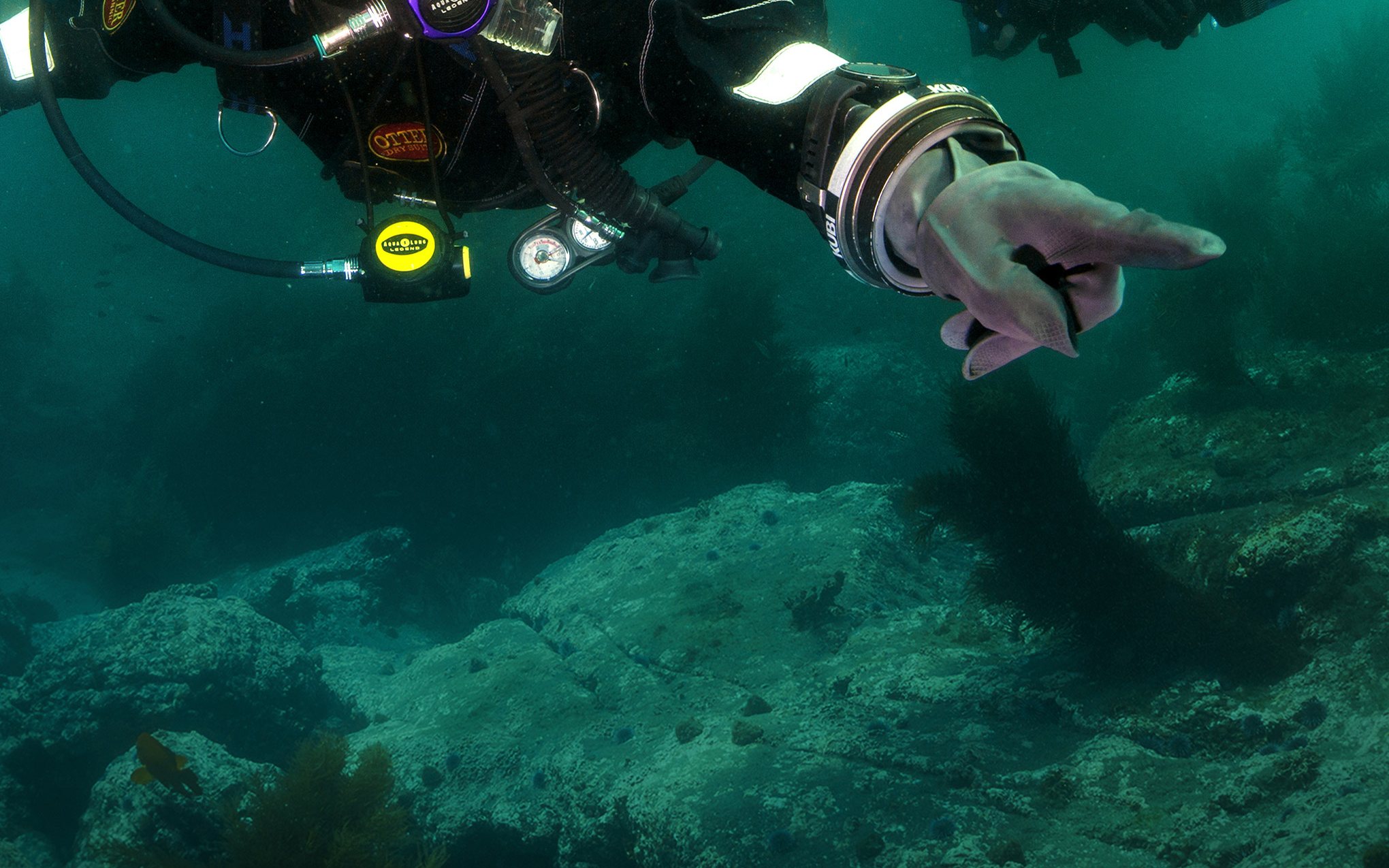
Theory
The theory part explains the mechanics behind everything you do in the water:
- construction and types of dry suits: neoprene, trilaminate, their advantages and drawbacks;
- how changes in depth affect gas volume and buoyancy;
- principles of gas management in the suit and the role of the exhaust valve;
- choosing an undergarment for the water temperature and planned dive time;
- weighting with a dry suit, and why it is different;
- typical problems: gas migration, uncontrolled ascent, a stuck valve;
- maintenance, storage and basic repairs.
Practice
A minimum of two open water dives, preceded by a confined water session:
- putting on the suit and checking it for leaks;
- weighting that accounts for the undergarment;
- working the inflation and exhaust valves during descent and ascent;
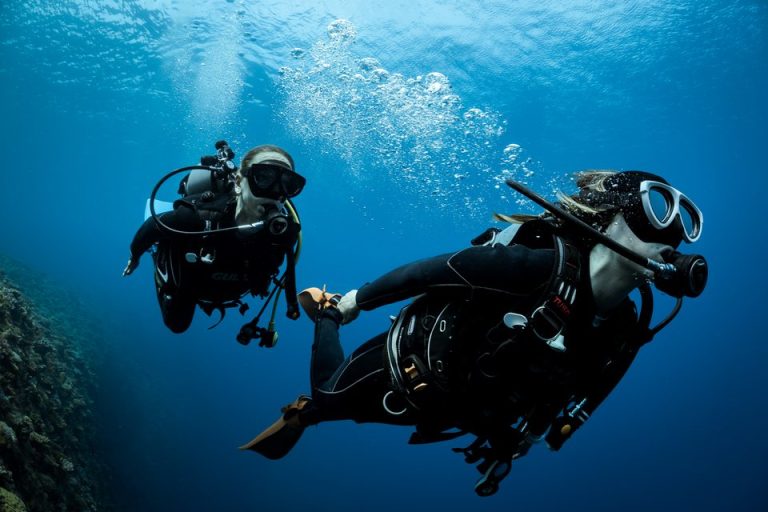
- holding a stable, horizontal trim;
- correcting gas migration to the legs, the most important exercise of the course;
- controlled ascent and stopping at the safety stop;
- handling a valve failure and disconnecting the inflation hose.
The biggest difficulty is not the equipment but learning to manage two gas spaces at once. That is why we make the first descent in shallow water and without rushing.

FAQ

The next step on your path
Directions in which the dry suit becomes the foundation:
- improving buoyancy (Peak Performance Buoyancy), a natural complement;
- specialties that use cool waters: deep, wreck and night diving;
- PADI Tec Basics, because at technical level a dry suit is practically standard;
- ice diving, if that environment interests you.
If you are thinking about technical diving, mastering the dry suit beforehand is a big advantage. On a technical course your attention then goes into procedures, not into fighting your trim.
Trips
A dry suit opens up destinations that used to be out of reach:
- lakes and flooded quarries all year round;
- the Baltic and northern waters, where the temperature rules out a wetsuit;
- trips outside the season, with fewer divers at the sites;
- longer dives that do not have to be cut short because of getting cold;
- ice diving and diving in extreme conditions.
It is worth taking spare seals and a repair kit. A suit failure can end a trip on the first day. We keep the trip calendar separately.