


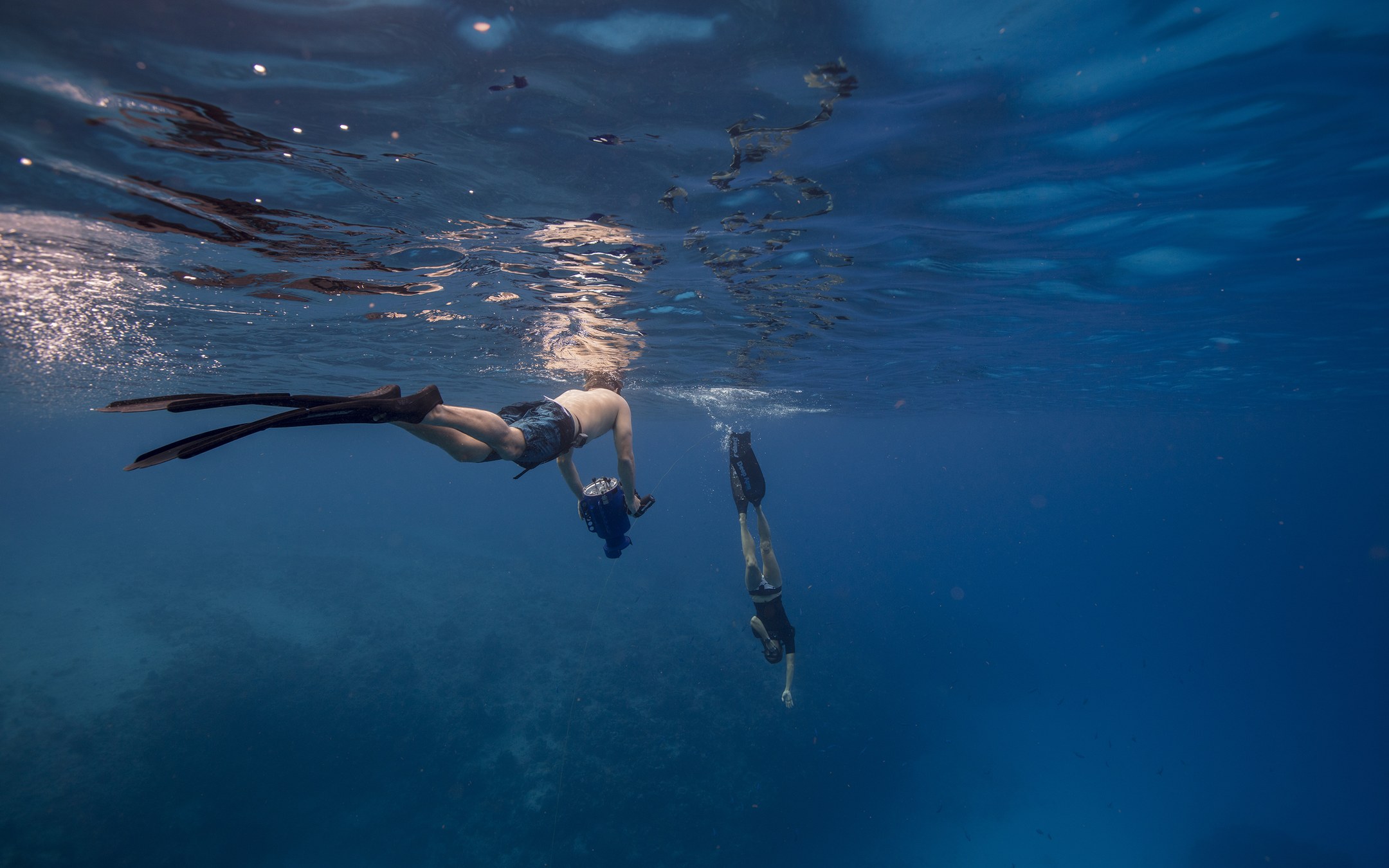
First certification, first level of calm.
PADI Basic Freediver: the first step in freediving

Course description
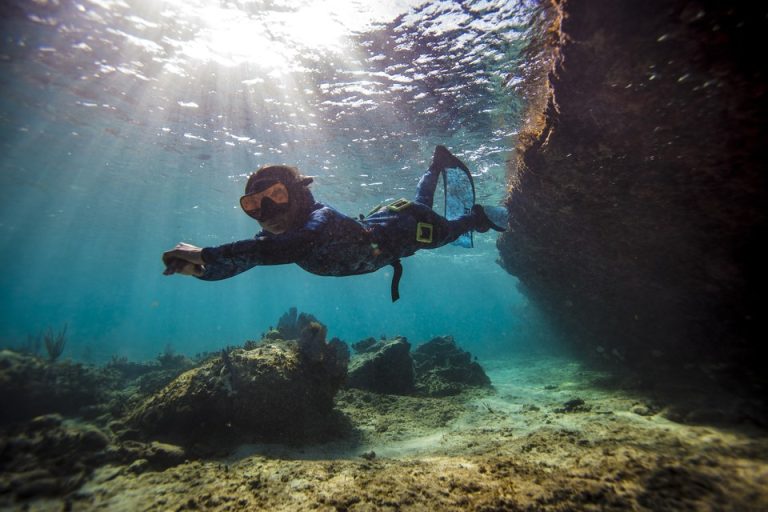
The PADI Basic Freediver course is the first certified level of freediving. It teaches diving on a single breath in confined water and shallow open water, to about 10 metres, with an emphasis on relaxation, technique and buddy safety.
On the course you will learn the physiology of breath-hold and how the body reacts to immersion. You will learn to prepare for a dive, equalise ear pressure and descend vertically from the surface. We also practise swimming in long fins, breath control and what to do when something goes wrong.
We teach in a small group. The confined water part takes place in the DeepSpot pool in Mszczonów, and the open water part at a site agreed with the PADI Freediver instructor. In both cases we dive as a buddy pair and always with safety cover.
It is a course for people who want to dive without a cylinder, for scuba divers looking for new skills, and for anyone who started with a PADI Discover Freediving session. The next step is PADI Freediver, to 16 metres.

Usually 2 training days: a theory part (e-learning or classroom), a confined water session and an open water session. We fit the dates to the group.
Confined water sessions (DeepSpot pool) and dives in shallow open water, to about 10 metres. A Discover Freediving session can be credited (to be confirmed with the instructor).
To about 10 metres in open water. We increase depth gradually, only as far as comfort and mastered technique allow.
A small group, usually up to 4 students per instructor. In breath-hold diving the instructor’s attention is critical, so we do not run large groups.
Not applicable. Freediving is diving on a single breath, without a cylinder.
Skills after the course:
- relaxation and breathing preparation before the dive,
- a vertical dive from the surface (duck dive) and a calm ascent,
- equalising ear pressure during the descent,
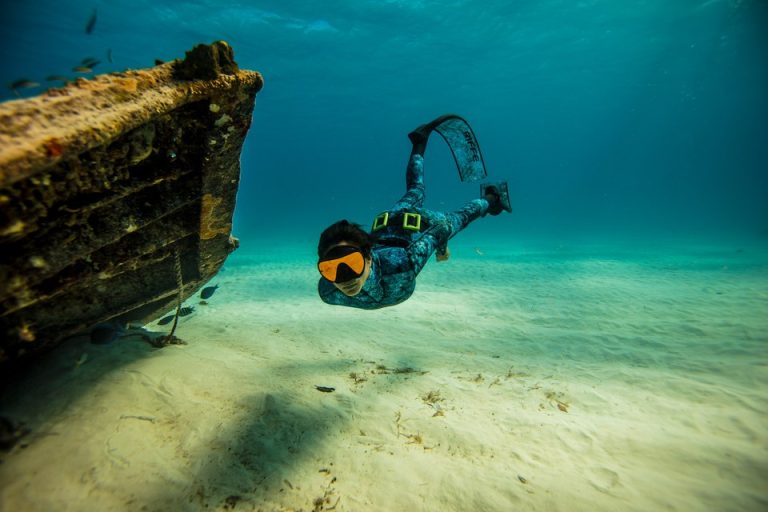
- swimming in long freediving fins,
- diving with a buddy and watching your buddy at the surface,
- basic emergency procedures and helping a buddy at the surface,
- planning your own dive to about 10 m within your limits.
- minimum age: 10 years; minors need a guardian’s consent,
- the ability to swim freely and feel comfortable in the water,
- good health confirmed by a medical questionnaire; a doctor’s certificate if in doubt,
- no diving certification or previous freediving experience is required.
Specialist equipment
- low-volume freediving mask,
- snorkel,
- long freediving fins,
- a wetsuit suited to the water temperature,
- weight belt with weights.
Standard kit
- swimsuit and towel,
- a freediving computer or a watch with depth measurement (recommended).
Any missing equipment can be rented at Long Deco. Before buying your own, wait for the first sessions and a consultation with the instructor, because the choice of mask, fins and wetsuit depends heavily on your swimming style.
Training fee
Price set individually.
Registration and certification fee
According to the current PADI price list.
Additional costs
Equipment rental, entry to sites (DeepSpot pool), possible travel and accommodation.
Theory
- breath-hold physiology: the dive reflex, sensing the urge to breathe, the risk of losing consciousness,
- relaxation and breathing preparation,
- equalising pressure and the effect of depth on the body,
- freediving equipment and choosing weights,
- buddy diving rules and emergency procedures,
- planning the dive and resting between dives.
Practice
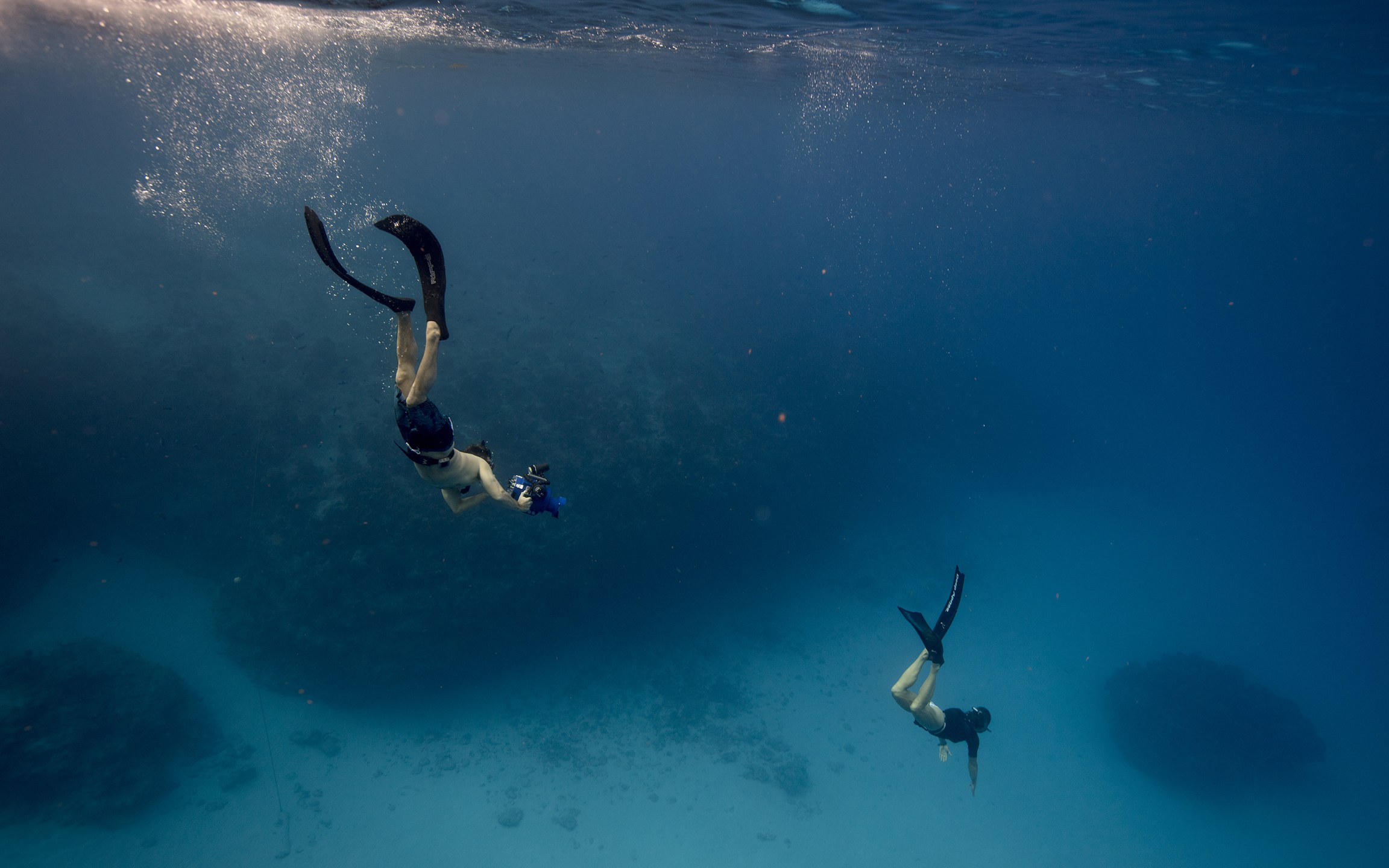
We run the course step by step: from relaxation in confined water to the first descents in open water.
Confined water: technique and breathing
- breathing preparation and relaxation,
- swimming in long fins and body position in the water,
- diving from the surface and equalising pressure,
- buddy exercises: watching your buddy.
Confined water: safety
- emergency procedures at the surface,
- helping a buddy after a breath-hold,
- breath control after surfacing.
Open water: first descents
- dive planning and briefing,
- descents along a line to about 10 metres,
- working as a buddy pair and resting between dives,
- a debrief of the dive and conclusions.
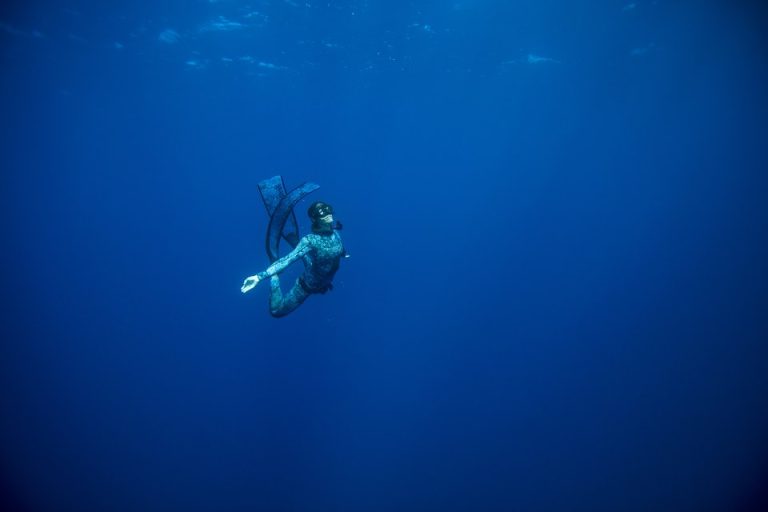
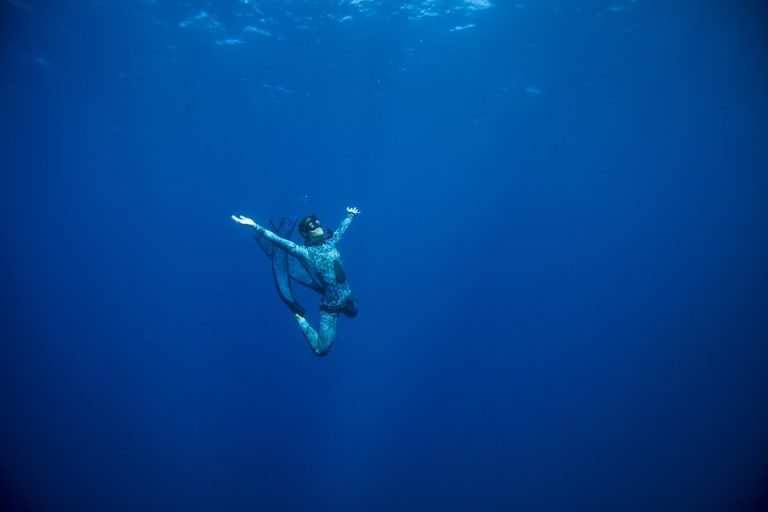
In freediving the winner is not the one who goes deeper, but the one who comes back calm and in control. We end every dive by assessing how you feel.

FAQ

The next step on your path
- PADI Freediver: diving to 16 m and freediving rescue,
- PADI Open Water Diver: if you want to combine freediving with diving with a cylinder,
- PADI Discover Freediving: for people around you who want to try it first.
Basic Freediver is the foundation. The next stage, PADI Freediver, starts where this course ends.
Trips
- DeepSpot Mszczonów: regular training in warm, deep water,
- Egypt (Dahab and the Red Sea): deep water close to the shore,
- Croatia and Malta: good conditions for first descents in open water.
On trips we dive within the same limits your certification gives you: to about 10 m, with a buddy and in control.