


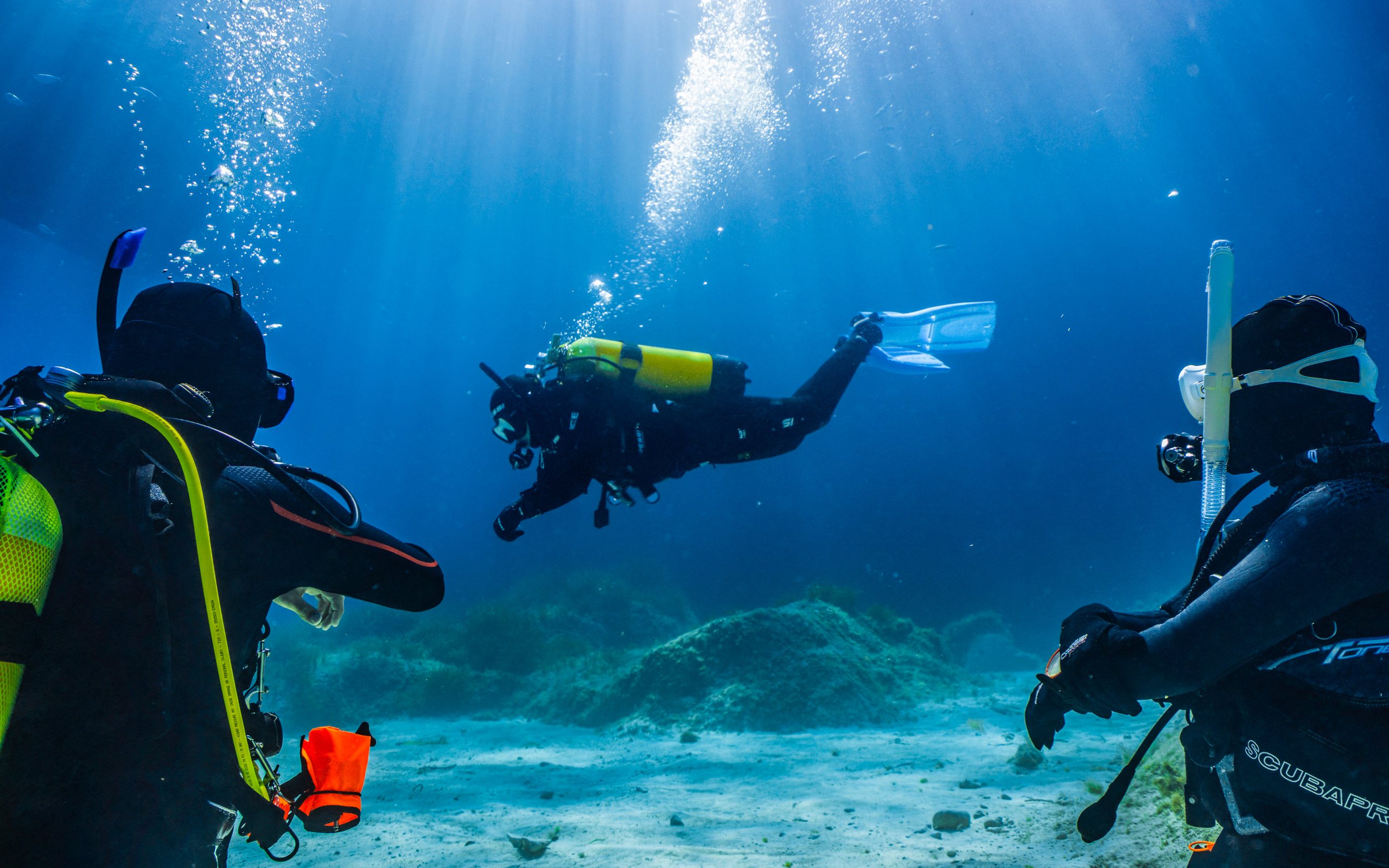
Diving technique workshop after the OWD course
LevelUP! Open Water Diver

Course description
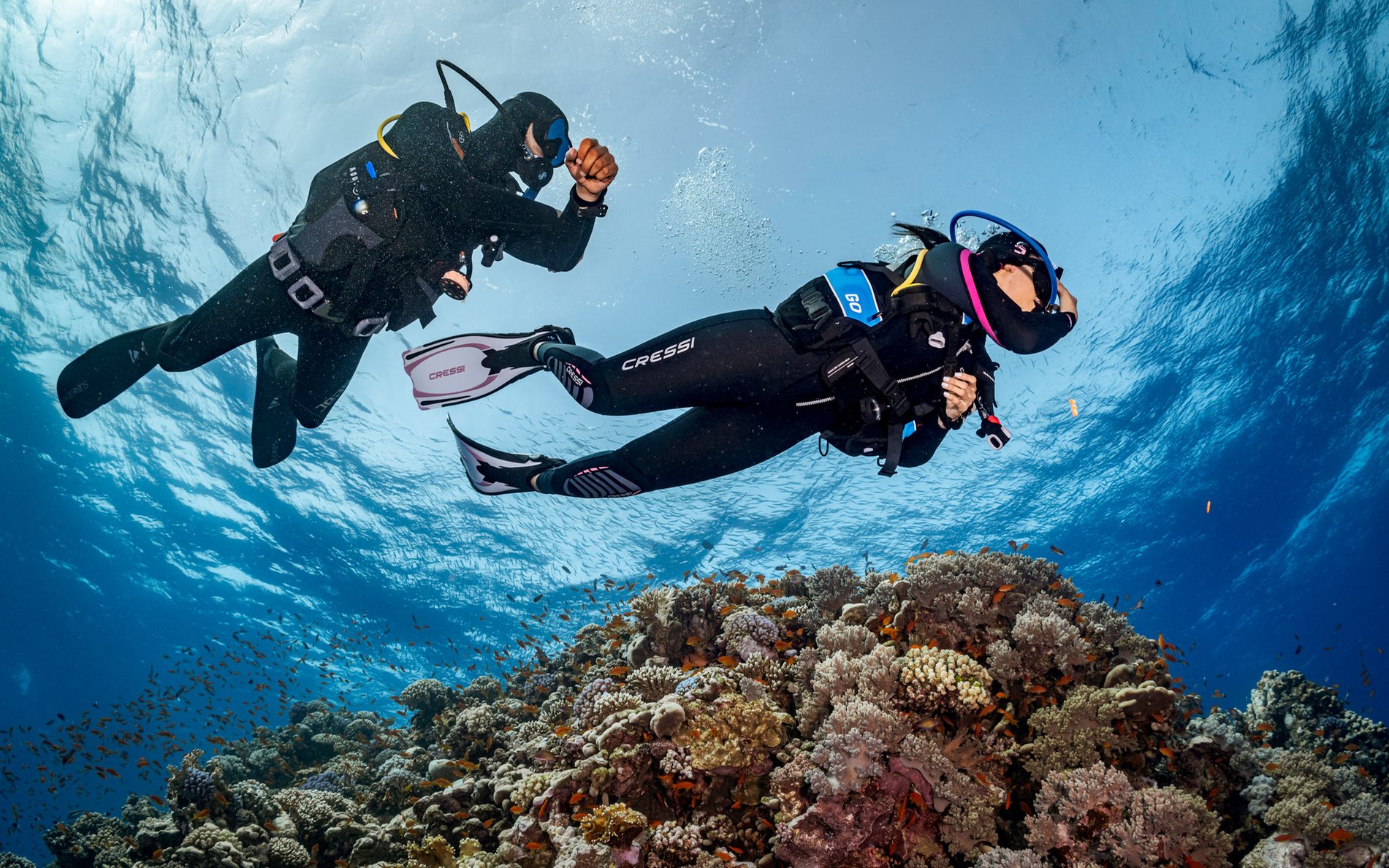
LevelUP! Open Water Diver is a one day workshop for divers after the Open Water course who still correct their position with their hands or kick with their fins to hold depth. We work on position, buoyancy control and propulsion techniques. We record every session, and after you get out of the water you watch the footage with your instructor and choose the corrections for the next dive together.
Most of the time goes into position and weighting. We adjust the harness, wing or BCD and weight distribution to your build, then check it in the water, down to 9 m, with no required decompression.
The best time to come is right after your OWD course, before random habits set in. You can also come before your first dive trip or after a longer break from diving.

1 day.
3 parts: position, buoyancy control and breathing, propulsion techniques. Each part has a short presentation, a drill on the mat, a water session and video analysis.
3 water sessions of about 60 minutes each. Session 1 to 6 m, sessions 2 and 3 to 9 m.
Maximum 2 people per instructor. A private 1:1 option is possible.
Air. Nitrox 32 by arrangement and with the right certification.
- Recordings of every session,
- Equipment configuration set up for you,
- Hovering in horizontal trim within 1 m of a set depth,
- A list of 2 to 4 priorities for your next dives.
- Minimum age 15.
- PADI Open Water Diver or an equivalent certification from another organisation.
- Enough comfort underwater to focus on the drills. We do not require a set number of dives.
- A current medical statement.
Main configuration
Single cylinder, wing or BCD with harness, weights, regulator with an alternate second stage, SPG and inflator.
Instruments and safety equipment
Dive computer, and a buoy with spool if you have one.
Thermal protection
Wetsuit or drysuit suited to several hours in the water.
Also recommended
The fins you usually dive in, and wet notes. We provide trim pockets, small weights from 0.5 to 1 kg and a line with markers on site.
Training fee
Set individually, according to the current Long Deco price list.
Registration and certification fee
None. LevelUP! is a Long Deco workshop and does not end with a PADI card or a card from any other agency.
Training materials
Presentations and session recordings are included in the workshop price.
Additional costs
Venue entry, fills and equipment rental if needed. We confirm the full amount before you sign up.
Theory
- Three parts of diving technique: position, buoyancy control and propulsion.
- Six points of good position: hands, head, core muscles, hips, knees and feet.
- How the wing or BCD, harness and weight system are built and how they affect trim.
- Weighting: how much the gas in your cylinder weighs and why we check it with a full and an empty cylinder.
- The regulator: breathing resistance, the venturi lever and how they affect your breathing.
- The mechanics of the flutter kick, frog kick, back kick and helicopter turn.
Practice
- Position on a flat bottom and hovering, down to 6 m.
- Dumping gas with the inflator and the dump valve, finding neutral buoyancy with your breath.
- Trimming: deliberate front and back overweighting, then position without corrections.
- Buoyancy window on a line with markers, down to 9 m.
- Hovering during simple tasks: reading the SPG, wet notes, taking the buoy out of a pocket.
- Flutter kick, frog kick, back kick and helicopter turn, first demonstrated by the instructor, then practised on camera.
- Depth changes following the pattern 6, 3, 6, 9 and 6 m with a one minute hover at each stop.
We assess progress on the recordings: what counts is a position you repeat every time. If your position stops being stable, we go back to the previous drill. Nobody masters the back kick and helicopter turn in one day.

FAQ
Projects
- Training dives with a Long Deco instructor,
- Video sessions on your next dives,
- A LevelUP! refresher after a dozen or so dives.
Note: the fastest progress comes when you work on one or two corrections at a time.
Trips
- Trips to lakes and quarries in Poland,
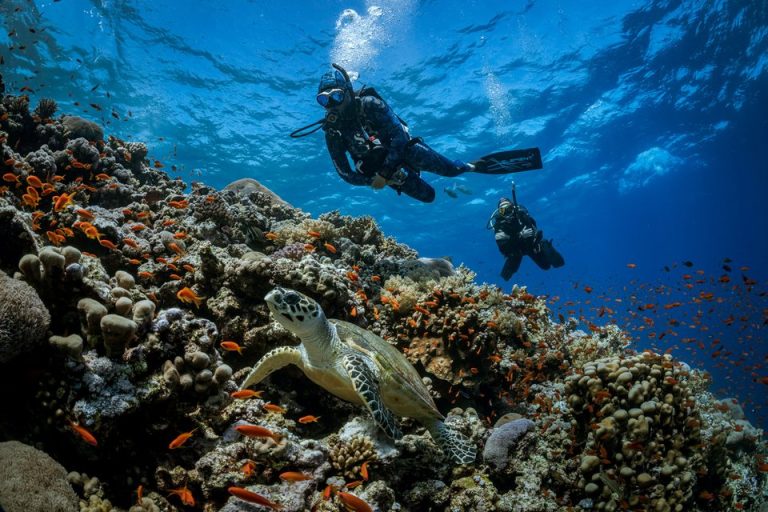
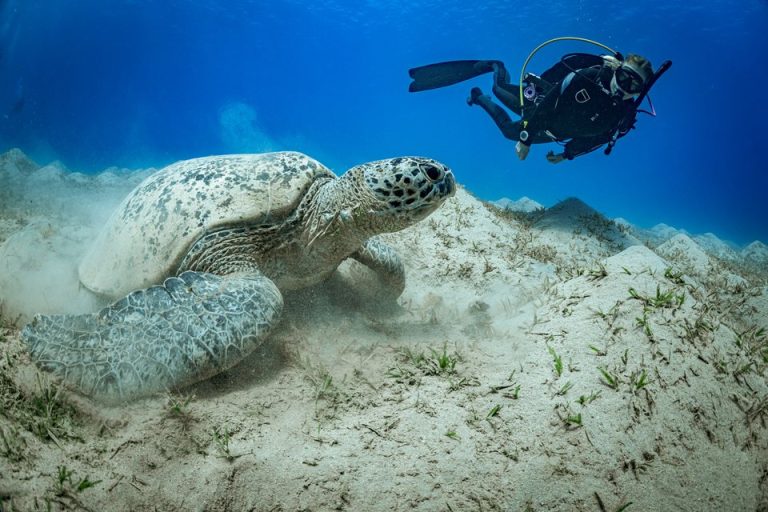
- Trips to warm seas.
Note: we publish current dates separately.
Further training
- PADI Advanced Open Water Diver,
- PADI Peak Performance Buoyancy,
- LevelUP! Advanced Open Water Diver.
Note: we will choose the order to fit your travel plans.