


The road to the training staff
PADI IDC Staff Instructor: more than just an instructor

Course description
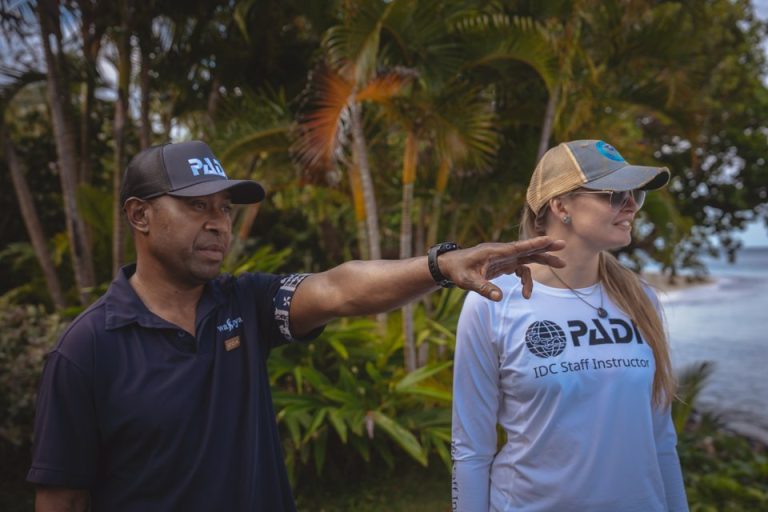
PADI IDC Staff Instructor is the highest professional level before Course Director, and the point at which an instructor moves from teaching divers to mentoring future instructors. It is a change of perspective comparable to the one when moving from Divemaster to Assistant Instructor, only one level higher.
The programme includes taking part in a full Instructor Development Course as a staff candidate, assessing candidates’ presentations and preparing to run the Assistant Instructor course independently. We put strong emphasis on understanding the PADI educational system from the inside, refining methodology, and developing the skill of assessing and building an instructor’s attitude.
The programme is performance-based: what counts is the real level of competence, not attendance. The candidate must show a very good knowledge of dive theory, ease with PADI standards and procedures, the ability to run and assess presentations, and the attitude of a mentor.
An IDC Staff Instructor learns not only to assess, but above all to support candidates’ development in a conscious and organised way. The difference between “that was bad” and “fix this and this, in this order” is the heart of this training.

Depends on the IDC schedule, usually 6-8 days. The course is run together with a full IDC or in a simulated format that covers all elements of the Assistant Instructor course.
Taking part in a full IDC as a staff candidate: analysing theory presentations, assessing workshops in confined and open water, learning the structure of the IDC programme and doing mentoring work with candidates.
A mentoring programme focused on assessing presentations, interpreting standards, running the Assistant Instructor course and working with a candidate who needs support.
Depends on the structure of the IDC: staff candidates work alongside instructor candidates.
The course is run under the supervision of an active PADI Course Director, and its structure matches the real course of an IDC programme.
An IDC Staff Instructor is a model of professionalism for candidates, supports their development, represents PADI standards and has a real influence on the quality of future instructors.
This is a different kind of responsibility from earlier levels. An instructor’s mistake affects their own students; a mistake by the staff who train instructors spreads further, to every student those instructors will teach later.
- Status: PADI Instructor in teaching status in the current year;
- Level: PADI Master Scuba Diver Trainer;
- First aid: current Emergency First Response Instructor qualification;
- Commitment: a commitment to run programmes in line with PADI standards and acceptance of full implementation of the PADI educational system;
- Current documents: a current medical statement and professional insurance.
Formally, MSDT is enough, but in practice experience counts. This level is for instructors who actively teach: the more courses and specialties you have taught, the easier the programme is. Candidates fresh out of the IE are usually not ready for it.
Training fee
The price is set individually, depending on the structure of the IDC and the location.
Registration and certification fee
PADI application fees, according to the current price list of the certifying organisation.
Additional costs
Logistics, accommodation for the duration of the IDC, gases, travel and teaching materials.

Scope of competence after the course
After earning the PADI IDC Staff Instructor rating you can:
- run the PADI Assistant Instructor course independently,
- assist with full IDC programmes and run selected parts of the programme,
- assess candidates’ theory and water presentations,
- prepare candidates for the Instructor Examination,
- work actively with the Course Director as part of the training team.
Running the Assistant Instructor course independently is the key difference between MSDT and IDC Staff: this is where real work with instructor candidates begins. The status is kept through active PADI membership and working to standards.
Theory
The theory part focuses on the instructor training system, seen from the side of the person running it:
- detailed analysis of the structure and logic of IDC workshops;
- standards, procedures and the instructor training curriculum: interpretation, not learning them by heart;
- the system for assessing theory and water presentations, including the scoring criteria;
- the psychology of assessment and giving feedback;
- managing the quality of training within the centre;
- the role of the mentor in a candidate’s development, and the limits of that role.
Practice
The practical part takes place in a real instructor training environment:
- observing and assessing candidates’ theory presentations;
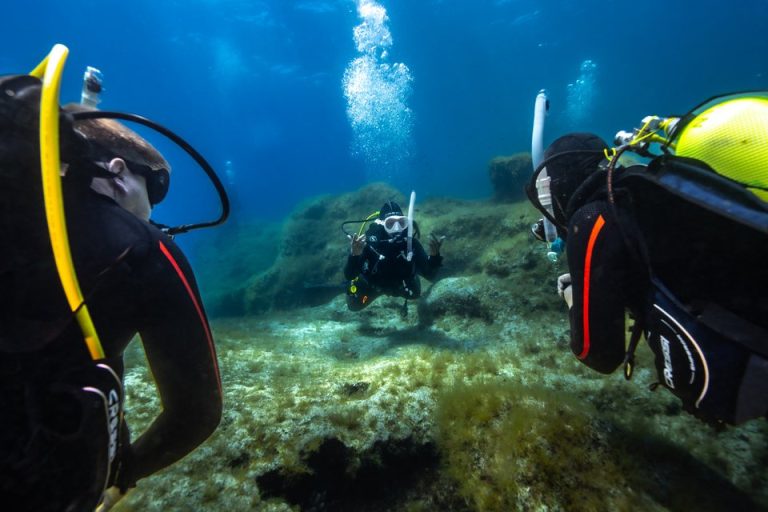
- assessing workshops in confined and open water;
- giving feedback in a specific, organised way;
- working with a candidate who needs extra support, the hardest part of the programme;
- running parts of the Assistant Instructor course;
- working with the Course Director as part of the training team.
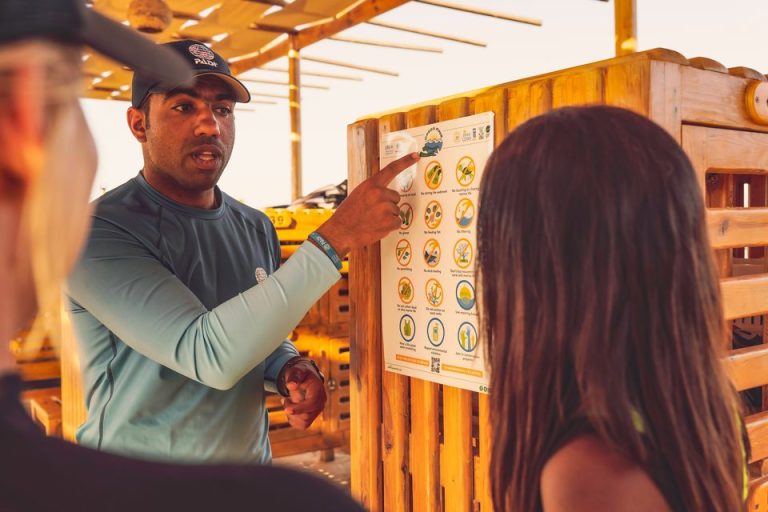
Assessing presentations is a skill in its own right. Recognising exactly what went wrong and in what order to fix it takes a different perspective from simply teaching a class, and that is what this course teaches.

FAQ
Further training
The PADI career path after earning the IDC Staff Instructor rating:
- PADI Master Instructor: a rating awarded for long-term work, requiring, among other things, 150 certifications, 2 years of instructor status and IDC Staff status;
- PADI Course Director: the highest level, reached through competitive selection for the Course Director Training Course;
- PADI Tec Instructor and higher TecRec levels, if you are developing technically at the same time;
- EFR Instructor Trainer: training first aid instructors.
Master Instructor is not a course. It is a rating awarded for documented, long-term teaching work, and it is a formal step before applying to the CDTC.
Trips
At this level, travel usually means working on a programme, not taking part in it:
- working on IDC programmes held in other locations;
- taking part in instructor development programmes within the Career Development Center structures;
- international training projects and workshops that refine methodology;
- seasonal work at instructor training resorts;
- mentoring projects and exchanging experience with staff from other centres.
International experience matters at this level, both when applying to the CDTC and when building your professional standing. We keep the trip calendar separately.
Professional practice
Work in which mentoring skills turn into experience:
- working on IDC programmes run at Long Deco;
- running PADI Assistant Instructor courses independently;
- preparing candidates for the Instructor Examination;
- mentoring newer instructors in their first season after the IE;
- helping to shape the centre’s internal programmes and standards.
The number of IDC programmes you have worked on is one of the things considered when applying to the Course Director Training Course. It is worth collecting them deliberately, not by chance.