


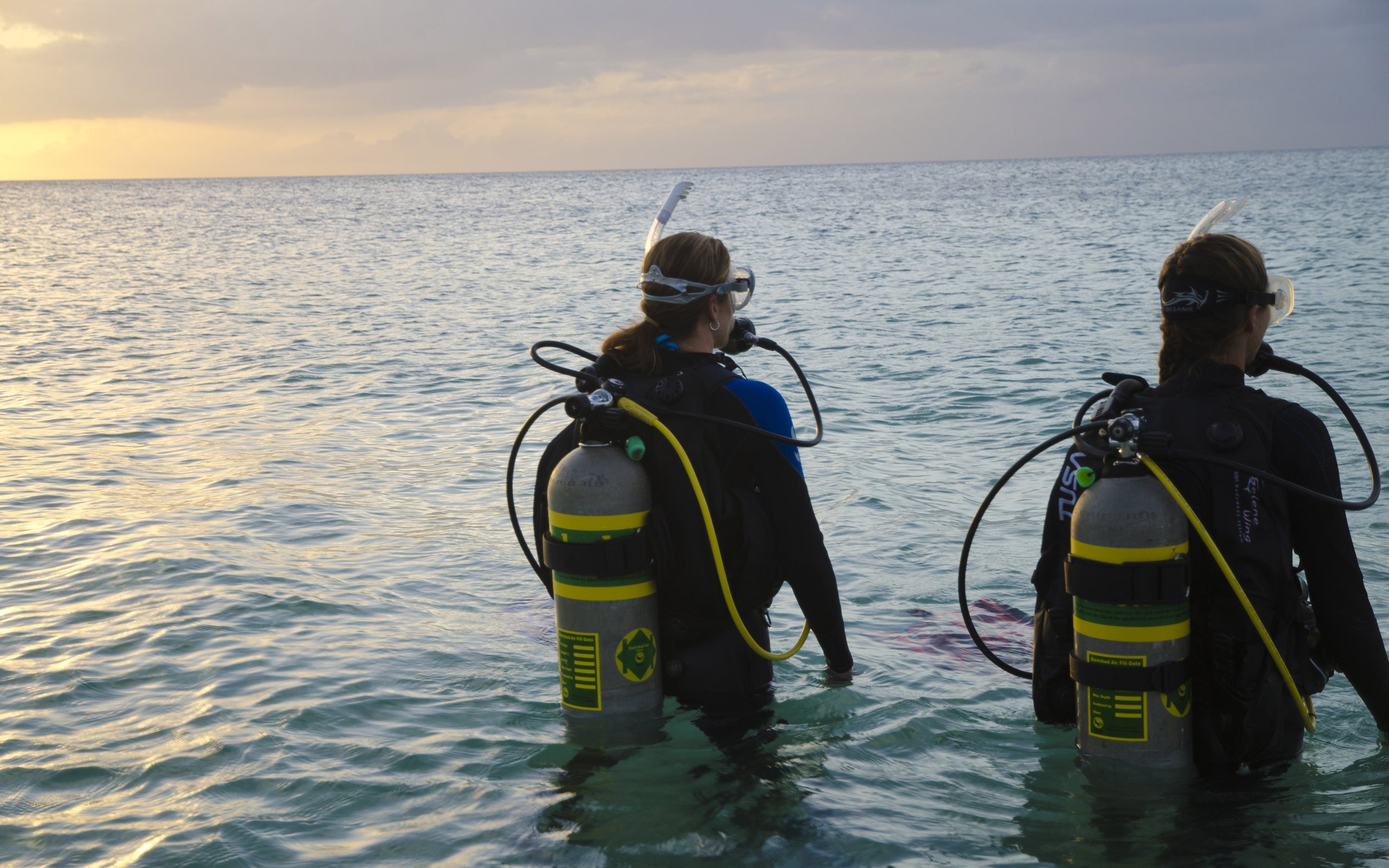
Informed diving with nitrox
PADI Enriched Air (Nitrox) Diver: informed gas management

Course description
The PADI Enriched Air (Nitrox) Diver course introduces you to the informed use of mixes with a higher oxygen content, which reduce the amount of nitrogen absorbed during a dive. This changes how you plan your profile, usually in favour of a longer time underwater or a larger safety margin.
The programme focuses on understanding how gas composition affects no-decompression time, safety and the repeatability of dives. You learn to analyse mixes, calculate the maximum operating depth, control oxygen exposure and set your dive computer.
It is one of the few specialties that does not require any dives and that can be completed in one day or largely remotely. At the same time, its effect is visible immediately, on your first trip, where you do several dives a day.
The aim of the course is to introduce a tool that increases your safety margin and lets you dive in a more orderly way. Nitrox is not a “better” gas. It is a gas you have to choose knowingly to suit the profile.

From a few hours to one training day. A hybrid format is possible: e-learning at home plus a practical workshop with gas analysis.
No required dives. Optionally you can do dives using nitrox to practise the procedures in the water.
Classes are held in small groups; on this course the quality of work with the material matters more than the number of participants.
Nitrox with an oxygen content of up to 40%. The most commonly used mixes are EANx32 and EANx36.
After completing the course you can:
- analyse a mix yourself with an oxygen analyser and interpret the result,
- calculate the maximum operating depth (MOD) for a given mix,
- mark a cylinder correctly and complete the documentation,
- set your dive computer to match the actual gas composition,
- plan a dive taking no-decompression time and oxygen exposure into account,
- decide knowingly when nitrox makes sense and when it brings no benefit.
- Age: minimum 12 years;
- Certification: PADI Open Water Diver or an equivalent certification from another organisation;
- Health: no contraindications to diving;
- Experience: no requirements, as the course is available right after the entry-level course.
The course does not need extensive equipment, because its main emphasis is on gas analysis and dive planning.
Typical equipment includes:
- an oxygen analyser
- a cylinder with a nitrox mix (EANx)
- a dive computer with nitrox settings
- a standard diving kit (if dives are done)
What matters is understanding how the equipment works and its role in the safe use of breathing mixes.
Training fee
The price is set individually, depending on the format of the classes and where they take place.
Registration and certification fee
Training materials and the certification fee, according to the current price list of the certifying organisation.
Additional costs
Filling the cylinder with a nitrox mix and, for optional dives, dive logistics and equipment rental.
Theory
The core of the course. The material is logical and well organised, and every element has a direct application:
- differences between air and nitrox and their effect on the body;
- how gas composition affects no-decompression time and repetitive dives;
- oxygen toxicity, both central nervous system and pulmonary, and ways to control exposure;
- calculating the maximum operating depth (MOD);
- procedures for gas analysis, cylinder marking and documentation;
- dive computer settings and the consequences of entering the gas mix incorrectly.
Practice
Working with gas and pre-dive procedures:
- using an oxygen analyser, calibration and reading the result;
- analysing your own cylinder and interpreting the result;
- marking cylinders according to current practice;
- setting up the dive computer for a given mix;
- planning a dive with MOD and oxygen exposure in mind;
- optionally: dives using nitrox.
The aim is to build a habit: every cylinder analysed personally, before every dive. It is one of the few procedures in recreational diving where there is no room for trusting someone else.

FAQ

The next step on your path
Directions in which nitrox becomes part of a bigger picture:
- PADI Advanced Open Water Diver: nitrox can count as one of the adventure dives;
- Deep Diver specialty: a natural pairing with nitrox;
- PADI Tec Basics and Tec 40: the first technical levels, where gas management becomes critical;
- PADI Tec Gas Blender: preparing your own mixes.
Nitrox is a prerequisite for the first technical level. If you are thinking about that path, this is a course you have to take anyway, so it is worth doing early.
Trips
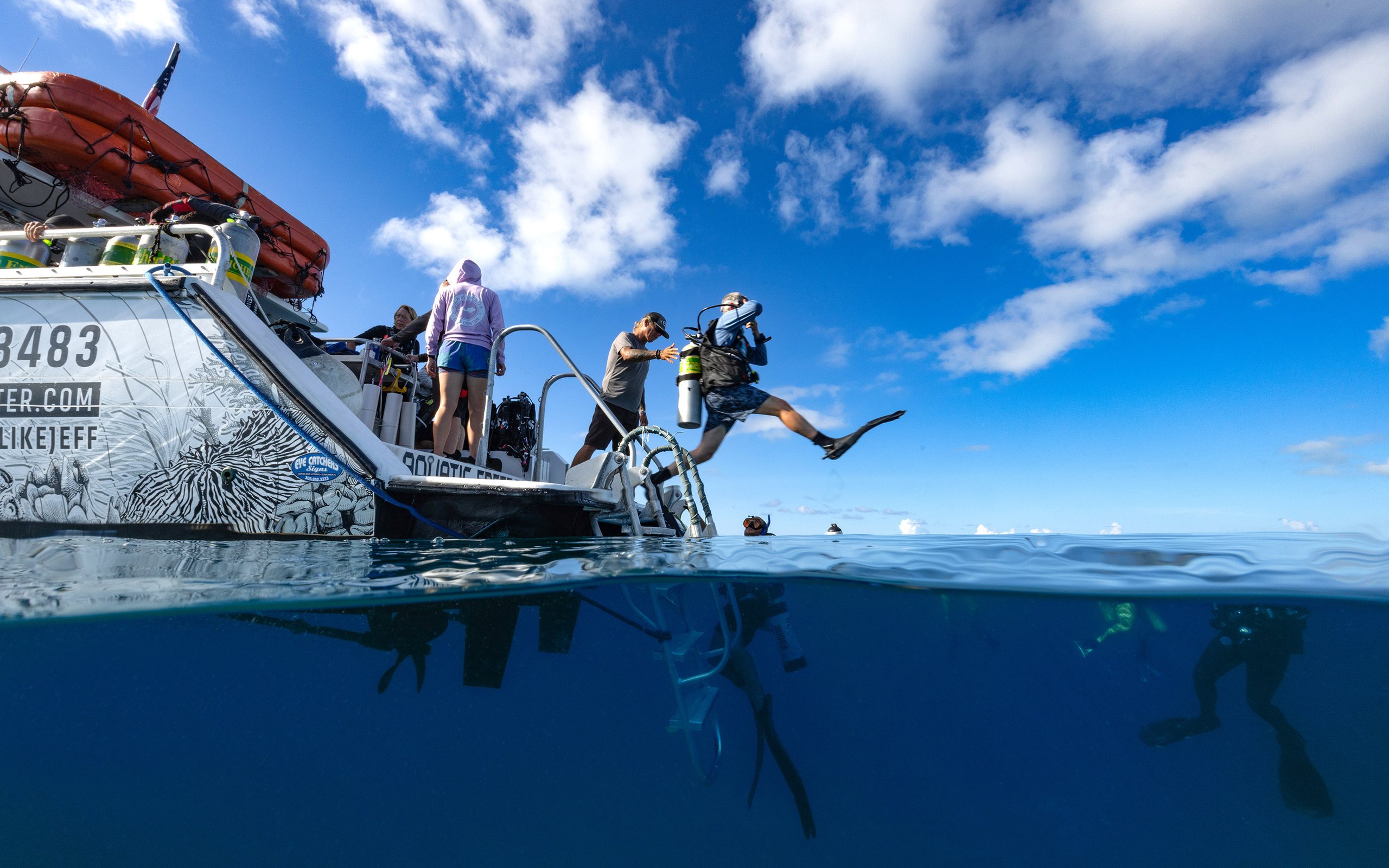
On trips, nitrox shows its real value:
- three to four dives a day with noticeably longer no-decompression times;
- less fatigue over a series of dives on consecutive days;
- a larger safety margin on repetitive dives;
- Nitrox available at most dive centres around the world;
- analysing the gas yourself, whatever the local centre’s practice.
It is worth taking your own analyser if you dive at less familiar centres. We keep the trip calendar separately.